


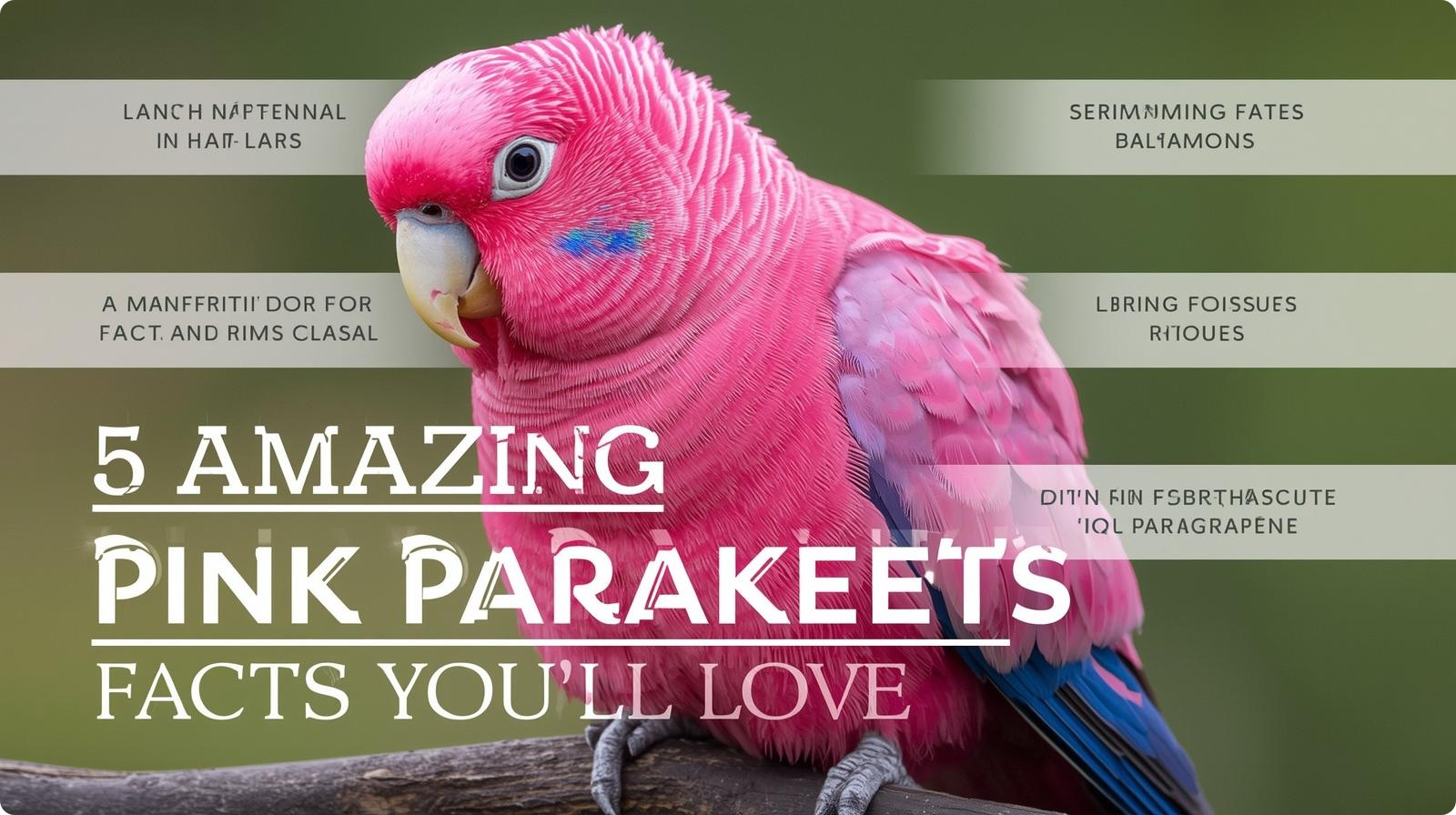
If you’re a bird lover searching for something truly special, you’re in for a treat. These 5 Amazing Pink Parakeet Facts You’ll Love will open your eyes to one of the most stunning and captivating birds in the avian world. The pink parakeet has been stealing hearts around the globe with its gorgeous rosy feathers, charming personality, and fascinating behavior. Whether you’re a seasoned bird enthusiast or a curious beginner, this article will walk you through everything you need to know about this extraordinary bird.
From their unique coloring to their surprising intelligence, the pink parakeet is far more than just a pretty face. So, sit back, relax, and let’s dive into the wonderful world of these beautiful feathered companions.
What Exactly Is a Pink Parakeet?
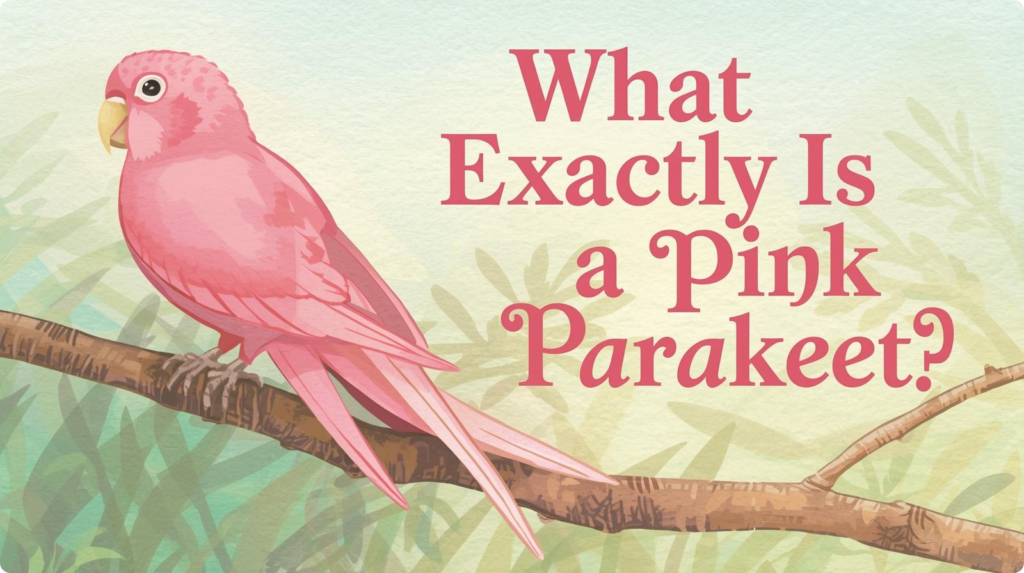
Before we jump into our amazing facts, let’s first understand what a pink parakeet actually is. The term “pink parakeet” can refer to several species and mutations of parakeets that display varying shades of pink in their plumage. The most well-known among them include:
- Bourke’s Parakeet (Neopsephotus bourkii): This is the most recognized naturally pink-colored parakeet species. Native to Australia, Bourke’s parakeets display a beautiful blend of soft pink, blue, and brown feathers.
- Rosy Bourke’s Parakeet: A color mutation of the Bourke’s parakeet that displays an even more vibrant and intense pink coloring throughout its body.
- Pink mutation budgerigars: Some budgerigar (common parakeet) mutations can also exhibit pinkish hues, though these are relatively rare.
The pink parakeet is beloved by bird keepers for its gentle temperament, quiet nature, and absolutely breathtaking appearance. Unlike many other parakeet species that can be loud and demanding, pink parakeets tend to be calm, making them ideal companions for apartments and quieter households.
Pink Parakeets Have a Naturally Unique Coloring
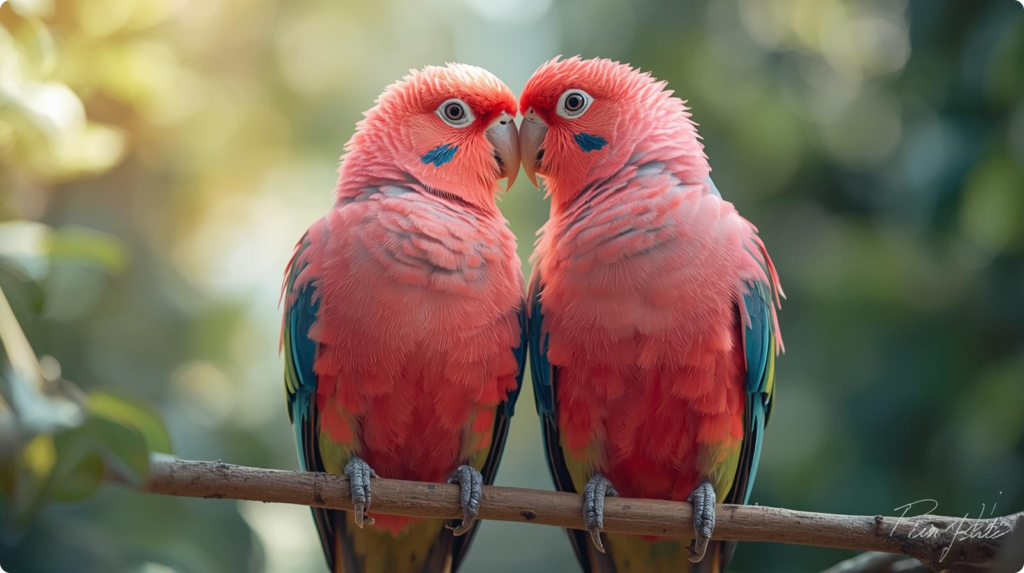
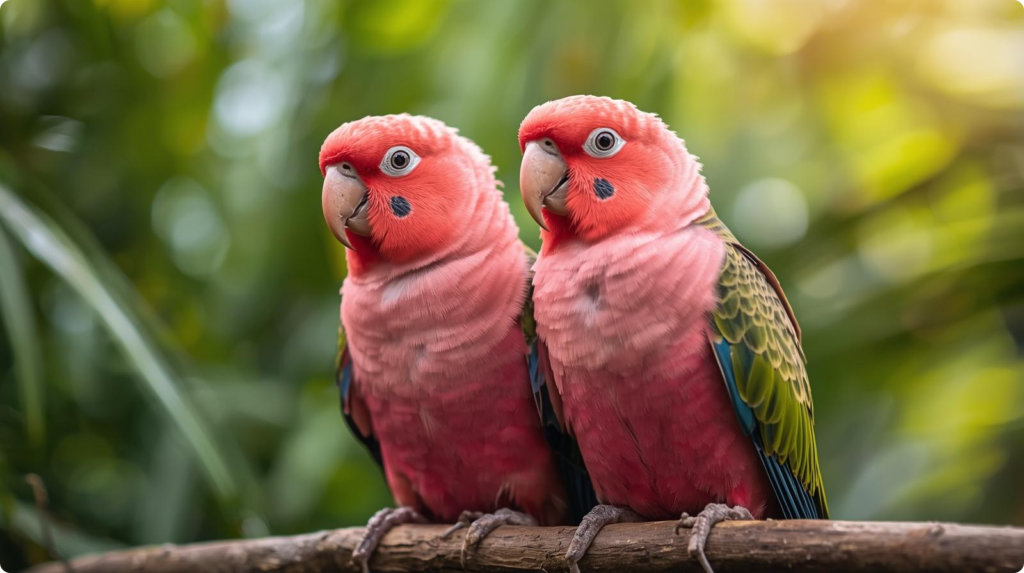
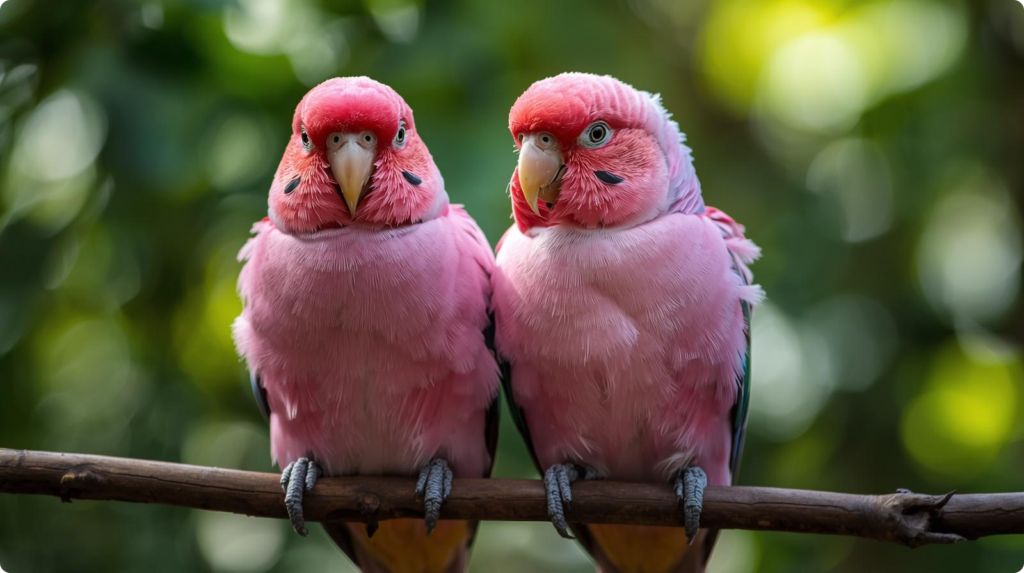
One of the most jaw-dropping things about the pink parakeet is its coloring. While most people associate parakeets with green, blue, or yellow feathers, the pink variety stands out as a truly rare gem in the bird kingdom.
How Do They Get Their Pink Color?
The pink coloration in these parakeets comes from a combination of genetic factors:
- Psittacofulvins: These are pigments unique to parrots that contribute to the red, orange, and yellow hues in their feathers.
- Feather structure: The microscopic structure of the feather barbs interacts with light to produce the soft, rosy appearance.
- Selective breeding: In captivity, breeders have enhanced the pink coloring through careful selective breeding programs over many generations.
Shades of Pink You Can Find
Not all pink parakeets look the same. Here are the different shades you might encounter:
- Soft pastel pink — The most common shade seen in wild-type Bourke’s parakeets
- Vivid rosy pink — Found in the Rosy Bourke’s mutation
- Salmon pink — A warm, orangish-pink shade seen in some mutations
- Dusty pink — A muted, subtle pink often mixed with grey or brown tones
- Hot pink — Extremely rare and typically the result of advanced selective breeding
The diversity of pink shades makes each pink parakeet unique and truly one-of-a-kind. No two birds look exactly alike, which adds to their charm and appeal among collectors and pet owners.
Pink Parakeets Are Crepuscular Active at Dawn and Dusk

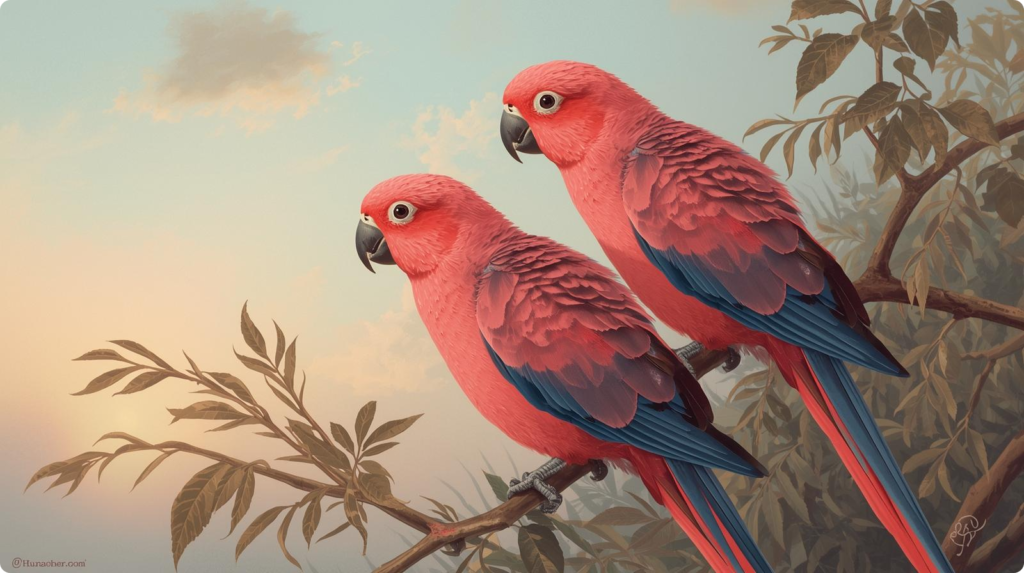
Here’s a fact that surprises most people: the pink parakeet, particularly the Bourke’s parakeet, is crepuscular. This means they are most active during the twilight hours at dawn and dusk rather than during the middle of the day.
What Does Crepuscular Mean for Pet Owners?
This unique behavioral trait has several important implications:
- They’re quieter during the day: Unlike other parakeet species that chirp and squawk throughout the day, pink parakeets tend to rest and stay calm during daylight hours.
- Evening entertainment: You’ll notice your bird becoming more lively, vocal, and playful as the sun begins to set.
- Morning songs: Many owners report that their pink parakeet sings beautiful, soft melodies at dawn, creating a peaceful and pleasant way to start the day.
- Better for working professionals: Since they’re calm during regular working hours, they’re perfect for people who are away during the day.
- Low disturbance: Their crepuscular nature means they’re less likely to disturb neighbors, making them apartment-friendly pets.
Why Are They Crepuscular?
In the wild, Bourke’s parakeets evolved in the arid, semi-desert regions of Australia. Being active during the cooler twilight hours helps them:
- Avoid extreme daytime heat
- Reduce water loss through evaporation
- Avoid daytime predators like hawks and falcons
- Forage more efficiently when competition is lower
This evolutionary adaptation is one of the reasons the pink parakeet has such a calm and gentle demeanor compared to other parakeet species.
They Are Incredibly Gentle and Social Birds
If you’ve ever been around a budgie or a sun conure, you know that parakeets can sometimes be nippy, loud, or demanding. The pink parakeet breaks that mold entirely. These birds are renowned for being among the gentlest and most easygoing parakeet species in existence.
Personality Traits That Make Them Special
Here are the key personality characteristics of a typical pink parakeet:
- Gentle disposition: They rarely bite and are known for their sweet, docile nature.
- Quiet vocalizations: Instead of loud screeches, they produce soft, melodic chirps and warbles.
- Affectionate: They enjoy being near their owners and will often perch on shoulders or hands willingly.
- Non-aggressive: They coexist peacefully with other bird species, making them excellent aviary companions.
- Curious but cautious: They’re interested in their surroundings but approach new things carefully rather than impulsively.
- Bonding ability: A pink parakeet can form deep, lasting bonds with its owner when given time and patience.
Social Behavior in Groups
Pink parakeets thrive when kept in pairs or small groups. In the wild, they live in flocks and rely on social bonds for safety and companionship. Here’s what you should know about their social behavior:
- They engage in mutual preening, which strengthens their bonds
- They communicate through soft calls and body language
- They rarely fight or show territorial aggression
- Mated pairs often sit close together and synchronize their activities
- They can become lonely and depressed if kept alone without adequate interaction
Are They Good for Families?
Absolutely! The gentle nature of the pink parakeet makes it an excellent choice for families with children. Their calm temperament reduces the risk of biting, and their quiet nature won’t overwhelm younger family members. However, children should always be supervised when handling any bird to ensure both the child’s and the bird’s safety.
Pink Parakeets Can Live Surprisingly Long Lives
Many people assume that small birds have short lifespans. When it comes to the pink parakeet, this assumption couldn’t be more wrong. With proper care, nutrition, and a healthy environment, these beautiful birds can live for an impressively long time.
Average Lifespan
| Factor | Details |
|---|---|
| Average lifespan in captivity | 15–20 years |
| Maximum recorded lifespan | Up to 25 years |
| Average lifespan in the wild | 8–12 years |
| Lifespan with excellent care | 20+ years |
What Affects Their Lifespan?
Several factors play a crucial role in determining how long your pink parakeet will live:
- Diet quality: A balanced diet rich in seeds, pellets, fresh fruits, and vegetables is essential.
- Veterinary care: Regular check-ups with an avian veterinarian can catch health issues early.
- Mental stimulation: Toys, interaction, and environmental enrichment prevent boredom and stress.
- Clean environment: Regular cage cleaning prevents bacterial and fungal infections.
- Social interaction: Loneliness and isolation can shorten a bird’s lifespan significantly.
- Exercise: Allowing flight time outside the cage promotes cardiovascular health.
- Stress reduction: A calm, stable environment free from sudden loud noises and disturbances.
Common Health Issues to Watch For
To ensure your pink parakeet lives its longest, healthiest life, be aware of these common health concerns:
- Psittacosis: A bacterial infection that can affect both birds and humans
- Feather plucking: Often a sign of stress, boredom, or nutritional deficiency
- Respiratory infections: Caused by drafts, poor air quality, or fungal spores
- Obesity: Can result from a seed-heavy diet with insufficient exercise
- Vitamin A deficiency: Common in birds that don’t eat enough fresh vegetables
- Egg binding: A serious condition in female birds that requires immediate veterinary attention
They Are Easier to Care for Than Most Parakeet Species
Our final fact in this list of 5 Amazing Pink Parakeet Facts You’ll Love is perhaps the most practical one: pink parakeets are remarkably easy to care for compared to many other parrot and parakeet species.
Why Are They Considered Low-Maintenance?
Here are the reasons bird experts consider the pink parakeet a beginner-friendly bird:
- Quiet nature: They won’t disturb your household or neighbors with excessive noise.
- Modest space requirements: While they appreciate room to fly, they don’t require enormous enclosures.
- Simple dietary needs: They thrive on a straightforward diet of quality seed mix, pellets, and fresh produce.
- Gentle handling: They’re easier to tame and handle than more aggressive species.
- Low destructive tendency: Unlike larger parrots, they rarely chew on furniture or household items.
- Minimal grooming needs: Regular nail trims and occasional baths are usually sufficient.
Basic Care Requirements
If you’re considering bringing a pink parakeet into your home, here’s a quick overview of what you’ll need:
Housing:
- Cage size: Minimum 24″ x 24″ x 24″ (larger is always better)
- Bar spacing: No more than ½ inch
- Multiple perches of varying diameters
- Placement away from drafts and direct sunlight
Diet:
- High-quality seed mix designed for small parakeets
- Pellet supplement for balanced nutrition
- Fresh fruits: apples, berries, grapes, melon
- Fresh vegetables: spinach, carrots, broccoli, sweet potato
- Clean, fresh water changed daily
- Cuttlebone or mineral block for calcium
Enrichment:
- Variety of toys rotated regularly
- Swings and ladders
- Foraging opportunities
- Music or gentle sounds during twilight hours
- Out-of-cage flight time in a safe, bird-proofed room
Pink Parakeet vs. Other Popular Parakeet Species: A Comparison
To help you understand how the pink parakeet stacks up against other popular parakeet species, here’s a detailed comparison table:
| Feature | Pink Parakeet (Bourke’s) | Budgerigar | Cockatiel | Indian Ringneck |
|---|---|---|---|---|
| Average Size | 7–8 inches | 6–7 inches | 12–13 inches | 14–17 inches |
| Noise Level | Very Low | Moderate | Moderate | High |
| Lifespan | 15–20 years | 5–10 years | 15–25 years | 25–30 years |
| Temperament | Very Gentle | Active & Playful | Affectionate | Bold & Sassy |
| Talking Ability | Minimal | Moderate | Low | Excellent |
| Color Variety | Pink, Blue, Brown | Wide Variety | Grey, Yellow, White | Green, Blue, Yellow |
| Care Difficulty | Easy | Easy | Moderate | Moderate–Hard |
| Best For | Quiet homes, beginners | Families, beginners | Families | Experienced owners |
| Social Needs | Moderate | High | High | High |
| Activity Level | Low–Moderate | High | Moderate | High |
| Bite Tendency | Very Low | Low–Moderate | Low | Moderate–High |
| Price Range | $100–$300 | $15–$80 | $80–$250 | $200–$700 |
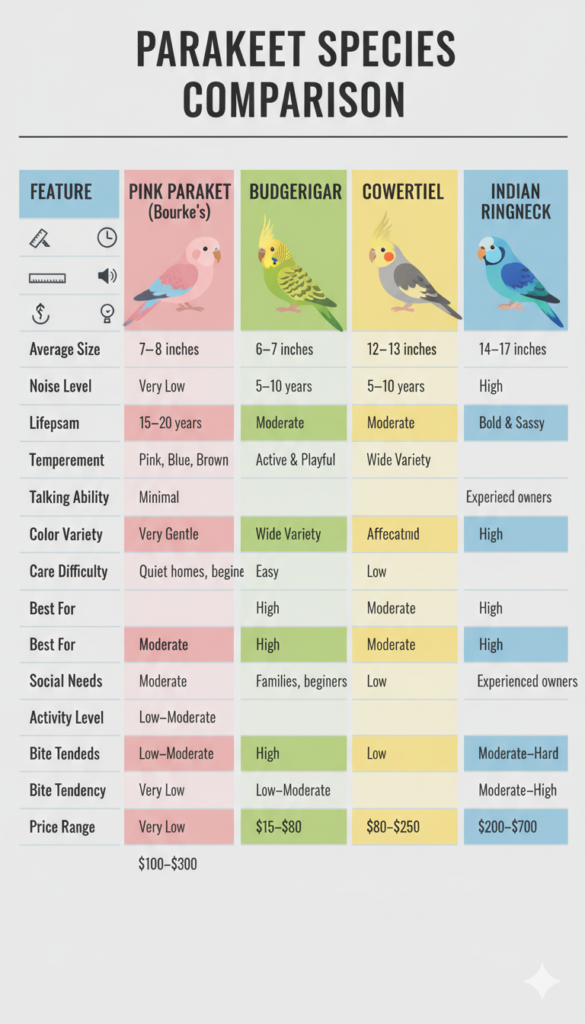
As you can see from this comparison, the pink parakeet offers a unique combination of beauty, gentleness, and ease of care that’s hard to find in other species. While it may not be the best talker, it more than makes up for it with its peaceful nature and stunning appearance.
Tips for Bonding With Your Pink Parakeet
Building a strong bond with your pink parakeet takes time and patience, but the reward is a loving, trusting companion. Here are some proven tips:
Step-by-Step Bonding Process
- Give them time to adjust: Allow your new bird at least 3–5 days to settle into its new environment before attempting to handle it.
- Speak softly and often: Talk to your bird in a calm, gentle voice to help it associate your presence with safety.
- Offer treats by hand: Millet sprays are a favorite. Hold them through the cage bars initially, then gradually move to offering them with an open hand inside the cage.
- Respect their schedule: Remember, they’re most active at dawn and dusk, so plan your bonding sessions during these times.
- Be patient with handling: Start by placing your hand near the bird without touching it. Gradually work up to gentle finger perching.
- Create positive associations: Play soft music, offer favorite foods, and maintain a calm atmosphere during interactions.
- Avoid sudden movements: Quick gestures can startle your bird and set back the bonding process.
Signs Your Pink Parakeet Trusts You
- Approaching the cage bars when you’re near
- Eating from your hand without hesitation
- Preening while you’re present (a sign of relaxation)
- Soft chirping or singing directed at you
- Willingly stepping onto your finger or hand
- Fluffing feathers in a relaxed manner when you speak
- Following your movements with interest rather than fear
Where to Buy or Adopt a Pink Parakeet
If you’ve fallen in love with the idea of owning a pink parakeet, here are your best options for finding one:
Reputable Sources
- Specialized avian breeders: The best option for healthy, well-socialized birds. Look for breeders who specialize in Bourke’s parakeets.
- Bird rescues and sanctuaries: A wonderful way to give a bird a second chance at a happy life.
- Avian expos and bird fairs: Great places to meet breeders in person and see birds before purchasing.
- Online breeder directories: Websites like BirdBreeders.com can help you locate reputable breeders in your area.
Red Flags to Avoid
- Sellers who won’t let you visit their facility
- Birds kept in dirty or overcrowded conditions
- Extremely low prices that seem too good to be true
- Sellers who can’t provide health records or band information
- Birds that appear lethargic, fluffed up, or have discharge around their eyes or nostrils
Frequently Asked Questions (FAQs)
1. Are pink parakeets rare?
Yes, compared to common green or blue parakeets, the pink parakeet is relatively rare. Bourke’s parakeets, which are the most well-known pink species, are not as commonly found in pet stores as budgerigars. However, they can be sourced through specialized breeders and bird rescues.
The Rosy Bourke’s mutation, with its vivid pink coloring, is even rarer and may command a higher price.
2. Can a pink parakeet talk?
Pink parakeets are not known for their talking ability. While some individuals may learn to mimic a few simple words or sounds with consistent training, they are not natural talkers like budgerigars or Indian ringneck parakeets. Their strength lies in their beautiful soft songs and gentle chirps rather than speech mimicry.
3. How much does a pink parakeet cost?
The cost of a pink parakeet varies depending on the specific mutation, breeder, and location. Generally, you can expect to pay:
- Standard Bourke’s Parakeet: $100–$200
- Rosy Bourke’s Parakeet: $150–$300
- Rare color mutations: $250–$400+
Additional costs include the cage, food, toys, and veterinary care, which can add $200–$500 to your initial investment.
4. Do pink parakeets need a companion?
While a single pink parakeet can thrive with adequate human interaction, they are social birds that generally benefit from having a companion.
If you’re away from home for extended periods, getting a pair is highly recommended to prevent loneliness and depression. Two birds will bond with each other and entertain themselves during your absence.
5. What do pink parakeets eat?
A healthy pink parakeet diet consists of:
- High-quality small parakeet seed mix (as a base)
- Formulated pellets for balanced nutrition
- Fresh fruits and vegetables daily
- Occasional treats like millet spray
- Clean, fresh water at all times
- Cuttlebone or mineral block for calcium supplementation
Avoid avocado, chocolate, caffeine, alcohol, and any foods high in salt or sugar, as these are toxic to birds.
6. Are pink parakeets good pets for beginners?
Yes! The pink parakeet is considered one of the best parakeet species for beginners. Their gentle temperament, quiet nature, and relatively simple care requirements make them an excellent choice for first-time bird owners. They’re also great for apartment living due to their low noise levels.
7. How do I know if my pink parakeet is healthy?
Signs of a healthy pink parakeet include:
- Bright, clear eyes
- Smooth, clean feathers
- Active behavior during dawn and dusk
- Regular eating and drinking
- Clean nostrils and vent area
- Firm, well-formed droppings
- Alert and responsive demeanor
8. Can pink parakeets live with other bird species?
Yes, pink parakeets are known for their non-aggressive nature and can often coexist peacefully with other gentle bird species in a spacious aviary.
However, they should not be housed with aggressive or significantly larger birds that might bully or harm them. Good companion species include finches, canaries, and other Bourke’s parakeets.
Conclusion
The pink parakeet is truly a remarkable bird that deserves far more recognition than it currently receives. From its stunning natural coloring and unique crepuscular activity pattern to its incredibly gentle temperament and impressive lifespan, there’s so much to love about this beautiful species.
These 5 Amazing Pink Parakeet Facts You’ll Love barely scratch the surface of what makes these birds so special. Whether you’re drawn to their peaceful demeanor, their gorgeous rosy feathers, or their surprisingly easy care requirements, the pink parakeet has something to offer every bird enthusiast.
If you’re considering adding a feathered friend to your family, the pink parakeet should be at the top of your list. With proper care, a healthy diet, regular veterinary check-ups, and plenty of love, your pink parakeet can be a loyal and beautiful companion for 15 to 20 years or more.
So, what are you waiting for? Take the first step toward welcoming one of nature’s most enchanting birds into your life. We promise you won’t regret it — after all, there’s a reason we titled this article 5 Amazing Pink Parakeet Facts You’ll Love. Because once you experience the joy of having a pink parakeet in your life, you truly will love every moment of it.
Leave a Reply