



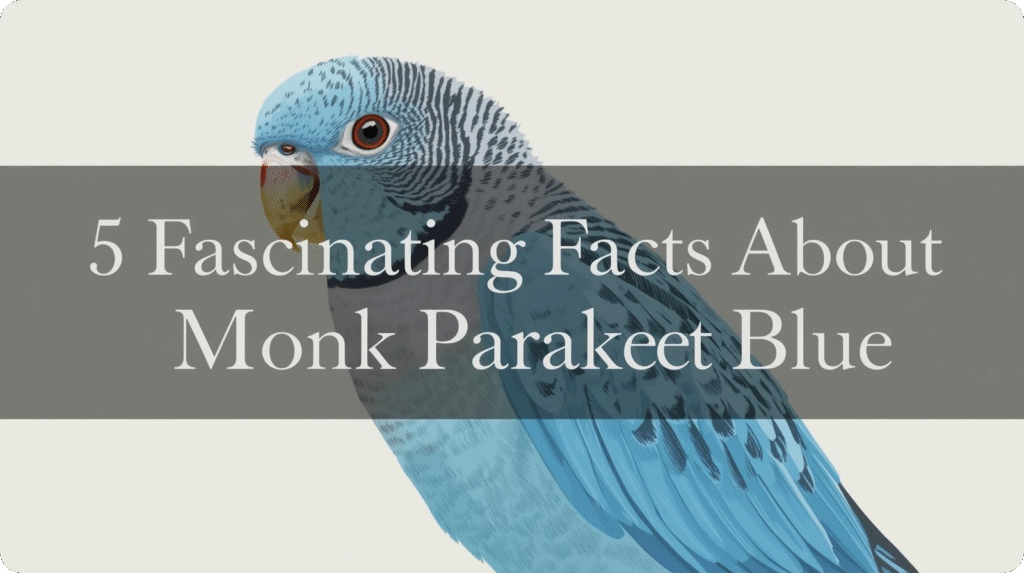
Have you ever spotted a vibrant blue parrot flying through your neighborhood and wondered what species it could be? The monk parakeet blue mutation is one of the most stunning color variations in the parrot world.
These beautiful birds have the friendly personality and smarts of a common parakeet. Their bright blue feathers catch attention wherever they go. In this guide, we will look at five interesting facts about blue monk parakeets. These facts will help you understand these amazing birds better.
The monk parakeet blue is not just beautiful to look at. These birds are also incredibly smart, social, and adaptable. If you are thinking about adding a monk parakeet to your family or are just curious, this is for you.
Learning what makes the monk parakeet blue special will help you appreciate these amazing birds even more. Let’s dive into the captivating world of blue parakeets and discover what sets them apart from their green counterparts.
What Is a Monk Parakeet Blue?
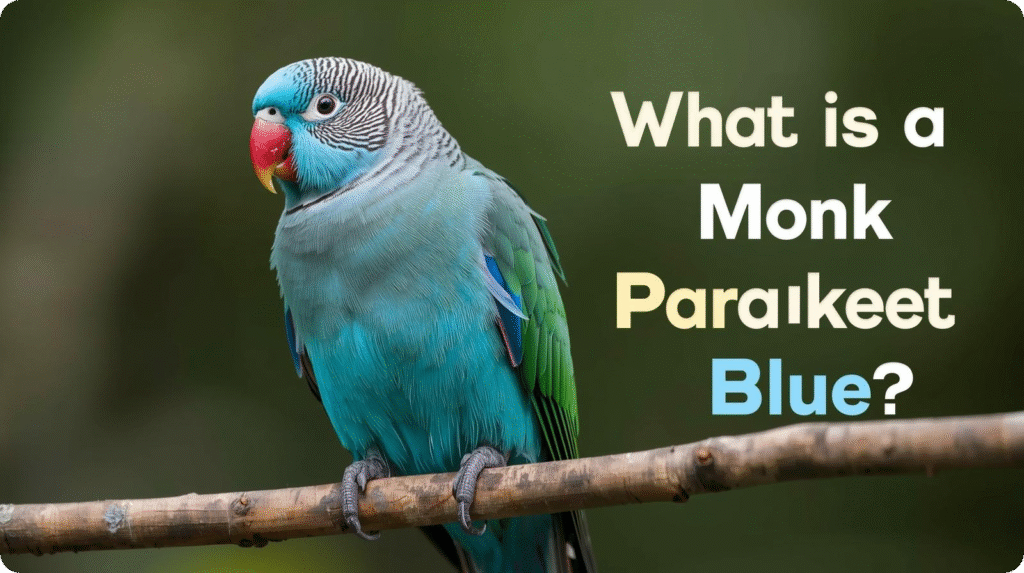
Before we explore our fascinating facts, let’s understand what the monk parakeet blue actually is. The parakeet, also called the Quaker parrot, is a small parrot native to South America. In the wild, these birds are predominantly green with grey chests and blue flight feathers.
Breeders developed the blue color mutation of the monk parakeet through selective breeding in captivity. This mutation changes the bird’s green feathers to lovely shades of blue. It keeps the grey chest and facial features. Blue monk parakeets are the same species as their green relatives. They share the same personality traits, intelligence, and care requirements. The only real difference is their stunning blue coloration, which makes them highly sought after by bird enthusiasts.
Types of Blue Mutations
The monk parakeet blue actually comes in several variations:
- Blue: The most common blue mutation, featuring bright blue body feathers
- Cobalt: A deeper, richer blue shade
- Mauve: A softer, purple-tinted blue
- Aqua/Turquoise: A lighter, greenish-blue shade
Each variation has its own unique beauty, and all are considered part of the monk parakeet blue family.
Fascinating Fact #1: Blue Monk Parakeets Are Master Architects
One amazing thing about monk parakeets, including the blue variety, is their unique way of building nests. Unlike most parrots that nest in tree cavities, monk parakeets build elaborate stick nests that can be truly massive.
Incredible Nest Building Skills
The monk parakeet blue has the same architectural abilities as green monk parakeets. These birds are the only parrot species that builds stick nests instead of using tree holes. Their nests are engineering marvels that can house multiple families in separate chambers.
Here’s what makes their nests so special:
Size: A single nest can weigh hundreds of pounds and measure several feet across. Some nests have been documented containing over 200 separate chambers!
Construction: The monk parakeet blue uses twigs and sticks to weave intricate structures. They carefully interlock branches to create sturdy walls and roofs.
Community living: Multiple pairs often share the same nest structure. Each pair has its own entrance and chamber, but they cooperate to maintain the overall structure.
Year-round use: Unlike many birds that build seasonal nests, monk parakeets use and maintain their nests throughout the year.
Why This Matters for Pet Owners
Understanding the monk parakeet blue‘s natural nesting instinct helps pet owners provide better care. These birds have a strong desire to build and modify their environment.
In captivity, you can satisfy this instinct by:
- Providing lots of chewable toys and safe sticks
- Offering foraging toys that encourage building behaviors
- Giving them cardboard boxes or paper to shred and arrange
- Creating a “nest box” filled with safe materials they can rearrange
When a monk parakeet doesn’t have the right outlets for building, it may get frustrated. This can lead to behavioral problems.
Fascinating Fact #2: They’re Incredibly Intelligent and Trainable
The monk parakeet blue is one of the smartest parrot species. These birds demonstrate problem-solving abilities, memory skills, and learning capabilities that often surprise even experienced bird owners.
Cognitive Abilities
Research shows that parakeets possess impressive thinking skills. The monk parakeet blue can:
Learn through observation: They watch other birds and humans to learn new behaviors. This makes them excellent at picking up both good and bad habits!
Many owners of monk parakeets say their birds can solve puzzles. They can open cage latches and work puzzle toys. Some can even move household objects.
Understand cause and effect: These birds quickly learn that certain actions produce specific results. They can use this knowledge to get what they want.
Recognize people: A monk parakeet can tell different people apart. It often shows clear favorites among family members.
Some observers have seen monk parakeets use objects as tools to reach food or accomplish tasks.
Talking and Mimicry
The monk parakeet blue has excellent talking ability. While not all individuals will talk, many become quite vocal and can learn impressive vocabularies.
Here’s what you can expect:
Vocabulary: Many monk parakeet blue birds learn 50-100 words or phrases. Some exceptional individuals learn even more.
Clarity: parakeets typically speak with good clarity compared to some other parrot species. Their words are often easy to understand.
Context: Smart monk parakeet blue birds often learn to use words in appropriate contexts. They might say “hello” when you enter the room or ask for “water” when thirsty.
Sounds: Beyond words, these birds are excellent mimics of household sounds. They can copy phone rings, doorbells, microwave beeps, and other common noises.
Training Potential
The monk parakeet blue responds wonderfully to positive reinforcement training. With patience and consistency, you can teach them many behaviors:
- Stepping up onto your hand
- Coming when called
- Performing tricks like waving, spinning, or playing dead
- Using a specific perch for bathroom needs
- Accepting handling for nail trims and vet exams
- Playing basketball or other toy games
- Retrieving small objects
Training provides important mental stimulation for the monk parakeet blue. It also strengthens the bond between bird and owner while making daily care easier.
Fascinating Fact #3: Blue Monk Parakeets Are Social Butterflies
The monk parakeet blue is an extremely social bird. In the wild, parakeets live in large flocks and maintain complex social relationships. This social nature remains strong in captive birds and significantly influences their care requirements.
Flock Mentality
The monk parakeet blue views its human family as its flock. This creates both opportunities and challenges:
Strong bonds: These birds form deep attachments to their favorite people. A well-socialized monk parakeet blue can be an affectionate, interactive companion.
Need for interaction: Social birds require daily interaction. A monk parakeet blue that doesn’t get enough attention may become depressed, anxious, or develop behavioral problems.
Jealousy: Some parakeets become possessive of their favorite person. They may show aggression toward other family members or pets.
Flock calling: In the wild, parakeets use loud calls to keep in contact with their flock. The monk parakeet blue may call loudly when separated from family members.
Communication Methods
The monk parakeet blue uses various methods to communicate:
Vocalizations: They have different calls for different purposes. Contact calls, alarm calls, and social chatter all sound different.
Body language: A monk parakeet blue communicates through posture, feather position, eye movement, and wing positioning.
Behavior: Actions like regurgitating food (a sign of affection), beak grinding (contentment), or tail fanning (excitement) all convey meaning.
Companionship Considerations
Because the monk parakeet blue is so social, owners must consider whether to keep one bird or multiple birds:
Single bird advantages:
- Often bonds more closely with humans
- May be easier to train
- Typically quieter than multiple birds
- Requires less cage space
Multiple bird advantages:
- Birds provide social interaction for each other
- Less dependent on human interaction
- More natural behaviors
- Can be left alone for longer periods
If you choose a single monk parakeet blue, be prepared to spend several hours daily interacting with your bird. If you’re often away from home, consider getting two birds so they can keep each other company.
Fascinating Fact #4: They Have Remarkable Adaptability
The monk parakeet blue demonstrates impressive adaptability that has allowed wild monk parakeet populations to thrive in unexpected locations around the world.
Climate Adaptability
Unlike most parrot species that require tropical climates, the monk parakeet blue can adapt to various temperature ranges. This is because wild parakeets come from temperate regions of South America where temperatures can vary significantly.
Cold tolerance: parakeets can survive in surprisingly cold climates. Wild populations have established themselves in places like Chicago, New York, and even parts of Europe where winter temperatures drop below freezing.
Heat tolerance: The monk parakeet blue also handles warm weather well, though they need shade and water during extreme heat.
Seasonal adjustment: These birds can adjust their behavior based on seasons. They eat more during cold months and may become less active during extreme heat.
Dietary Flexibility
The monk parakeet blue is an opportunistic eater. In the wild, parakeets eat a varied diet depending on what’s available:
- Seeds and grains
- Fruits and berries
- Nuts
- Flowers and buds
- Vegetable matter
- Occasionally insects
This dietary flexibility means the monk parakeet blue can thrive on various food types in captivity. However, this also means they need a balanced diet to prevent nutritional deficiencies.
A healthy diet for a monk parakeet blue should include:
- High-quality pellets (60-70% of diet)
- Fresh vegetables daily (20-30% of diet)
- Small amounts of fruit (5-10% of diet)
- Occasional healthy treats like nuts or whole grains
Avoid feeding your monk parakeet blue avocado, chocolate, caffeine, alcohol, or high-salt foods. These can be toxic to birds.
Environmental Adaptability
The monk parakeet blue can adjust to various living situations:
Urban environments: Wild parakeet populations often thrive in cities. They nest on utility poles, building ledges, and other man-made structures.
Rural settings: They also do well in rural areas with access to agricultural fields and natural vegetation.
Indoor living: As pets, monk parakeet blue birds adapt well to indoor life when given appropriate care, enrichment, and out-of-cage time.
This adaptability makes the monk parakeet blue more resilient than some other parrot species. However, owners should still provide stable, appropriate conditions to keep their birds healthy and happy.
Fascinating Fact #5: Blue Monk Parakeets Have Unique Health Considerations
While the monk parakeet blue is generally a hardy bird, the blue mutation does come with some specific health considerations that owners should understand.
Genetic Health Factors
The monk parakeet blue mutation is a result of selective breeding. This breeding can sometimes lead to health considerations:
Fatty liver disease: parakeets, especially blue varieties, can be prone to fatty liver disease. This condition often results from high-fat diets, obesity, or lack of exercise.
Feather quality: Some monk parakeet blue birds may have slightly different feather structure compared to wild-type green birds. Proper nutrition helps maintain healthy feathers.
Reproductive issues: Heavily inbred lines may experience fertility problems or genetic weaknesses. This is why choosing a reputable breeder is important.
Lifespan and Longevity
With proper care, a monk parakeet blue can live a long life:
Average lifespan: 20-30 years in captivity Record lifespan: Some parakeets have lived into their 30s
This long lifespan means getting a monk parakeet blue is a serious commitment. Potential owners should consider whether they can care for a bird for decades.
Factors that influence longevity include:
- Quality of diet
- Amount of exercise
- Regular veterinary care
- Mental stimulation
- Stress levels
- Genetics
Common Health Issues
The monk parakeet blue may experience various health problems during its lifetime:
Obesity: These birds love to eat and can easily become overweight. Monitor their diet and provide plenty of exercise opportunities.
Respiratory infections: Like all parrots, parakeet blue birds can develop respiratory problems. Keep their environment clean and maintain good air quality.
Psittacosis: This bacterial infection can affect all parrots. Regular vet check-ups help catch it early.
Beak and feather disease: While less common in parakeets than in some species, this viral disease can occur.
Injuries: Active monk parakeet blue birds can injure themselves on toys or cage furnishings. Provide safe equipment and supervise out-of-cage time.
Preventive Care
Keep your monk parakeet blue healthy with these practices:
- Annual vet check-ups with an avian veterinarian
- Balanced diet with appropriate variety
- Daily out-of-cage exercise
- Regular cage cleaning
- Fresh water daily
- Mental stimulation through toys and training
- Monitoring for behavior or appearance changes
Finding an experienced avian vet before you need one is crucial. Not all veterinarians have training in bird care.
Comparison: Blue Monk Parakeet vs. Green Monk Parakeet
| Feature | Monk Parakeet (Blue) | Monk Parakeet (Green) |
|---|---|---|
| Physical Traits | ||
| Color | Blue body, grey chest and face | Green body, grey chest and face |
| Size | 11-12 inches long | 11-12 inches long |
| Weight | 90-150 grams | 90-150 grams |
| Behavior & Ability | ||
| Personality | Social, intelligent, playful | Social, intelligent, playful |
| Talking Ability | Excellent | Excellent |
| Noise Level | Moderate to loud | Moderate to loud |
| Care & Ownership | ||
| Lifespan | 20-30 years | 20-30 years |
| Care Requirements | Same as green variety | Same as blue variety |
| Price Range | $400-$800 | $200-$500 |
| Availability | Less common, specialty breeders | More common, wider availability |
| Health & Ecology | ||
| Health Issues | May have slightly more genetic issues | Generally robust |
| Wild Population | Only in captivity | Exists both wild and captive |
As you can see, the main differences between the monk parakeet blue and green varieties are color and price. The personality, care needs, and abilities remain the same.
Caring for Your Monk Parakeet Blue
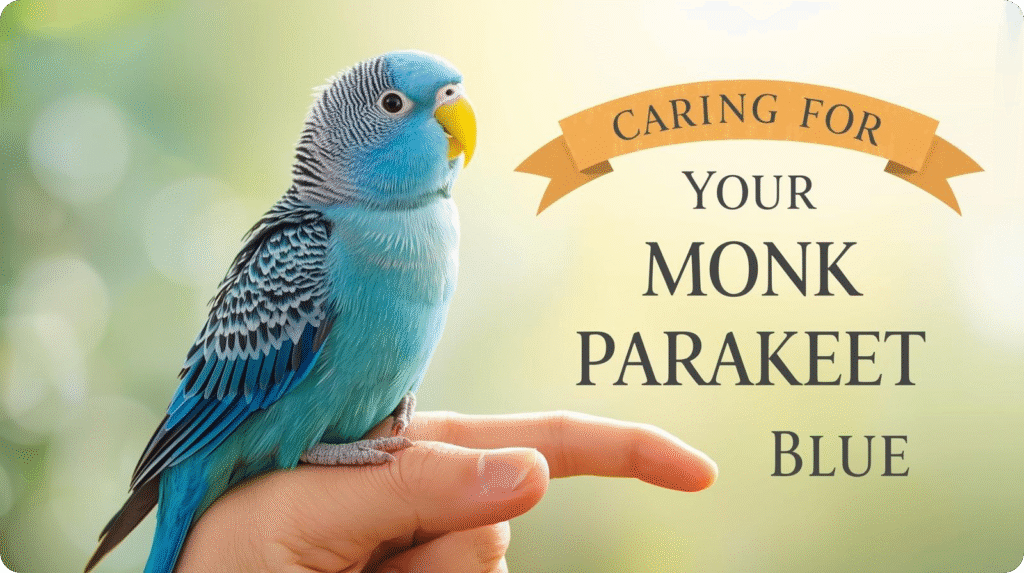
Now that you know these fascinating facts, let’s talk about how to properly care for a monk parakeet blue.
Housing Requirements
The monk parakeet blue needs appropriate housing to stay healthy and happy:
Cage size: Minimum 24 inches wide by 24 inches deep by 24 inches tall for one bird. Larger is always better.
Bar spacing: No more than 3/4 inch to prevent escape or injury.
Cage type: Choose powder-coated or stainless steel. Avoid zinc or lead-based cages as these metals are toxic.
Perches: Provide natural wood perches of varying diameters. This exercises feet and prevents arthritis.
Location: Place the cage in a family area where your monk parakeet blue can observe household activities. Avoid kitchens due to cooking fumes.
Temperature: Keep the area between 65-80°F. Avoid drafts and direct sunlight.
Daily Care Routine
Your monk parakeet blue needs consistent daily care:
- Fresh water morning and evening
- Fresh food daily
- Remove uneaten fresh foods after a few hours
- Spot clean cage (remove droppings, fallen food)
- Social interaction for 2-4 hours
- Out-of-cage time in a bird-safe area
- Mental stimulation through toys or training
Weekly and Monthly Tasks
Beyond daily care, your monk parakeet blue needs regular maintenance:
Weekly:
- Deep clean food and water dishes
- Replace cage liner
- Wash and rotate toys
- Check toys and perches for damage
Monthly:
- Complete cage cleaning
- Introduce new toys to maintain interest
- Trim nails if needed (or visit groomer)
Check beak for overgrowth
Social Needs
Remember that the monk parakeet blue is highly social. Meeting these needs is crucial:
- Daily interaction with family members
- Training sessions for mental stimulation
- Supervised out-of-cage time
- Appropriate attention levels (not too much, not too little)
- Respect for the bird’s independent time
Frequently Asked Questions About Monk Parakeet Blue
What makes a monk parakeet blue instead of green?
The monk parakeet blue gets its color from a genetic mutation that affects pigmentation. This mutation removes the yellow pigment from the feathers while keeping the blue structure. Since green in birds comes from blue structure plus yellow pigment, removing the yellow leaves only blue. Breeders have selectively bred birds with this mutation to create the beautiful monk parakeet blue varieties available today.
Are blue monk parakeets rare?
The monk parakeet blue is less common than the standard green variety but not extremely rare. Many breeders specialize in color mutations and regularly produce blue parakeets. However, they’re less available than green birds and typically cost more.
The specific shade of blue can affect rarity. Standard blue is most common, while mauve and certain turquoise shades are harder to find.
Do blue monk parakeets have different personalities than green ones?
No, the monk parakeet blue has the same personality traits as green monk parakeets. Color mutations don’t affect temperament, intelligence, or behavior.
Individual personality varies from bird to bird regardless of color. Some parakeets are outgoing and bold, while others are more cautious. Some love to cuddle, others prefer less physical contact. When choosing a monk parakeet blue, focus on the individual bird’s personality rather than assuming color affects behavior.
Can monk parakeet blue varieties live outdoors?
Wild monk parakeets can survive in many climates. However, it is generally not a good idea to keep a pet monk parakeet outside. Outdoor birds face risks including predators, extreme weather, disease from wild birds, and potential escape.
Indoor living with supervised outdoor time in a secure aviary or harness is safer. If you let your monk parakeet outside, always watch them closely. Make sure the area is safe and secure.
How much does a monk parakeet blue cost?
A monk parakeet blue typically costs between $400 and $800, depending on several factors. The specific blue shade affects price, with rarer colors costing more.
Breeder reputation also influences cost. Well-known breeders with healthy, socialized birds charge higher prices. Location matters too, as prices vary by region.
Hand-fed, weaned babies cost more than parent-raised birds. Plan for more than just the first purchase.
Budget for cage setup, which costs between $200 and $500. Also, set aside $30 to $50 each month for food and supplies. Don’t forget about veterinary care, which can cost $100 to $300 each year.
Are blue monk parakeets legal everywhere?
Legal status of the monk parakeet blue varies by location. In the United States, parakeets are legal in most states.
However, they are banned or restricted in some areas. This is due to concerns about wild populations. States like California, Connecticut, and Hawaii have restrictions.
Always check local laws before getting a monk parakeet blue. Some areas require permits. In other countries, regulations also vary. Research your specific location’s rules to ensure you can legally keep a parakeet.
How loud are blue monk parakeets?
The parakeet is a moderately loud bird. They’re not as loud as large parrots like cockatoos or macaws, but they’re definitely not quiet. parakeets use loud contact calls, especially in the morning and evening. They also chatter throughout the day.
The noise level can be challenging in apartments or close living situations. However, training, adequate attention, and established routines can help manage noise.
A blue monk parakeet that feels safe is usually quieter. If the bird gets enough attention, it will also be calm. In contrast, a neglected or anxious bird tends to be louder.
Can blue monk parakeets eat the same food as green ones?
Yes, the parakeet blue has identical dietary needs to green parakeets. Both varieties need a balanced diet of high-quality pellets, fresh vegetables, limited fruit, and occasional healthy treats.
The color mutation doesn’t affect nutritional requirements. All parakeets should avoid avocado, chocolate, caffeine, alcohol, and high-salt foods. Provide a varied diet with lots of fresh foods to keep your monk parakeet blue healthy. Proper nutrition helps maintain their beautiful blue feathers and supports overall health.
Conclusion
The monk parakeet blue is a truly remarkable bird that combines stunning beauty with impressive intelligence and engaging personality. These five fascinating facts only scratch the surface of what makes blue parakeets so special. The monk parakeet blue has unique nest-building skills and is very smart. Their social nature and adaptability have won the hearts of bird lovers everywhere.
Knowing these facts helps future owners decide if a monk parakeet blue is the right pet for them. These birds require significant commitment in terms of time, attention, and proper care. However, for those willing to meet their needs, a monk parakeet blue offers decades of companionship, entertainment, and affection.
The blue monk parakeet may cost more than the green ones. However, many owners think its beautiful look is worth the extra money. More importantly, the personality and abilities remain the same regardless of color. Whether you choose blue, green, or any other color mutation, you’re getting an intelligent, social, and engaging companion.
If you’re considering adding a monk parakeet blue to your family, take time to find a reputable breeder. Prepare an appropriate living environment and educate yourself about proper care. Meet individual birds to find one whose personality matches your lifestyle. With the right preparation and care, a blue monk parakeet can be a beloved family pet for years.
These beautiful blue birds prove that sometimes nature’s variations, enhanced through careful breeding, create something truly special. The monk parakeet blue stands as a testament to the diversity and wonder found in the avian world. Whether you are an experienced bird keeper or a curious beginner, the monk parakeet blue has something special. It offers a unique experience that few other pets can match.
Leave a Reply