
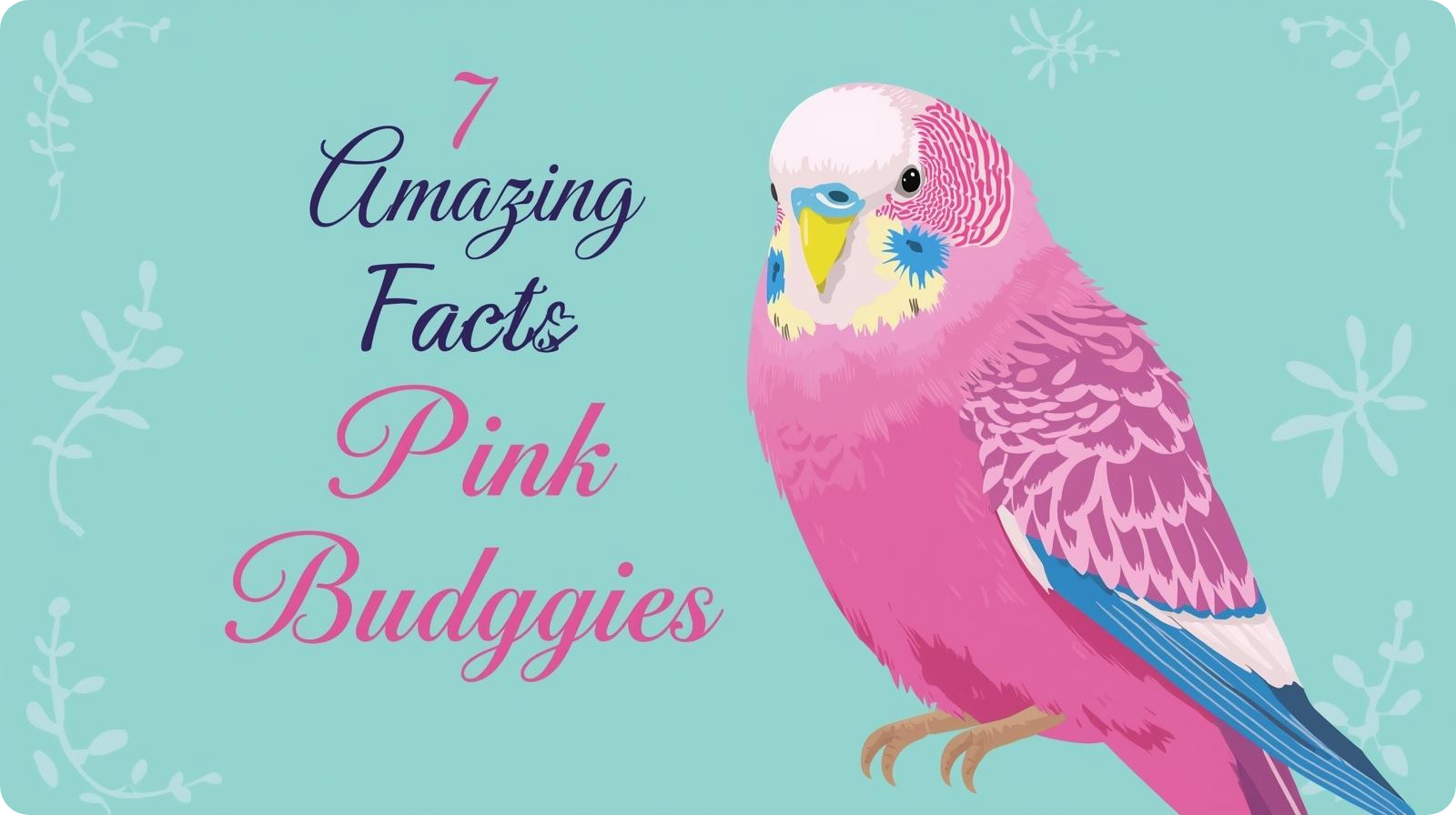
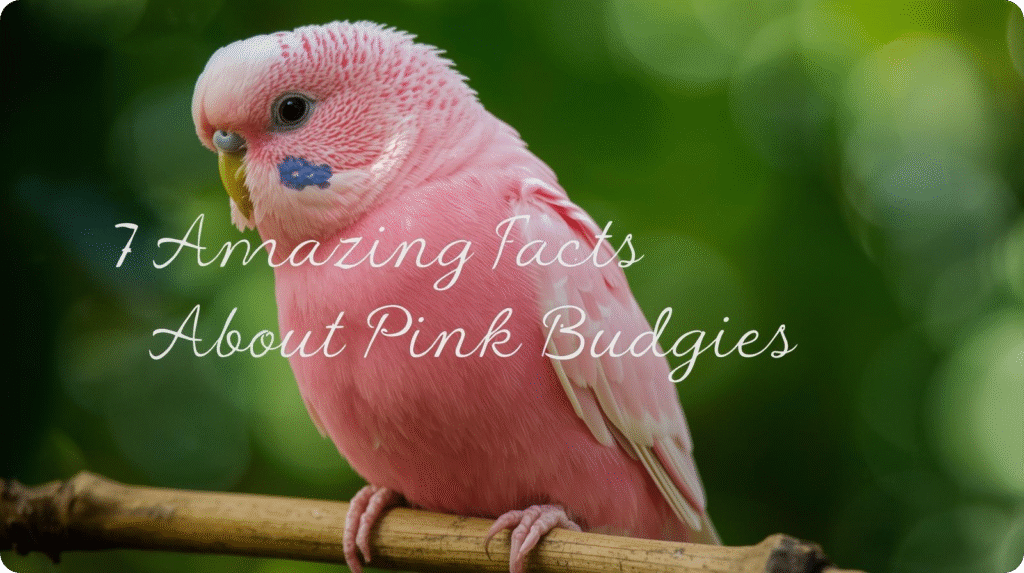
The search for a pink budgerigar has fascinated bird lovers for decades. Budgies are one of the most colorful pet birds in the world. They come in many stunning colors that spark wonder and curiosity. This guide reveals 7 Amazing Facts About Pink Budgerigars that will surprise you and teach you something new.
Whether you’ve seen a bird that looked pink or found photos online of rosy-colored budgies, this article gives you the truth. You’ll learn the science, genetics, and everything you need to know about this interesting topic.
Understanding Budgie Colors: The Basics
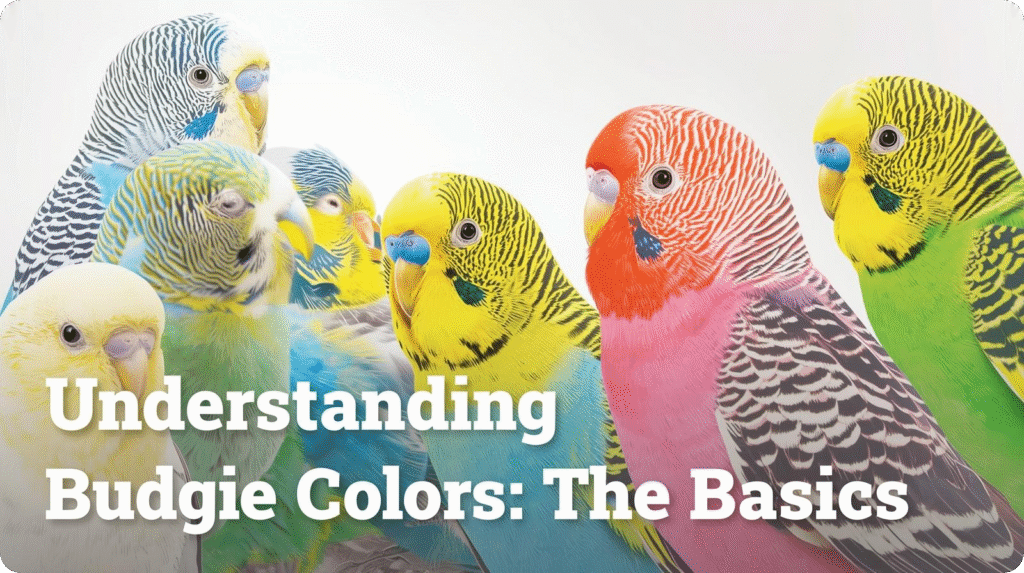
Before we explore facts about pink budgerigars, let’s understand how budgie colors work.
How Budgie Colors Form
Budgie feathers get their color from two main sources:
Pigments:
- Yellow pigments: Create yellow and contribute to green coloring
- Dark pigments (melanin): Create black, brown, and gray tones
Feather Structure:
- Tiny structures in feathers reflect blue light
- This creates blue color without any blue pigment
The Color Range of Budgies
Budgies naturally come in these color groups:
- Green (wild type)
- Blue
- Yellow (lutino)
- White (albino)
- Violet
- Gray
- Many mixes and variations
This background helps explain our first surprising fact about the pink budgerigar.
Fact 1: True Pink Budgies Do Not Exist in Nature
The most important fact about the pink budgerigar might surprise you. There is no natural pink color in budgies.
The Science Behind This
Budgies have over 30 color types and countless mixes. But pink is not one of them. This seems strange because:
- Other birds like flamingos and cockatoos have pink feathers
- Budgies come in so many other colors
- Photos of “pink budgies” appear online
Why You Should Know This
Learning that true pink budgerigars don’t exist helps you:
- Avoid scams from sellers claiming to have rare pink birds
- Spot birds that someone has dyed
- Enjoy the natural colors that do exist
- Make smart choices when buying a pet
What People Actually See
When someone says they saw a pink budgerigar, they likely saw:
- A pale violet or mauve budgie in certain lighting
- An albino or lutino with visible pink skin
- A bird with a pinkish nose area
- A bird that someone dyed
- A photo with changed colors
Fact 2: Genetics Make Pink Impossible
The lack of pink budgerigars isn’t random. Biology and genetics make pink coloring impossible in this species.
The Missing Pink Color
For a bird to have true pink feathers, it needs certain pigments:
Carotenoids:
- Create red, orange, and pink colors in many birds
- Birds get these from their food (like flamingos eating shrimp)
- Budgies cannot use these pigments in their feathers
Porphyrins:
- Create pink and red in some bird species
- Budgies don’t have these
What Budgies Can Produce
Budgies make special yellow pigments found only in parrots. But these pigments only create:
- Yellow
- Green (when mixed with blue feather structure)
Budgies cannot make pink through natural breeding. Their bodies simply lack this ability.
Feather Structure Limits
While feather structure creates blue color, it cannot make pink. The way light bounces off feathers allows for:
- Blue
- Green (with yellow pigment)
- Purple and violet (with certain pigments)
Pink would need a different pigment type that budgies cannot produce.
Fact 3: Colors Often Mistaken for Pink
Several real budgie colors are often confused with pink budgerigars.
Violet and Mauve Budgies
These create most “pink budgie” sightings:
Violet Budgies:
- Show rich purple colors
- Can look pinkish-purple in some light
- Come in single and double factor types
- Breeders love these birds
Mauve Budgies:
- Have pale grayish-purple coloring
- Look soft and muted
- May appear pink in warm light
- Belong to the blue color family
Pale Lilac Types
Some budgies have colors people describe as:
- Lavender
- Pale violet
- Soft mauve
These gentle purple-gray shades catch light in ways that may look pink to some people.
Opaline Types
The opaline gene changes feather patterns. It creates softer color looks that some see as having pink tones. This happens in:
- Opaline violet
- Opaline mauve
- Opaline gray
Fact 4: Pink Noses Are Normal in Budgies
While pink budgerigar feathers don’t exist, pink is common in another body part—the cere (nose area).
What Is the Cere?
The cere is the fleshy area above the budgie’s beak. It contains the nostrils. Its color helps with:
- Telling males from females
- Knowing a bird’s age
- Checking health
When Ceres Look Pink
Young Budgies (Under 4 Months):
- Both males and females often have pink or light purple ceres
- Color changes as birds grow up
- Not useful for telling sex at this age
Adult Females:
- Usually get brown or tan ceres when ready to breed
- Females not breeding may have pale blue or pinkish-white ceres
- Pink color means not in breeding mode
Adult Males:
- Some color types affect cere color
- Albino and lutino males often keep pink or purple ceres
- Some pied males have pink ceres
Health Signs
Changes in cere color can show:
- Hormone changes
- Breeding condition
- Illness (strange color changes need a vet visit)
- Age-related changes
This link between pink and the cere makes people connect pink with budgies, even though feathers are never pink.
Fact 5: The Dark Truth About Dyed “Pink” Budgies
One disturbing fact about pink budgerigars is that some sellers dye birds to make them look pink. This practice is harmful and wrong.
How People Dye Birds
Dishonest sellers may create “pink budgerigars” by:
Coloring Feathers:
- Putting dyes or food coloring on feathers
- Using spray-on colors
- Dipping birds in colored liquids
Adding Things to Food:
- Putting color additives in food or water
- Hoping colors will show up in new feathers
- This usually doesn’t work but still hurts the bird
Why Dyeing Hurts Birds
This practice causes serious harm:
Physical Damage:
- Toxic chemicals can poison birds
- Skin gets irritated and burned
- Lungs suffer from chemical fumes
- Feathers become damaged
- Birds swallow toxins when cleaning their feathers
Mental Stress:
- The dyeing process causes extreme fear
- Can lead to behavior problems
- May cause feather plucking
Shorter Life:
- Chemical exposure reduces lifespan
- Immune system becomes weak
- Health problems continue long-term
How to Spot Dyed Birds
Protect yourself from supporting this cruelty:
- Uneven coloring
- Color that fades or washes away
- Stained skin under feathers
- Seller won’t talk about genetics
- Prices seem too low for “rare” birds
- Birds smell like chemicals
- Color looks painted on
What to Do If You Suspect Dyeing
- Don’t buy the bird (this rewards bad behavior)
- Report the seller to animal authorities
- Take photos as evidence
- Contact animal welfare groups
- Warn others to prevent more victims
Fact 6: The Best Alternatives to a Pink Budgerigar
While a true pink budgerigar is impossible, several pretty color types come close to pink. These options satisfy bird lovers wanting softer, romantic colors.
Color Comparison Table
| Color | Type | Look | How Rare | Special Notes |
|---|---|---|---|---|
| Violet Shades | ||||
| Violet | Single | Rich purple-blue | Medium | Beautiful purple tones |
| Violet | Double | Deep, strong violet | Medium | Most intense purple |
| Spangle Violet | Violet with reversed marks | Medium | Striking pattern | |
| Opaline Violet | Purple with pattern | Medium | Unique wing marks | |
| Lavender Gray | Soft silvery-purple | High | Delicate beauty | |
| Mauve | Pale grayish-purple | High | Soft, muted look | |
| Other Colors | ||||
| Albino | Pure white with pink eyes | Low | Pink skin shows through | |
| Lutino Cinnamon | Golden-yellow, soft | Low | Warm, gentle color |
Closer Look at Pink-Like Colors
1. Violet Budgies:
- The violet gene adds purple to base colors
- Can combine with blue, green, or other types
- Visual violets show clear purple color
- Best choice for those wanting pink
2. Mauve Budgies:
- Blue family with two dark factors
- Soft, diluted purple-gray look
- May appear pink in warm light
- Gentle, classy appearance
3. Clearwing Violet:
- Mixes clearwing with violet gene
- Pale body with colored wings
- Creates dreamy, soft look
- Fairly rare but stunning
4. Gray-Violet Mixes:
- Gray gene changes violet coloring
- Creates unique lavender-gray shades
- Subtle and unusual
- Appeals to those wanting muted tones
Fact 7: Future Chances and Breeding Progress
Could a pink budgerigar ever exist? This question interests scientists and breeders alike.
Current Breeding Limits
Despite years of selective breeding:
- No pink gene has ever appeared naturally
- Breeders have tried all known genetic mixes
The basic pigment limit remains
What Could Possibly Happen
Genetic Changes:
- Scientists could add pink pigment genes
- This raises serious moral concerns
- No one currently does this with budgies
- Bird communities would strongly oppose it
Natural Change:
- Very unlikely but not fully impossible
- Would need a new pigment-making gene
- No proof this has ever happened in budgie history
- Would likely take millions of years
Mixing Species:
- Some suggest breeding with pink-feathered species
- Budgies cannot breed with other species
- Genes don’t match up
- This approach is biologically impossible
The Moral View
Most trusted breeders and bird groups believe in:
- Enjoying pink budgies as they naturally exist
- Not chasing extreme or harmful color changes
- Putting health above unusual looks
- Rejecting any dyeing methods
What Good Breeders Focus On
Instead of impossible colors, ethical breeding focuses on:
- Bird health and long life
- Good behavior and personality
- Natural color improvement through careful breeding
- Avoiding genetic problems from inbreeding
- Following breed standards
Why People Want Pink Budgerigars
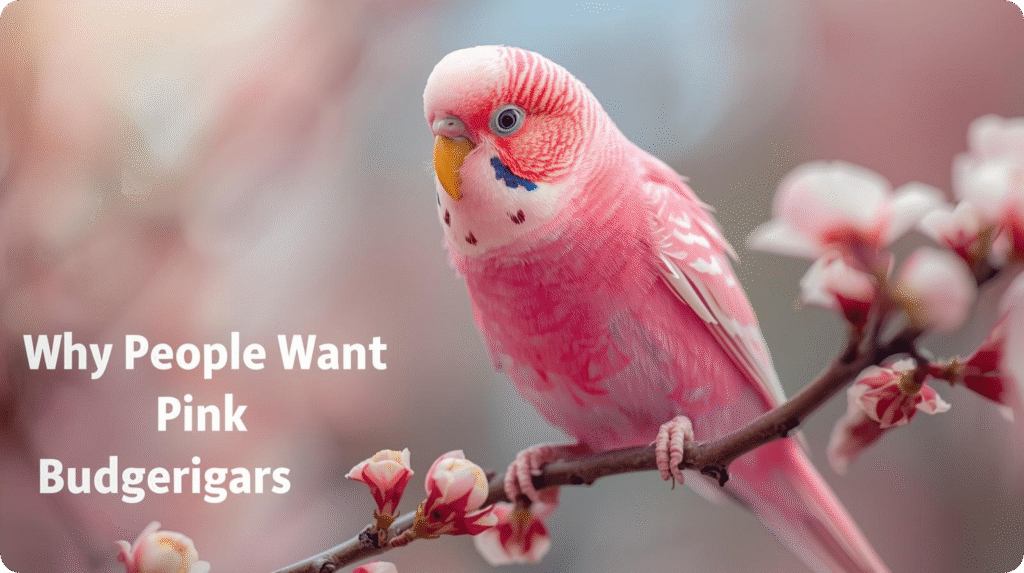
Understanding why people seek pink budgerigars helps explain the ongoing interest in this impossible color.
Culture and Psychology
What Pink Means to People:
- Softness and gentleness
- Romance and love
- Being unique and rare
- Childhood memories
The Rare Factor:
- People love rare and unusual things
- Pink birds are uncommon in nature
- The impossible becomes more desirable
Visual Appeal:
- Pink would look beautiful against green plants
- Matches many home styles
- Perfect for social media photos
Reality Check
While the appeal makes sense:
- Many existing colors are just as beautiful
- Rare doesn’t always mean better
- Healthy birds in common colors make great pets
- Enjoying what exists brings more happiness than chasing dreams
Choosing a Beautiful Budgie Without Pink
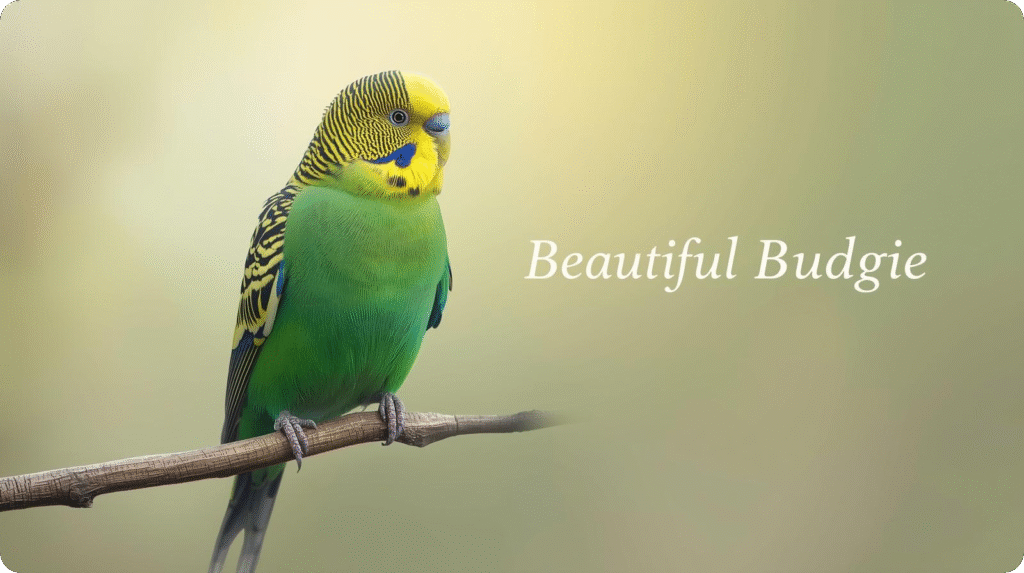
If you like softer, romantic colors, consider these beautiful options instead of a pink budgerigar.
Colors Worth Considering
For Soft, Subtle Beauty:
- Mauve
- Gray
- Pale violet
- White (albino or dark-eyed clear)
For Striking Purple Tones:
- Visual violet
- Violet cobalt
- Violet opaline
For Unique Patterns:
- Spangle (any color)
- Pied types
- Clearwing types
Choosing Based on Personality
Remember that the best pink budgie for you depends on:
- The bird’s personality
- Health and energy
- Age and training potential
- The connection you feel
Color should come second to finding a healthy, friendly companion.
Caring for Your Budgie (Any Color)
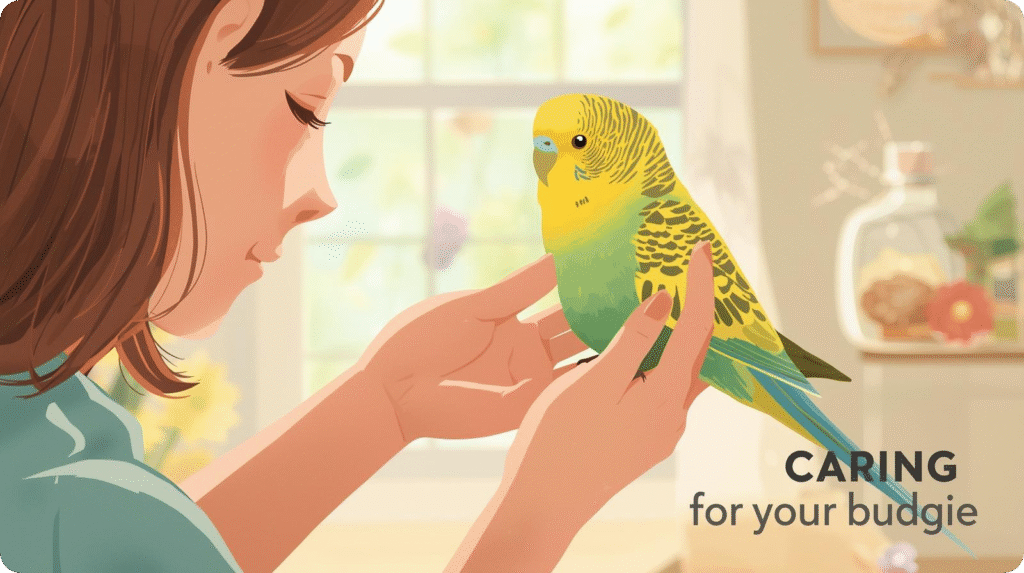
Whether you have a common green & pink budgie or a rare violet, proper care stays the same.
Basic Care Needs
Housing:
- Roomy cage (at least 18″ x 18″ x 18″)
- Safe bar spacing (1/2 inch)
- Several perches of different sizes
- Toys for brain stimulation
Food:
- Quality seed mix
- Pellets as supplement
- Fresh veggies and fruits
- Cuttlebone for calcium
Health Care:
- Regular vet visits
- Clean living space
- Fresh water daily
- Watch for illness signs
Social Needs:
- Daily time together
- Training and handling
- Companionship (human or budgie)
- Mental challenges
Frequently Asked Questions
Do pink budgies really exist?
No, true pink budgies do not exist in nature. No genetic change produces pink feathers in pink budgies. The pigments in pink budgies cannot create pink color. Any seller likely dyes a bird sold as a pink budgerigar or lies about it.
What color is closest to pink in budgies?
Violet and mauve pink budgies come closest to pink. These types create purple-toned feathers that may look pinkish in some lighting. Pale violet or lavender types are especially soft and romantic looking.
Why do some online photos show pink budgies?
Photographers usually edit, filter, or take photos of pink budgerigars in strange lighting. Some document dyed birds. Always doubt images claiming to show pink budgies. This color does not happen naturally.
Does dyeing a budgie hurt it?
Yes, dyeing pink budgies causes serious harm. The chemicals can burn skin, damage lungs, destroy feathers, and poison birds when they clean themselves. This practice causes major stress and can shorten a bird’s life. Never buy a dyed bird.
Can breeders eventually create pink budgies?
Based on current science, breeding pink budgies is impossible. Budgies cannot make pink pigments. No amount of careful breeding can create a gene that doesn’t exist. Mixing with pink-feathered species is also impossible because the genes don’t match.
Why are flamingos pink but not budgies?
Flamingos get pink color from their diet of shrimp and algae. Their bodies can process and store these pigments in feathers. Pink budgies cannot use these same pigments. Their pigment system only makes yellow and dark colors.
Are there any rare budgie colors that look unusual?
Yes, several rare types create striking looks. These include anthracite (very dark, almost black), lacewing (delicate brown marks on yellow or white), and certain rainbow mixes. Double factor violets are also fairly rare and show intense purple color.
How can I tell if someone dyed a budgie?
Signs of dyed pink budgies include patchy coloring, color that fades near feather bases, stained skin, chemical smells, and colors that don’t match known types. The color may appear painted on rather than growing from the feather.
Why do people sometimes call violet budgies pink?
Violet pink budgies have purple feathers that may look pinkish depending on lighting. This happens most with paler violet types or under warm light. But the true color is purple, not pink.
What if someone tries to sell me a pink budgie?
Don’t buy the bird. It was probably dyed, and buying it rewards harmful behavior. Write down the seller’s information and report them to animal welfare authorities. Take photos if you can and warn other bird lovers about the scam.
Conclusion
Here are 7 amazing facts about pink budgerigars. They show a mix of science, genetics, ethics, and our desire for beauty. While the pink budgerigar remains impossible in nature, learning why helps us appreciate the amazing colors that do exist.
We have shared important information for bird lovers.
This includes science that shows budgie genetics cannot create pink.
It also covers the sad practice of dyeing birds. We also discussed beautiful alternatives like violet and mauve types.
Key points to remember:
- True pink budgies don’t exist and can’t come from natural breeding
- Genetics prevent pink color because budgies lack the right pigments
- Several colors get confused with pink, especially violet and mauve types
- Pink noses are normal and help show sex, age, and breeding status
- Dyed birds suffer greatly and you should never buy them
- Beautiful alternatives exist for those wanting soft, romantic colors
- Future pink budgies remain very unlikely without harmful methods
Bird lovers should stop chasing the impossible dream of a pink budgerigar. They should appreciate the beautiful variety of birds that already exist. From bright greens and blues to soft mauves and striking violets, pink budgies offer a rainbow of colors—just not pink.
– If you are an experienced pink budgie owner or thinking about getting your first bird, keep this in mind:
– A healthy and happy bird brings more joy than trying to find rare types. The true beauty of pink budgies is not just in their colorful feathers. It is also in their cheerful personalities, smart minds, and ability to bond with their human families.
Enjoy the colors nature provides. Support ethical breeding. And love the wonderful world of budgies exactly as they are—beautifully diverse, endlessly fun, and perfect without pink.
Leave a Reply