


If you’re wondering what do parakeets eat to stay healthy and vibrant, you’ve come to the right place. Understanding what do parakeets eat is crucial for any parakeet owner who wants their feathered friend to thrive. Many new bird owners are surprised to learn that the answer to “what do parakeets eat” goes far beyond simple seed mixes.
A proper parakeet diet requires variety, balance, and careful attention to nutritional needs. This guide covers 7 important foods for a healthy parakeet diet. It will help you give your parakeet the best nutrition. This will keep your parakeet active, colorful, and healthy for many years.
Understanding What Do Parakeets Eat in the Wild
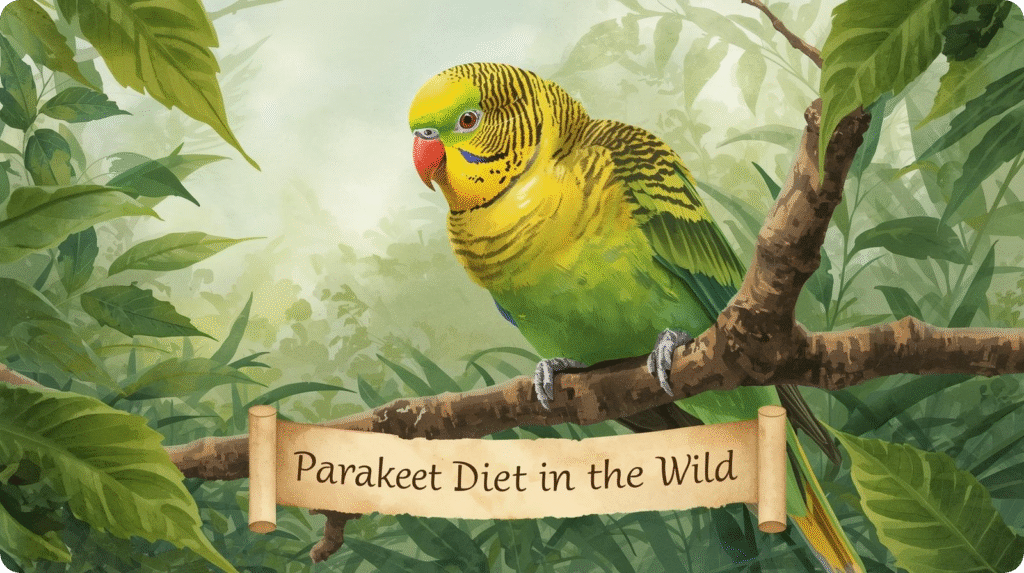
Before we look at the best foods for pet parakeets, let’s first see what they eat in the wild. Wild parakeets, also called budgerigars or budgies, are native to Australia where they inhabit grasslands, scrublands, and open woodlands.
In the wild, what do parakeets eat includes grass seeds, native plant seeds, berries, fruits, vegetation, occasional insects, and flowering plants.
Wild parakeets are opportunistic foragers, traveling in flocks to find food sources that vary seasonally. They spend much of their day foraging, which provides not only nutrition but also mental stimulation and physical exercise. Understanding what do parakeets eat naturally helps us replicate appropriate diets in captivity.
The diversity in what do parakeets eat in the wild is key to their health. They don’t consume just one or two seed types but rather dozens of different seeds, plants, and other foods throughout the year. This variety ensures they receive all necessary nutrients including proteins, carbohydrates, fats, vitamins, and minerals.
Why Diet Diversity Matters
When considering what do parakeets eat for optimal health, diversity is essential. In captivity, parakeets often develop strong preferences for certain foods, particularly high-fat seeds like millet. An all-seed diet misses important nutrients. This can cause serious health issues like obesity, fatty liver disease, vitamin deficiencies, shorter lifespan, and bad feather quality.
Many parakeet health problems stem from poor diet. Knowing what parakeets eat for good nutrition can help avoid problems. This helps your bird live a long, healthy life of 10-15 years or more.
Essential Food #1: High-Quality Pellets
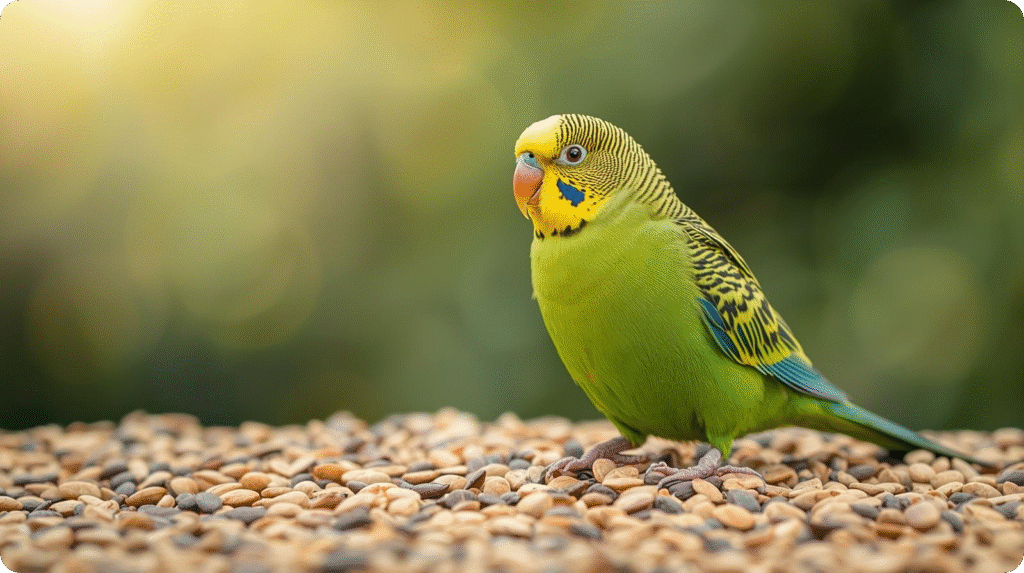
The first essential component of what do parakeets eat should be high-quality pellets. Pellets are nutritionally complete foods specifically formulated to meet parakeet dietary needs. Unlike seeds, which parakeets can selectively eat (choosing favorites and leaving others), pellets ensure balanced nutrition in every bite.
Why Pellets Are Important
Pellets should form the foundation of what do parakeets eat for several reasons:
Complete nutrition: Pellets contain balanced amounts of proteins, carbohydrates, fats, vitamins, and minerals that parakeets need. Each pellet provides the same nutritional value, preventing selective eating.
Prevention of deficiencies: All-seed diets commonly lack vitamin A, calcium, and certain amino acids. Pellets formulated for parakeets address these deficiencies.
Digestive health: Good pellets have the right fiber levels. This helps parakeets digest their food well. Proper digestion is important for their diet.
Weight management: Pellets have lower fat content than seed-only diets, helping maintain healthy weight. Obesity is common in parakeets fed primarily seeds.
Choosing the Right Pellets
Not all pellets are equal when determining what do parakeets eat. Look for:
Size-appropriate pellets: Parakeet-specific or small bird pellets are correctly sized for parakeet beaks. Pellets too large frustrate birds and go uneaten.
Natural colors: Avoid artificially colored pellets. Natural-colored pellets reduce exposure to unnecessary dyes. The bright colors appeal to humans, not birds.
Reputable brands: Choose pellets from established avian nutrition companies with research backing their formulations. Quality matters tremendously in what do parakeets eat.
Organic options: When possible, organic pellets reduce pesticide exposure, though any quality pellet is better than seed-only diets.
Transitioning to Pellets
Many parakeets raised on seed diets resist pellets initially. Since what do parakeets eat becomes habitual, patience is required for diet transitions:
Gradual introduction: Mix small amounts of pellets with current food, slowly increasing pellet proportion over weeks.
Persistence: Continue offering pellets even if initially refused. Some parakeets take months to accept pellets as part of what do parakeets eat regularly.
Variety: If you consistently refuse one type, try different pellet brands and sizes.
Modeling: If you have multiple parakeets, those accepting pellets may encourage reluctant birds.
No starvation: Never withhold food to force pellet consumption. Always ensure parakeets have access to food they’ll eat while transitioning.
Pellets should make up 60-70% of a parakeet’s diet once they are fully transitioned. The rest should include vegetables, fruits, and a small amount of seeds.
Essential Food #2: Fresh Vegetables
Fresh vegetables are the second essential component of what do parakeets eat. Vegetables provide vitamins, minerals, antioxidants, fiber, and hydration that pellets alone cannot fully supply. The variety of vegetables in what do parakeets eat closely mimics the diverse plants they’d encounter naturally.
Best Vegetables for Parakeets
When determining what do parakeets eat for vegetable content, these options are excellent:
Folia obscura et viridia: Kale, collard greens, dandelion greens, romaine lettuce, et spinach (modice) vitam A, calcium, et ferrum praebent. These should be staples in what do parakeets eat for vegetable nutrition.
Orange vegetables: Carrots, sweet potatoes, and butternut squash are rich in beta-carotene (vitamin A). Parakeets enjoy both raw and cooked versions.
Cruciferous vegetables: Broccoli, cauliflower, Brussels sprouts, and cabbage provide vitamins C and K plus beneficial plant compounds. Offer both raw and lightly steamed.
Peppers: Bell peppers (all colors) are vitamin C powerhouses. Parakeets can eat the seeds and membranes safely, unlike humans who often remove them.
Peas and corn: Fresh or frozen (thawed) peas and corn kernels are favorites. These provide protein and carbohydrates.
Green beans: Whether fresh, frozen, or lightly cooked, green beans offer fiber and nutrients. Many parakeets enjoy their crunch.
Zucchini and summer squash: These mild vegetables are well-accepted and provide hydration and nutrients.
Vegetables to Avoid or Limit
Not all vegetables suit what do parakeets eat safely:
Avocado: Extremely toxic to parakeets and all birds. Never include avocado in what do parakeets eat under any circumstances.
Onions and garlic: These alliums damage parakeet red blood cells and should never be part of what do parakeets eat.
Raw beans: Uncooked beans contain toxins harmful to birds. Only feed fully cooked beans.
Mushrooms: While not all are toxic, better avoided since identification mistakes could be fatal.
Iceberg lettuce: While not toxic, iceberg lettuce has minimal nutritional value and can cause digestive upset. Choose darker, nutrient-dense lettuces instead.
Serving Vegetables
How you offer vegetables affects whether they become part of what do parakeets eat regularly:
Fresh daily: Offer vegetables fresh each morning, removing uneaten portions after a few hours to prevent spoiling.
Various preparations: Try raw, lightly steamed, or grated vegetables to find preferences.
Appropriate sizes: Cut vegetables into parakeet-manageable pieces. Small chunks or grated vegetables work well.
Clip holders: Use cage clips to secure vegetable pieces, encouraging foraging behavior.
Mix it up: Rotate vegetable types to provide nutritional variety and prevent boredom.
Vegetables should comprise about 20-25% of what do parakeets eat daily, ensuring diverse color representation for varied nutrients.
Essential Food #3: Fresh Fruits
Fruits are the third essential food in what do parakeets eat. While higher in natural sugars than vegetables, fruits provide unique vitamins, minerals, and antioxidants. In the wild, what do parakeets eat includes seasonal fruits and berries, making them natural components of parakeet diets.
Best Fruits for Parakeets
Excellent fruit choices for what do parakeets eat include:
Berries: Blueberries, strawberries, raspberries, and blackberries are antioxidant-rich and appropriately sized for parakeets. These are among the healthiest options for what do parakeets eat in the fruit category.
Apples: Remove seeds (which contain cyanide compounds) but offer flesh and skin. Apples provide fiber and vitamins.
Grapes: Cut in half to prevent choking. Grapes offer hydration and quick energy. Both red and green varieties work well.
Melons: Cantaloupe, honeydew, and watermelon are hydrating treats. Parakeets enjoy both flesh and can nibble seeds safely.
Bananas: High in potassium and soft texture makes them appealing. Offer small amounts due to high sugar content.
Papaya: Rich in vitamin A and enzymes supporting digestion. Many parakeets love papaya’s sweetness.
Mango: Another vitamin A powerhouse with tropical appeal. Remove pit but flesh is safe and nutritious.
Pears: Like apples, remove seeds but offer flesh. Pears are softer and sometimes preferred by parakeets with beak sensitivities.
Kiwi: High in vitamin C and interesting texture. Some parakeets enjoy kiwi’s unique taste.
Citrus fruits: Oranges, tangerines, and grapefruit in small amounts provide vitamin C. Remove seeds and offer only flesh.
Fruits to Limit or Avoid
While fruits are part of what do parakeets eat, some require caution:
High-sugar fruits: Limit bananas, grapes, and cherries due to high sugar content. These should be occasional treats rather than daily staples in what do parakeets eat.
Avocado: As mentioned, absolutely toxic and never part of what do parakeets eat safely.
Fruit pits and seeds: Apple seeds, cherry pits, apricot pits, and peach pits contain cyanide compounds. Always remove before offering.
Dried fruits: While not toxic, dried fruits concentrate sugars and often contain preservatives. If offering dried fruit, choose organic, unsulfured varieties and limit quantity.
Serving Fruits Appropriately
Fruits should comprise about 5-10% of what do parakeets eat:
Small portions: Offer fruit in small amounts as treats rather than meal replacements. A few berries or small apple slice is appropriate.
Morning offering: Serve fruits in the morning so parakeets have all day to burn the sugar energy.
Remove quickly: Fruit spoils faster than vegetables. Remove uneaten portions within 2-3 hours.
Variety rotation: Rotate fruit types weekly to provide nutritional diversity and maintain interest.
Wash thoroughly: Always wash fruits to remove pesticides before including in what do parakeets eat.
Essential Food #4: Limited Seeds
Seeds are the fourth important part of what parakeets eat. However, many owners think they need larger amounts than they actually do. People once saw seeds as the main food for parakeets. However, modern bird nutrition shows that a diet of only seeds is not enough and can be unhealthy.
Understanding Seeds in Parakeet Diet
Seeds should comprise only 10-15% of what do parakeets eat for several reasons:
High in fat: Most seeds contain excessive fat for captive parakeets. Wild parakeets fly miles daily, burning calories that captive birds don’t. Seed-heavy diets cause obesity.
Nutritionally incomplete: Seeds lack adequate vitamin A, calcium, and certain amino acids. Parakeets eating mostly seeds develop deficiencies.
Selective eating: Parakeets pick favorite seeds (usually high-fat ones like millet) and ignore others, worsening nutritional imbalance.
Addictive nature: Seeds are like junk food for parakeets. Birds raised on seed-only diets often refuse healthier foods, complicating diet improvement.
Best Seeds for Parakeets
When seeds are part of what do parakeets eat, choose wisely:
Millet sprays: While high-fat, millet sprays provide entertainment and foraging opportunities. Use as treats rather than dietary staples.
Canary seed: A good base seed, lower in fat than some alternatives. Quality parakeet seed mixes feature canary seed prominently.
Grass seeds: Various grass seeds provide different nutrients and textures. Wild parakeets consume diverse grass seeds primarily.
Oat groats: Whole oats are nutritious and lower in fat than many seeds. Many parakeets enjoy oat groats.
Quinoa: While technically a pseudograin, cooked quinoa provides complete protein. Some parakeets enjoy both cooked and sprouted quinoa.
Seeds to Limit
Certain seeds should be strictly limited in what do parakeets eat:
Sunflower seeds: Extremely high-fat and addictive. If offering sunflower seeds, limit to 1-2 seeds daily as special treats.
Safflower seeds: High in fat though slightly less than sunflower. Still should be strictly limited.
Pumpkin seeds: While nutritious, also high in fat. Offer occasionally in tiny amounts.
Proper Seed Feeding
If seeds remain part of what do parakeets eat:
Measure portions: Provide only 1-2 teaspoons of seed mix daily for an average parakeet. Many owners overfeed seeds.
Quality mixes: Choose parakeet-specific seed mixes from reputable brands. Cheap mixes often contain excess filler and dust.
Freshness matters: Seeds become rancid with age. Store in airtight containers away from heat and light. Replace seed supplies every few months.
Sprouted seeds: Sprouting seeds increases nutritional value and reduces fat content. Sprouted seeds make excellent additions to what do parakeets eat.
Treat status: Consider seeds as treats and foraging enrichment rather than dietary foundations.
Limiting seeds while increasing pellets, vegetables, and fruits dramatically improves parakeet health and longevity.
Essential Food #5: Healthy Grains and Legumes
Whole grains and legumes are the fifth essential food group in what do parakeets eat. These foods provide complex carbohydrates, plant proteins, fiber, and various micronutrients that round out parakeet nutrition.
Best Grains for Parakeets
Excellent grain options for what do parakeets eat include:
Cooked quinoa: This complete protein grain is highly nutritious and generally well-accepted. Cook without salt or seasoning.
Cooked rice (brown): Brown rice retains fiber and nutrients white rice lacks. Cook until soft and cool before offering.
Oats: Both rolled oats (cooked) and whole oat groats (raw or cooked) work well. Oatmeal makes a warm, comforting food occasionally.
Whole wheat pasta: Cooked pasta in small pieces provides energy. Choose whole wheat for better nutrition. Cook without salt.
Barley: Cooked barley offers fiber and nutrients. Some parakeets enjoy barley’s chewy texture.
Millet (cooked): While millet sprays are treats, cooked millet grain provides nutrition with reduced fat.
Amaranth: This ancient grain cooks quickly and provides complete protein. Try if your parakeet rejects quinoa.
Best Legumes for Parakeets
Legumes add plant protein to what do parakeets eat:
Lentils: Red, green, or brown lentils provide protein and iron. Cook thoroughly without seasonings.
Chickpeas: Also called garbanzo beans, chickpeas are protein-rich. Cooked chickpeas can be offered whole or mashed.
Split peas: Both green and yellow split peas cook quickly and are nutritious. Most parakeets accept them readily.
Black beans: Once fully cooked, black beans provide protein and antioxidants. Never offer raw or undercooked beans.
Kidney beans: Must be very thoroughly cooked. Kidney beans contain high levels of toxins when raw or undercooked.
Preparing Grains and Legumes
Proper preparation is crucial when grains and legumes are part of what do parakeets eat:
Cook thoroughly: All beans must be fully cooked. Undercooked beans contain toxins harmful to parakeets. Grains should also be cooked soft.
No seasonings: Never add salt, butter, oils, or seasonings. Plain preparation only.
Cool before serving: Ensure foods have cooled to room temperature before offering to prevent crop burns.
Small portions: Offer grains and legumes in small amounts, about 1-2 teaspoons daily. These foods supplement rather than replace pellets and vegetables.
Mix with vegetables: Combining cooked grains or legumes with chopped vegetables creates nutritious “chop” that many parakeets love.
Refrigerate extras: Cooked grains and legumes keep 3-4 days refrigerated. Prepare batches and offer small portions daily.
“Chop” Preparations
Many parakeet owners create “chop”—finely chopped or food-processed mixtures combining vegetables, fruits, grains, and legumes. Chop makes what do parakeets eat diverse and convenient:
Standard chop recipe: Combine chopped vegetables (70%), cooked grains or legumes (20%), and fruits (10%). Process to parakeet-appropriate texture.
Batch preparation: Make large batches, portion into ice cube trays or small containers, and freeze. Thaw daily portions as needed.
Texture variation: Some parakeets prefer finely minced chop while others like distinct chunks. Experiment to find preferences.
Nutrient density: Chop packs many nutrients into each bite. This makes it a great addition to a parakeet’s regular diet.
Grains and legumes should comprise about 5-10% of what do parakeets eat, providing variety and balanced nutrition.
Essential Food #6: Protein Sources
Protein sources beyond legumes are the sixth essential component of what do parakeets eat. Parakeets mainly eat grains, but they also eat small amounts of animal protein in the wild. This is especially true during breeding season.
Safe Protein Options
Appropriate protein sources for what do parakeets eat include:
Hard-boiled eggs: Eggs provide complete protein with all essential amino acids. Offer small amounts of chopped hard-boiled egg (including shell for calcium) 1-2 times weekly.
Cooked chicken: Tiny amounts of plain, cooked chicken (no skin, bones, or seasoning) provide animal protein. Limit to occasional treats.
Mealworms: Dried or live mealworms appeal to some parakeets. People especially appreciate these during breeding season. Limit quantity as they’re high in fat.
Yogurt: Plain, unsweetened yogurt in tiny amounts provides protein and probiotics. Not all parakeets tolerate dairy well, so introduce cautiously.
Cottage cheese: Like yogurt, small amounts of plain cottage cheese provide protein and calcium. Offer sparingly.
Protein from Plant Sources
Plant-based proteins should dominate what do parakeets eat for protein:
Legumes: As discussed, beans, lentils, and peas provide substantial plant protein.
Quinoa: Contains all nine essential amino acids, making it a complete protein.
Nuts: Small amounts of unsalted almonds, walnuts, or pecans provide protein and healthy fats. Crush or chop nuts finely and offer sparingly due to high fat content.
Seeds: While limited overall, seeds do contribute protein to what do parakeets eat.
Spirulina: This blue-green algae is protein-rich and nutrient-dense. Some parakeet pellets include spirulina, or you can offer small amounts mixed with other foods.
Protein Requirements
Parakeets require moderate protein levels:
Maintenance: Non-breeding adult parakeets need about 12-14% protein in their total diet. Quality pellets provide baseline protein.
Breeding: Breeding pairs require increased protein (15-18%) for egg production and chick rearing. Offer additional protein sources during breeding season.
Growing birds: Young parakeets need higher protein (16-18%) for growth. Ensure weaned chicks receive adequate protein.
Balance: Too much protein can stress kidneys. Follow guidelines for what do parakeets eat rather than assuming more protein is always better.
Serving Protein Foods
When protein sources are part of what do parakeets eat:
Limited quantities: Animal proteins should be occasional treats, not daily staples. Most protein comes from pellets, legumes, and nuts.
Fresh only: Remove uneaten protein sources (especially eggs and dairy) within 1-2 hours to prevent bacterial growth.
Observe reactions: Some parakeets develop digestive upset from dairy. Monitor droppings when introducing new protein sources.
Breeding season focus: Increase protein offerings when parakeets are breeding or molting, times of increased nutritional demand.
Protein sources should make up 5-10% of what do parakeets eat beyond the protein already in pellets and other foods.
Essential Food #7: Calcium and Mineral Sources
Calcium and mineral sources are the seventh essential component of what do parakeets eat. While other foods provide some minerals, specific supplementation ensures adequate intake, particularly for breeding females and growing birds.
Why Calcium Matters
Calcium is crucial in what do parakeets eat for:
Bone health: Calcium builds and maintains strong bones throughout life.
Egg production: Breeding females need substantial calcium for eggshell formation. Deficiency causes egg binding, a life-threatening condition.
Muscle function: Calcium enables proper muscle contraction, including heart muscle.
Blood clotting: Calcium plays roles in blood clotting and healing.
Nervous system: Calcium supports nerve signal transmission.
Calcium Sources for Parakeets
Appropriate calcium sources in what do parakeets eat include:
Cuttlebone: Natural cuttlebone provides calcium plus beak conditioning. Attach cuttlebone to cage bars where parakeets can access it freely.
Mineral blocks: Manufactured mineral blocks provide calcium and trace minerals. Choose parakeet-specific blocks without artificial colors or excessive salt.
Crushed eggshells: Bake eggshells at 250°F for 20 minutes, cool, and crush finely. Sprinkle small amounts on food or offer in separate dishes.
Calcium-rich vegetables: Dark leafy greens, like kale and collards, give parakeets the calcium they need in their diet.
You can add veterinarian-recommended calcium supplements to water or sprinkle them on food. Follow dosage instructions carefully.
Other Essential Minerals
Beyond calcium, what do parakeets eat should include:
Iodine: Important for thyroid function. Iodine deficiency causes goiters in parakeets. Mineral blocks and pellets typically include iodine.
Iron: Necessary for blood health. Dark leafy greens and legumes provide iron. Be cautious with iron supplements as excess causes problems.
Zinc: Supports immune function and healing. Whole grains and legumes provide zinc.
Selenium: An antioxidant supporting immune health. Present in whole grains and some vegetables.
Phosphorus: Works with calcium for bone health. Seeds and grains provide phosphorus, but proper calcium-to-phosphorus ratio matters.
Calcium and Mineral Balance
Simply adding minerals to what do parakeets eat isn’t enough—balance matters:
Calcium-phosphorus ratio: Ideal ratio is about 2:1 (calcium to phosphorus). All-seed diets often contain high levels of phosphorus, which creates an imbalance even if calcium is offered.
Vitamin D: Enables calcium absorption. Parakeets synthesize vitamin D from appropriate full-spectrum lighting or obtain it from fortified pellets.
Avoid excess: While deficiency is common, excessive mineral supplementation causes problems. Follow recommended amounts for what do parakeets eat.
Providing Minerals
Best practices for mineral provision:
Always available: Keep cuttlebone or mineral blocks available constantly. Parakeets self-regulate calcium intake when healthy.
Multiple sources: Offer both cuttlebone and dietary calcium from vegetables.
UVB lighting: Full-spectrum lighting with UVB helps calcium metabolism. Position lights properly and replace according to manufacturer schedules.
Monitor intake: Watch whether parakeets use cuttlebone. Unused cuttlebone may indicate preferences for different textures or placement.
Breeding focus: Ensure breeding females have ample calcium access before, during, and after egg-laying.
Mineral sources ensure what do parakeets eat provides complete nutrition, particularly for calcium-intensive processes like egg-laying.
Complete Nutritional Comparison Table
| Food Category | Percentage of Daily Diet | Key Nutrients Provided | Serving Frequency | Preparation Notes |
|---|---|---|---|---|
| High-Quality Pellets | 60-70% | Complete balanced nutrition, vitamins A, D, E, K, B-complex, calcium, protein | Daily, always available | Choose parakeet-specific size, natural colors preferred |
| Fresh Vegetables | 20-25% | Vitamins A, C, K, calcium, fiber, antioxidants, hydration | Daily, morning fresh serving | Wash thoroughly, remove after few hours, variety essential |
| Limited Seeds | 10-15% | Fats, some protein, vitamin E, entertainment/enrichment | Daily in measured portions | 1-2 teaspoons only, quality fresh mixes, treat status |
| Fresh Fruits | 5-10% | Vitamins C, A, antioxidants, natural sugars, hydration | Daily in small amounts | Remove seeds/pits, limit high-sugar varieties, wash well |
| Grains & Legumes | 5-10% | Complex carbohydrates, plant protein, fiber, B vitamins | Several times weekly | Always cook thoroughly, no seasonings, cool before serving |
| Protein Sources | 5-10% | Complete amino acids, supports breeding/molting | 1-2 times weekly | Small portions, remove quickly if animal-based |
| Calcium/Minerals | Always available | Calcium, iodine, trace minerals, supports bones/eggs | Continuous access | Cuttlebone always present, mineral block option |
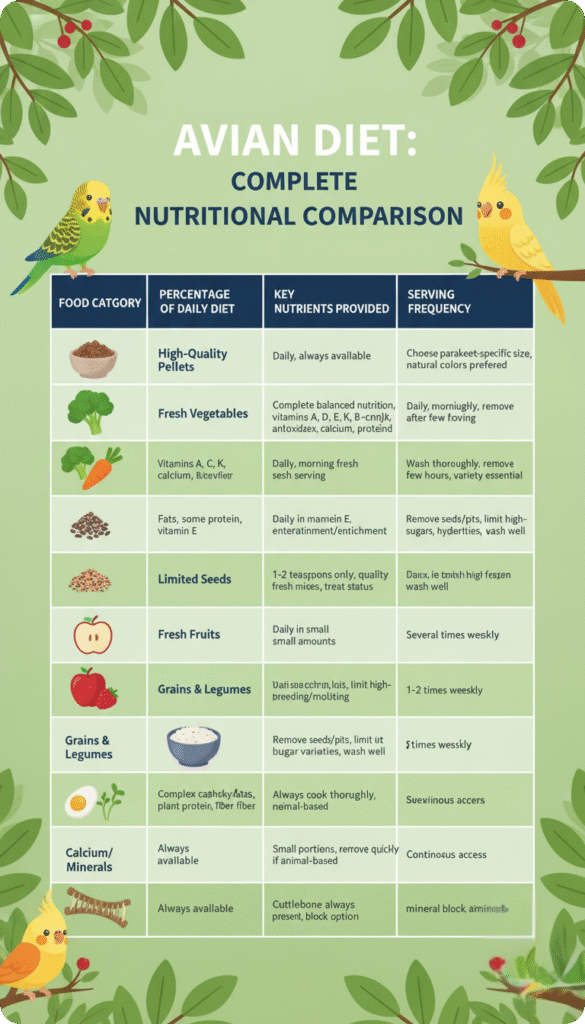
Total = 100% + always-available minerals
This table shows the balanced approach to what do parakeets eat for optimal health. Note that percentages refer to actual consumption, not just what’s offered. Some trial and error helps determine individual parakeet preferences while maintaining nutritional balance.
Common Dietary Mistakes to Avoid
Understanding what do parakeets eat correctly also means knowing what mistakes to avoid:
Mistake #1: All-Seed Diet
The most common error is feeding only seeds. This antiquated approach to what do parakeets eat causes:
- Severe vitamin A deficiency leading to respiratory infections and immune problems
- Calcium deficiency risking egg-binding in females
- Obesity from excessive fat
- Fatty liver disease
- Significantly shortened lifespan (often by 5-10 years)
Mistake #2: Inconsistent Fresh Food Offering
Some owners offer vegetables once weekly, wondering why parakeets refuse them. What do parakeets eat becomes habitual.
Irregular offerings lead to rejection. Offer fresh foods daily, even if initially refused. Consistency develops acceptance.
Mistake #3: Unbalanced Variety
Offering only one vegetable type or fruit variety limits nutrition. What do parakeets eat should be diverse. Rotate options to provide different nutrient profiles. No single food contains everything parakeets need.
Mistake #4: Toxic Food Mistakes
Accidentally offering toxic foods like avocado, chocolate, caffeine, alcohol, or raw beans can be fatal. Learn what do parakeets eat safely versus what’s poisonous. When uncertain, research before offering.
Mistake #5: Improper Food Preparation
Leaving fresh foods too long causes bacterial growth and spoiling. Offering cooked foods too hot causes crop burns. Failing to wash produce exposes parakeets to pesticides. Proper preparation matters as much as what do parakeets eat.
Mistake #6: Forced Diet Changes
Abruptly removing all familiar foods to force pellet consumption is dangerous. Parakeets can starve rather than eat unfamiliar foods. Gradual transitions over weeks or months ensure safe dietary improvements in what do parakeets eat.
Mistake #7: Treating Human Foods
Sharing human food can create bonds, but it exposes parakeets to salt, sugar, fats, and seasonings that are not good for them. Offer only bird-appropriate foods prepared specifically for them.
Encouraging Healthy Eating Habits
Making what do parakeets eat align with nutritional recommendations requires strategy:
Making Fresh Foods Appealing
Presentation matters: Hang vegetables from clips, thread them on skewers, or place them in interesting foraging toys.
Eat with them: Parakeets are flock animals. Eating vegetables yourself while your parakeet watches may encourage trying.
Start young: Caregivers should expose hand-fed babies to diverse foods during weaning. Early exposure makes adult acceptance easier.
Persistence: Parakeets may need 10-15 exposures before trying new foods. Keep offering even when initially refused.
Different preparations: Try vegetables raw, steamed, grated, or chopped. Different textures appeal to different parakeets.
Transitioning to Better Diets
Gradual mixing: When improving what do parakeets eat, mix new foods with accepted foods in increasing proportions.
Morning hunger: Offer new foods first thing in the morning when parakeets are hungriest.
Remove temptations temporarily: Limit high-fat seed availability when introducing pellets. Ensure parakeets are eating enough, but reduce seed access to create motivation.
Companion influence: Multi-bird households benefit from peer pressure. Birds eating pellets or vegetables encourage others.
Patience: Diet transitions take weeks or months. Stay committed to improving what do parakeets eat even when progress seems slow.
Frequently Asked Questions About What Do Parakeets Eat
What do parakeets eat as their main food?
Parakeets should eat high-quality pellets as their main food, comprising 60-70% of their diet. Pellets provide complete, balanced nutrition unlike all-seed diets. Add fresh vegetables (20-25%) to the pellets.
Use limited fruits (5-10%) and small amounts of seeds (10-15%). This will provide variety and help keep your pet healthy. This balanced approach to what do parakeets eat prevents the nutritional deficiencies common with seed-only diets.
Can parakeets eat only seeds?
No, parakeets should not eat only seeds. While what do parakeets eat in the wild includes seeds, they consume diverse seeds alongside vegetation, fruits, and other foods. All-seed diets in captivity are nutritionally incomplete, causing vitamin A deficiency, calcium deficiency, obesity, liver disease, and significantly shortened lifespans. Seeds should be treats and supplements, not primary food.
What vegetables can parakeets eat daily?
Parakeets can eat dark leafy greens like kale, collards, and romaine. They can also have carrots, sweet potatoes, and bell peppers. Other good foods include broccoli, cauliflower, peas, corn, green beans, and squash. These foods are safe for them to eat every day.
Rotate varieties for nutritional diversity. Avoid avocado (toxic), onions, garlic, and iceberg lettuce (low nutrition).
When considering what do parakeets eat for vegetables, variety and freshness are key. Wash all produce thoroughly and remove uneaten portions after a few hours.
What fruits are safe for parakeets?
Safe fruits for parakeets are berries like blueberries, strawberries, and raspberries. They can also eat apples without seeds. Grapes should be cut in half. Other safe fruits include melons, bananas, papaya, mango, and pears without seeds.
Give them citrus fruits in small amounts.
Always remove pits and seeds from fruits like apples, cherries, and peaches as these contain toxins. Offer fruits in small amounts (5-10% of diet) due to sugar content. When determining what do parakeets eat for treats, fruits are excellent choices.
Can parakeets eat rice and pasta?
Yes, parakeets can eat cooked rice (preferably brown rice) and whole wheat pasta in small amounts. Cook without salt, butter, or seasonings.
Cool completely before offering. Cooked grains provide complex carbohydrates and you can mix them with vegetables to create nutritious meals. Grains and legumes should comprise about 5-10% of what do parakeets eat, offering variety beyond pellets.
How much should I feed my parakeet daily?
An average parakeet eats about 1.5-2 tablespoons (30-40 grams) of food daily. Offer pellets freely (about 2 tablespoons), fresh vegetables (1-2 tablespoons), limited fruit (1 teaspoon), and minimal seeds (1-2 teaspoons).
Individual needs vary based on size, activity, and health. Monitor weight and body condition regularly. Parakeets’ food needs vary based on their metabolism. The goal is to prevent obesity while providing enough nutrition.
What do parakeets eat in the wild vs. captivity?
Wild parakeets eat primarily grass seeds, native Australian plant seeds, occasional vegetation, fruits, berries, and sometimes insects. They forage constantly, flying miles daily. Captive parakeets should eat pellets as a foundation with vegetables, fruits, limited seeds, grains, and occasional protein sources.
Parakeets eat a variety of foods in the wild. This variety should be matched in captivity. However, pellets can replace the need for constant searching for food.
Can parakeets drink anything besides water?
Fresh, clean water should be the only drink for parakeets. Never offer caffeinated beverages, alcohol, milk, juice, or sugary drinks. Change water daily, wash dishes thoroughly, and ensure constant access.
Conclusion
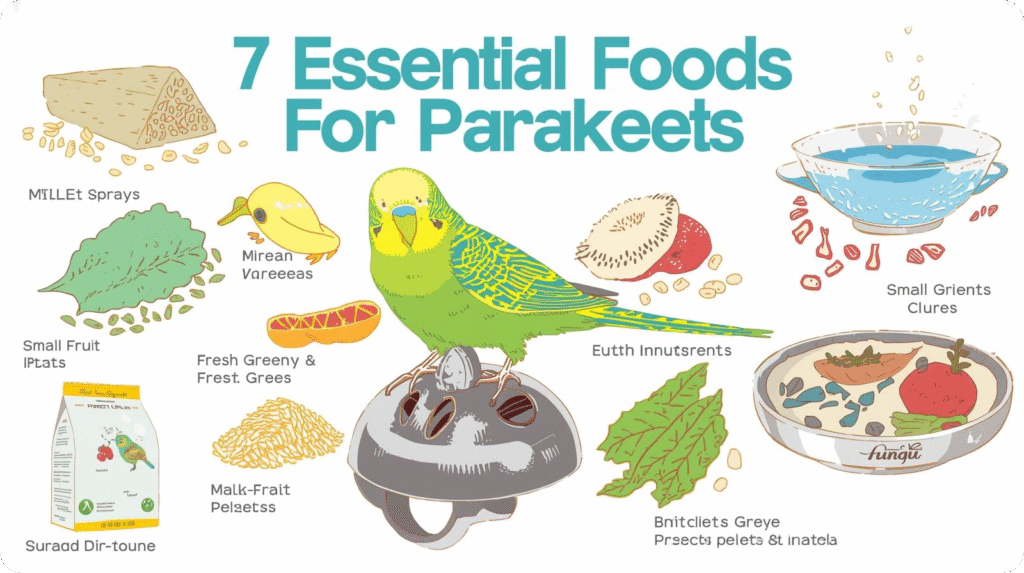
Understanding what do parakeets eat is fundamental to providing excellent care for these delightful birds. The guide lists seven important foods. They are:
1. High-quality pellets
2. Fresh vegetables
3. Fresh fruits
4. Limited seeds
5. Healthy grains
6. Legumes
7. Good sources of protein and minerals These foods work together to create a complete diet. This diet helps parakeets live long, healthy, and happy lives.
The answer to “what do parakeets eat” has evolved significantly as avian nutrition science has advanced. We now know that seed-only diets, once thought to be normal, are harmful. They cause nutritional deficiencies and shorten lifespans.
Today, we know that parakeets should eat pellets as their main food. They also need a variety of fresh foods. These foods give them vitamins, minerals, antioxidants, and enrichment.
Transitioning your parakeet to an optimal diet requires patience, persistence, and commitment. Parakeets develop strong food preferences, and changing what do parakeets eat habitually takes time. However, the investment in proper nutrition pays dividends in your bird’s health, vibrancy, and longevity. Parakeets fed balanced diets regularly live 10-15 years or more, compared to 5-8 years for birds on poor diets.
Parakeets should eat a variety of foods, just like they would in nature. In the wild, they search for different seeds, plants, and other foods every day. By offering pellets, rotating vegetables, providing limited fruits, controlling seed portions, and ensuring adequate calcium, you recreate this nutritional diversity in captivity.
Every parakeet is an individual with unique preferences, but all parakeets require the same fundamental nutrients. The comparison table and guidelines give a framework for what parakeets should eat. You can adjust this based on your bird’s needs and responses. Regular veterinary check-ups, including nutritional consultations with avian veterinarians, help fine-tune your parakeet’s diet for their individual requirements.
Watching a healthy parakeet is a joy. They are alert, active, and beautifully feathered. They engage with their environment. This makes the effort to provide good nutrition worthwhile.
When people ask, “What do parakeets eat?” you can confidently say that their nutrition is more than just seeds. It involves carefully choosing different, healthy foods. You should present these foods in ways that support your bird’s natural foraging and eating habits.
Leave a Reply