


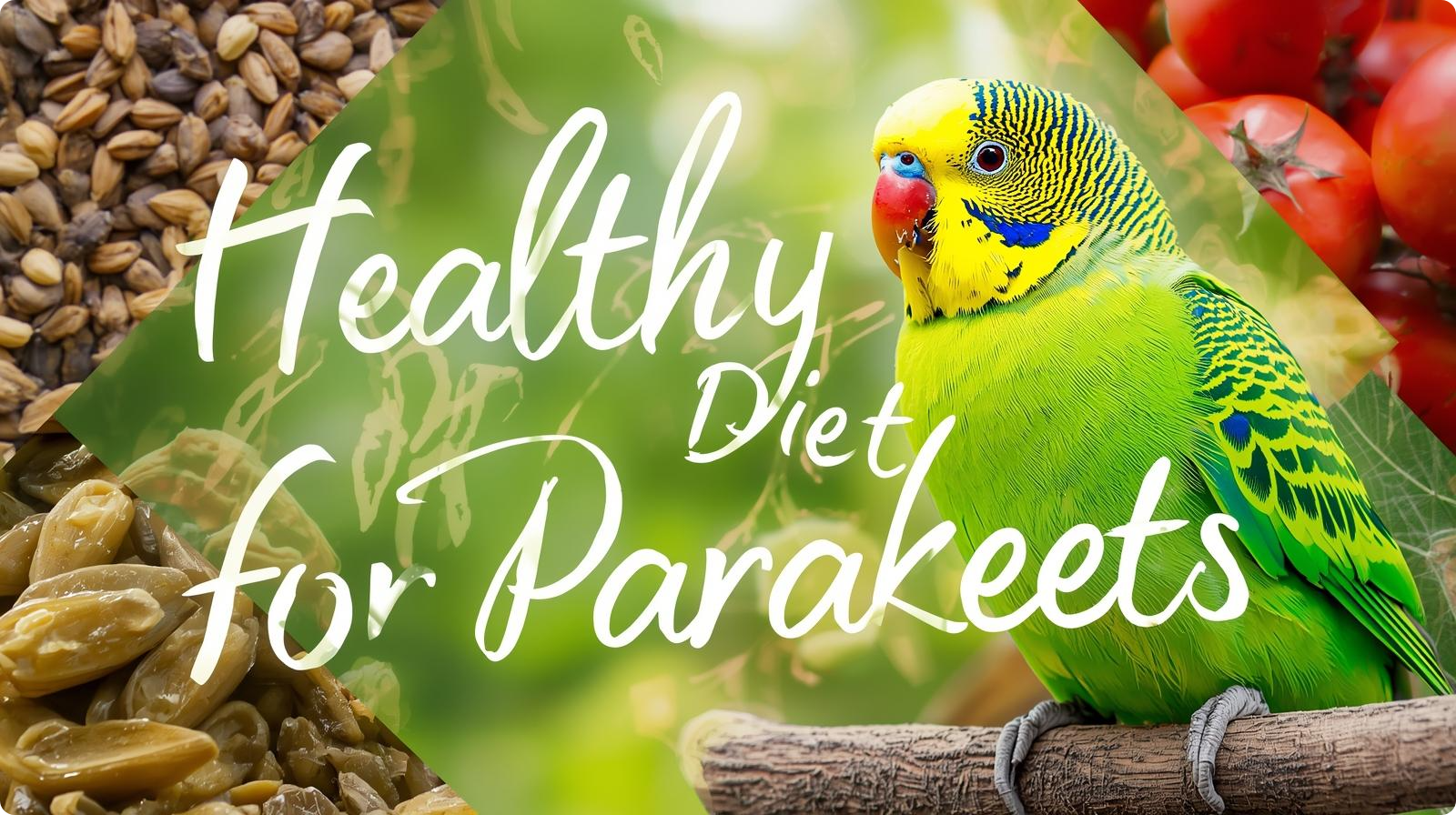
Are you wondering what can parakeets eat to keep them healthy and happy? Understanding what can parakeets eat is crucial for their wellbeing and longevity. The right diet makes the difference between a thriving bird and one that struggles with health problems. When you know what can parakeets eat, you can provide the perfect nutrition for your feathered friend.
Many parakeet owners make mistakes about what can parakeets eat, relying too heavily on seeds or missing important nutrients. This complete guide answers all your questions about what can parakeets eat, from safe vegetables and fruits to dangerous foods you must avoid. Let’s explore what can parakeets eat for a long, healthy, vibrant life!
Understanding What Can Parakeets Eat: The Basics
Before diving into specific foods, let’s understand the foundation of what can parakeets eat.
In the wild, parakeets eat a varied diet. They forage for seeds, grasses, fruits, vegetables, and even insects. When considering what can parakeets eat in captivity, we should mimic this natural variety.
The Core Components of What Can Parakeets Eat:
Modern avian nutrition shows that what can parakeets eat should include:
- High-quality pellets (60-70% of diet)
- Fresh vegetables (20-30% of diet)
- Limited seeds (10% or less)
- Occasional fruits (5% as treats)
- Clean, fresh water always available
This balanced approach to what can parakeets eat ensures they get all necessary nutrients without excess fat or deficiencies.
Can Parakeets Eat Pellets?
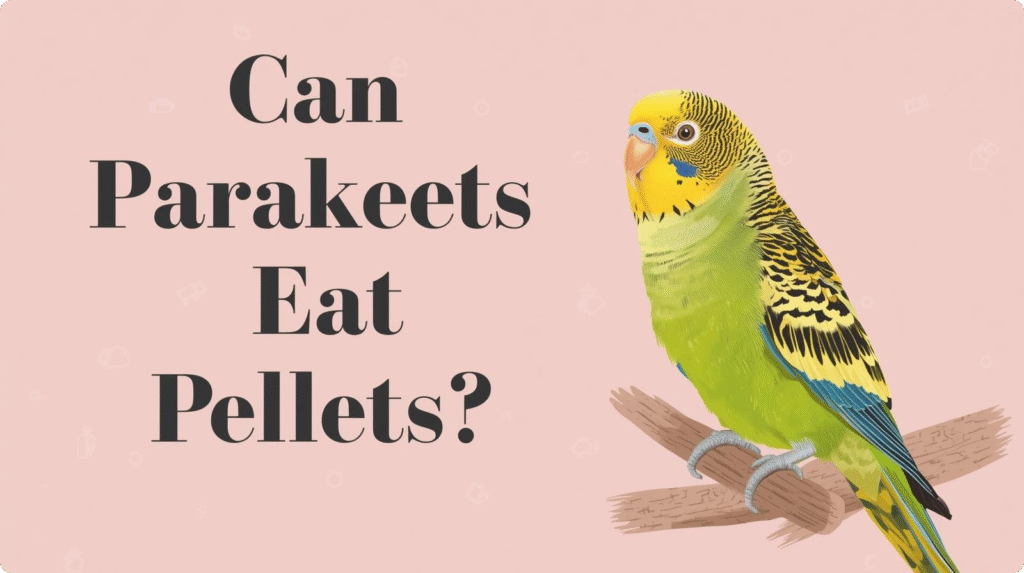
When asking what can parakeets eat as their main food, pellets top the list.
Why Pellets Are Important in What Can Parakeets Eat:
High-quality pellets are formulated to provide complete nutrition. They contain vitamins, minerals, proteins, and carbohydrates in proper proportions. Unlike seeds, pellets prevent selective eating where parakeets pick only their favorites.
Choosing the Right Pellets:
When deciding what can parakeets eat for pellets, look for:
- Natural ingredients without artificial colors
- No added sugars
- Appropriate size for parakeets
- Reputable brands (Harrison’s, Roudybush, TOP’s)
Transitioning to Pellets:
Many parakeets resist pellets at first. Gradually mix pellets with seeds, increasing pellets and decreasing seeds over 2-3 weeks. This patient approach to what can parakeets eat ensures they accept healthier food.
What Can Parakeets Eat: Safe Vegetables
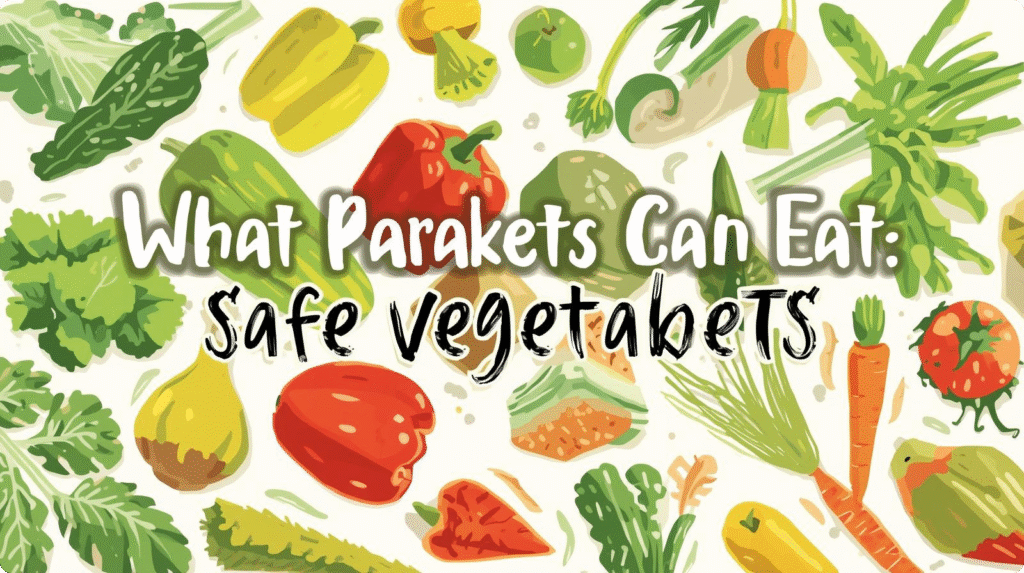
Vegetables are vital in what can parakeets eat daily. They provide essential vitamins, minerals, and fiber.
Leafy Greens Parakeets Can Eat
When considering what can parakeets eat for greens, these are excellent:
Kale: Rich in calcium, vitamin A, and antioxidants. One of the best answers to what can parakeets eat daily.
Spinach: High in iron and vitamins. Offer in moderation (2-3 times weekly) due to oxalates.
Lettuce (Romaine): Hydrating and safe. Iceberg lettuce has less nutrition, so romaine is better for what can parakeets eat.
Swiss Chard: Packed with nutrients. A colorful addition to what can parakeets eat.
Dandelion Greens: Highly nutritious! Wild or store-bought (pesticide-free) are great for what can parakeets eat.
Root Vegetables in What Can Parakeets Eat
Carrots: Excellent source of beta-carotene. Offer raw and grated or cooked and chopped for what can parakeets eat.
Sweet Potato: It is high in vitamins A and C. Cook it without seasoning before giving it to parakeets.
Beets: Nutrient-dense but messy! Include occasionally in what can parakeets eat.
Other Safe Vegetables
Broccoli: Loaded with vitamins C and K. Both florets and stems work for what can parakeets eat.
Bell Peppers: All colors are safe! High in vitamin C. A colorful answer to what can parakeets eat.
Cucumber: Hydrating and refreshing. A safe, low-calorie option for what can parakeets eat.
Zucchini: Mild and nutritious. Include in what can parakeets eat rotation.
Peas: Fresh or frozen (thawed), peas are protein-rich additions to what can parakeets eat.
Green Beans: Safe and nutritious. Steam or offer raw for what can parakeets eat.
What Can Parakeets Eat: Safe Fruits
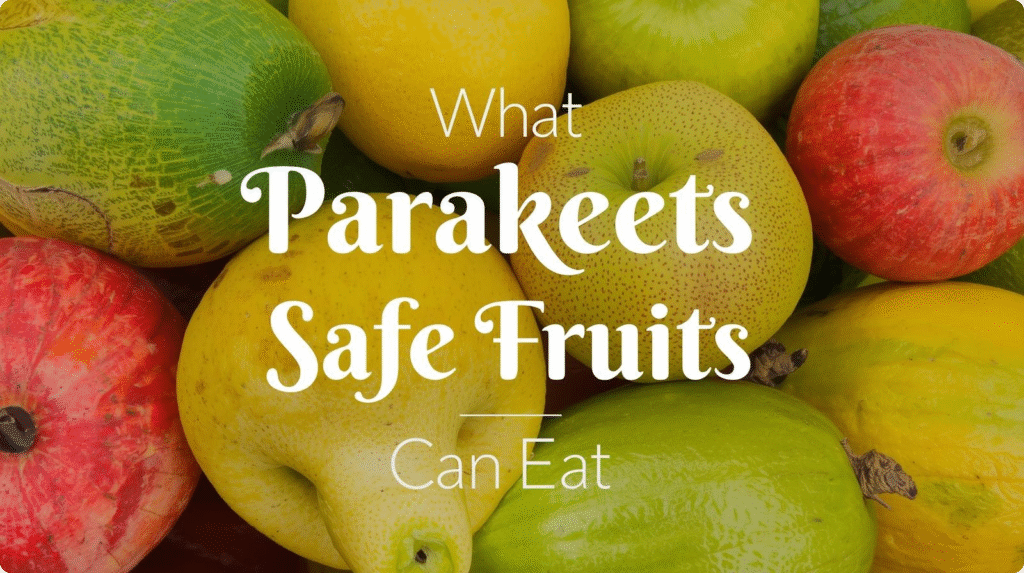
Fruits answer “what can parakeets eat for treats?” but should be limited due to sugar content.
Best Fruits for What Can Parakeets Eat
Apples: Remove seeds first! Apple flesh is safe and loved by most parakeets. A crispy option for what can parakeets eat.
Berries: Blueberries, strawberries, raspberries, and blackberries are antioxidant-rich answers to what can parakeets eat.
Grapes: Cut in half to prevent choking. Seedless grapes are perfect for what can parakeets eat.
Melon: Watermelon, cantaloupe, and honeydew (remove seeds) provide hydration in what can parakeets eat.
Banana: High in potassium but also sugar. Offer small pieces rarely for what can parakeets eat.
Mango: Remove pit and skin. The flesh is a tropical treat for what can parakeets eat.
Papaya: Digestive enzymes make this beneficial for what can parakeets eat occasionally.
Pear: Remove seeds. Similar to apples in what can parakeets eat.
Orange: Remove peel and seeds. Citrus provides vitamin C for what can parakeets eat.
Kiwi: Packed with nutrients. Include rarely in what can parakeets eat.
Fruit Serving Guidelines
When considering what can parakeets eat in fruits:
- Offer 1-2 times weekly
- Keep portions small (1-2 teaspoons)
- Remove uneaten fruit within 2 hours
- Wash thoroughly before serving
What Can Parakeets Eat: Seeds and Grains
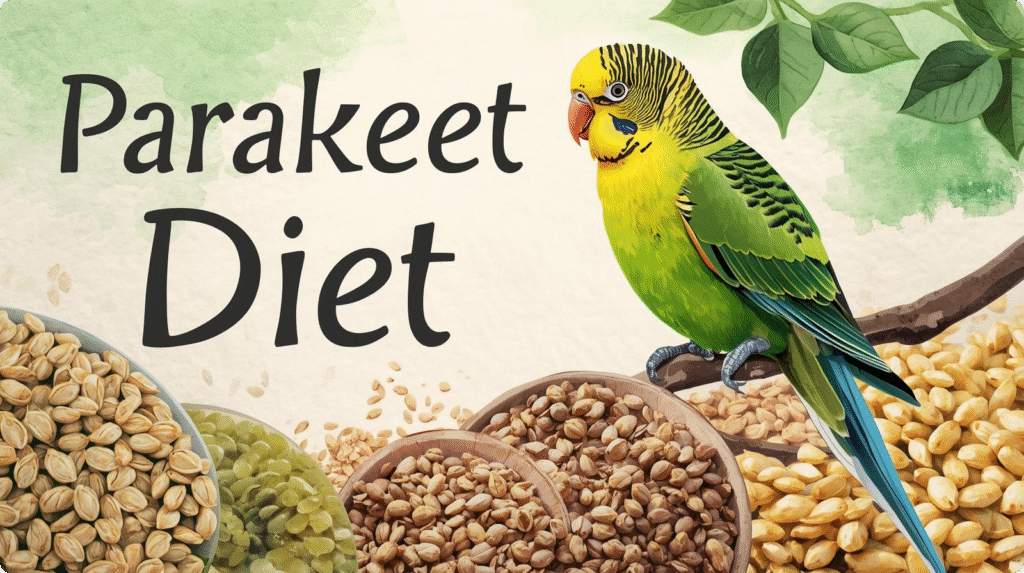
Seeds have a place in what can parakeets eat, but shouldn’t dominate the diet.
Safe Seeds in What Can Parakeets Eat
Millet: Parakeets love millet! Use as training treats rather than main food in what can parakeets eat.
Canary Seed: A healthy seed option for what can parakeets eat in moderation.
Oat Groats: Whole oats are nutritious additions to what can parakeets eat.
Quinoa: Cooked quinoa (no seasoning) provides complete protein for what can parakeet eat.
Why Limit Seeds?
All-seed diets cause problems. Seeds are high in fat and lack essential nutrients. When seeds dominate what can parakeets eat, birds develop obesity, liver disease, and vitamin deficiencies.
Limit seeds to 10% or less of what can parakeet eat total.
Healthy Grains
Cooked Rice: Brown rice (no seasoning) is safe for what can parakeet eat.
Whole Wheat Pasta: Plain, cooked pasta occasionally fits what can parakeet eat.
Oatmeal: Plain, cooked oats provide fiber for what can parakeet eat.
What Can Parakeets Eat: Protein Sources
Protein is important in what can parakeet eat, especially during molting or breeding.
Safe Protein Options
Eggs: Hard-boiled eggs (including shell) provide calcium and protein for what can parakeet eat.
Legumes: Cooked lentils, chickpeas, and beans (no seasoning) add protein to what can parakeet eat.
Tofu: Plain, firm tofu in small amounts works for what can parakeet eat.
Nuts (Limited): Unsalted almonds, walnuts, or pecans occasionally. Due to high fat, nuts are rare treats in what can parakeet eat.
What Can Parakeets Eat: Special Additions
Some foods serve special purposes in what can parakeet eat.
Calcium Sources
Cuttlebone: Always available! Essential for what can parakeet eat for calcium.
Mineral Block: Provides minerals beyond what can parakeet eat in regular food.
Crushed Eggshell: Baked and crushed eggshells supplement what can parakeet eat for calcium.
Herbs and Sprouts
Fresh Herbs: Parsley, cilantro, basil, and oregano add variety to what can parakeet eat.
Sprouts: Alfalfa, mung bean, and other sprouts are nutrient-dense options for what can parakeet eat.
What Can Parakeets NOT Eat: Dangerous Foods
Knowing what can parakeet eat means also knowing what they CAN’T eat.
Toxic Foods to Avoid
Avocado: NEVER include in what can parakeet eat. Highly toxic to birds!
Chocolate: Deadly to parakeets. Never part of what can parakeet eat.
Caffeine: Coffee, tea, and soda are dangerous. Not in what can parakeets eat.
Salt: Even small amounts harm parakeets. No salty foods in what can parakeet eat.
Alcohol: Extremely toxic. Never in what can parakeets eat.
Onions and Garlic: Cause blood problems. Not safe for what can parakeet eat.
Apple Seeds: Contain cyanide. Remove before including apples in what can parakeet eat.
Fruit Pits: Cherry, peach, apricot pits are toxic. Not in what can parakeets eat.
Raw Beans: Toxic until cooked. Only cooked beans in what can parakeets eat.
Mushrooms: Many are toxic. Exclude from what can parakeet eat.
Questionable Foods
Dairy: Parakeets are lactose intolerant. Small amounts of yogurt occasionally might be okay, but generally avoid dairy in what can parakeet eat.
Bread: Little nutritional value. If included in what can parakeet eat, only whole grain and rarely.
Honey: Can contain harmful bacteria. Better excluded from what can parakeet eat.
What Can Parakeets Eat Comparison Table
| Food Category | Examples | Frequency | Portion Size | Benefits | Cautions |
|---|---|---|---|---|---|
| Pellets | Harrison’s, Roudybush, TOP’s | Daily | 1-2 tablespoons | Complete nutrition | Transition slowly |
| Leafy Greens | Kale, romaine, dandelion | Daily | 1-2 leaves | Vitamins A, C, K, calcium | Wash thoroughly |
| Other Vegetables | Carrots, broccoli, peppers | Daily | 1-2 tablespoons | Various vitamins, fiber | No seasoning |
| Seeds | Millet, canary seed | Daily (limited) | 1 teaspoon | Energy, some nutrients | High fat, limit to 10% |
| Calcium | Cuttlebone, eggshell | Always available | As desired | Bone health, egg production | None |
| Grains | Quinoa, rice, oats | 2-3x weekly | 1 teaspoon | Carbs, some protein | Cook without seasoning |
| Protein | Eggs, legumes, tofu | 2-3x weekly | ½ teaspoon | Protein, calcium | Fully cook legumes |
| Fruits | Apples, berries, grapes | 1-2x weekly | 1-2 teaspoons | Antioxidants, vitamins | High sugar, remove seeds |
| Treats | Nuts, millet spray | 1-2x weekly | Very small amounts | Training rewards | Very high fat |
Knowing what can parakeet eat is only half the battle. Presentation matters!
Preparation Tips
Wash Everything: All produce in what can parakeet eat must be thoroughly washed.
Remove Seeds/Pits: Always remove toxic seeds and pits from what can parakeet eat.
Appropriate Size: Chop foods into parakeet-sized pieces for what can parakeet eat.
No Seasoning: Never add salt, sugar, oils, or spices to what can parakeet eat.
Fresh Is Best: Serve what can parakeet eat fresh. Remove uneaten food within 2-4 hours.
Serving Methods
Food Clips: Attach leafy greens and vegetables to cage bars for what can parakeet eat.
Foraging Toys: Hide foods in toys to make what can parakeet eat more engaging.
Separate Dishes: Use different bowls for pellets, fresh foods, and what can parakeet eat daily.
Mix It Up: Vary what can parakeet eat to prevent boredom and ensure complete nutrition.
Creating a Weekly Menu of What Can Parakeets Eat
Here’s a sample week showing what can parakeet eat for variety:
Monday: Pellets + kale + carrots + small apple piece
Tuesday: Pellets + romaine + broccoli + blueberries
Wednesday: Pellets + spinach + bell pepper + cooked quinoa
Thursday: Pellets + dandelion greens + cucumber + hard-boiled egg
Friday: Pellets + Swiss chard + peas + small grape halves
Saturday: Pellets + kale + sweet potato + millet spray treat
Sunday: Pellets + romaine + zucchini + strawberry
This variety shows what can parakeet eat throughout the week while maintaining balanced nutrition.
Common Mistakes About What Can Parakeets Eat
Avoid these errors when deciding what can parakeet eat:
Mistake 1: All-Seed Diet Seeds alone don’t meet nutritional needs. Diversify what can parakeet eat beyond just seeds.
Mistake 2: No Fresh Foods Pellets alone aren’t enough. Include vegetables in what can parakeet eat daily.
Mistake 3: Too Much Fruit Fruit sugar causes obesity. Limit fruits in what can parakeet eat to treats only.
Mistake 4: Not Removing Uneaten Food Spoiled food causes illness. Always remove old food from what can parakeets eat.
Mistake 5: Human Food Sharing Many human foods are toxic. Stick to safe options for what can parakeets eat.
Mistake 6: Inconsistent Diet Variety is important. Rotate what can parakeet eat to ensure complete nutrition.
Signs Your Parakeet Is Eating Well
How do you know what can parakeet eat is working?
Healthy Indicators
Bright Eyes: Alert, clear eyes show good nutrition from what can parakeet eat.
Smooth Feathers: Sleek, colorful plumage indicates what can parakeet eat is adequate.
Active Behavior: Energy and playfulness result from proper what can parakeet eat.
Good Appetite: Eagerness to eat suggests what can parakeet eat is appealing and adequate.
Healthy Droppings: Normal droppings indicate what can parakeet eat is being digested well.
Appropriate Weight: Maintaining healthy weight shows what can parakeet eat is balanced.
Warning Signs
Fluffed Feathers: May indicate illness from poor what can parakeet eat.
Lethargy: Low energy can result from deficient what can parakeet eat.
Feather Plucking: Sometimes caused by nutritional problems in what can parakeet eat.
Weight Loss: Serious concern requiring vet visit and diet review of what can parakeet eat.
Transitioning to Better Foods
If your parakeet eats poorly, gradually improve what can parakeet eat.
Steps to Improve Diet
Week 1-2: Mix small amounts of pellets with current what can parakeet eat.
Week 3-4: Increase pellet ratio while decreasing seeds in what can parakeets eat.
Week 5-6: Introduce vegetables to what can parakeet eat, starting with sweeter options like carrots.
Week 7-8: Add variety of vegetables and occasional fruits to what can parakeet eat.
Week 9+: Maintain balanced diet with 60-70% pellets, 20-30% vegetables in what can parakeet eat.
Tips for Picky Eaters
Eat Together: Parakeets often try what can parakeet eat when they see you eating similar foods.
Offer Repeatedly: Present new foods 10-15 times. What can parakeet eat expands with patience.
Try Different Textures: Offer raw, cooked, grated, and chopped to find preferences in what can parakeets eat.
Use Millet: Sprinkle millet on vegetables to encourage trying new what can parakeet eat.
Frequently Asked Questions About What Can Parakeets Eat
Q: What can parakeets eat from my kitchen?
A: Many kitchen foods are safe for parakeet to eat! You can give them plain cooked rice, oatmeal, and whole wheat pasta.
Just make sure these foods have no seasoning. Hard-boiled eggs and most fresh vegetables and fruits are also good options.
Parakeets can eat many foods from your kitchen. They enjoy leafy greens, carrots, broccoli, and bell peppers. They can also have apples (without seeds), berries, and melons (without seeds).
Always wash produce thoroughly. What can parakeet eat safely excludes avocado, chocolate, caffeine, salt, onions, garlic, and anything with seasoning. The key to what can parakeet eat from your kitchen is fresh, plain, and parakeet-safe foods!
Q: Can parakeets eat bread and pasta?
A: Yes, but rarely. Whole grain bread and plain pasta can occasionally be part of what can parakeets eat, but they offer little nutrition. If including bread in what can parakeet eat, choose whole wheat without additives, and offer tiny pieces as rare treats. Plain cooked pasta (whole wheat is best) can be part of what can parakeet eat 1-2 times weekly.
Never give white bread or pasta with sauce, butter, salt, or seasoning. Better options for what can parakeets eat include vegetables, pellets, and grains like quinoa or oats. Don’t let bread dominate what can parakeets eat!
Q: What can parakeets eat for treats?
A: The best treats for parakeets include millet sprays, small amounts of fruit, and unsalted nuts. You can give them these treats rarely. On special occasions, you can also offer cooked sweet potato. Millet is the most popular treat in what can parakeets eat and works perfectly for training.
Tiny pieces of apple, berries, or grapes make healthy treats for what can parakeet eat occasionally. A small piece of unsalted almond or walnut can be part of what can parakeet eat monthly.
Avoid commercial “treat sticks” full of sugar and fat. The healthiest treats for parakeets are fresh vegetables. Many parakeets enjoy bell pepper strips and snap peas!
Q: How much should I feed my parakeet daily?
A: Parakeets need about 1.5-2 tablespoons of food total daily for what can parakeet eat. This breaks down to: 1-1.5 tablespoons high-quality pellets, 1-2 tablespoons chopped fresh vegetables, and 1 teaspoon seeds.
What can parakeet eat in quantity depends on their size and activity level. Monitor your parakeet’s weight – they should weigh about 30-40 grams. Adjust what can parakeet eat if they’re gaining or losing weight.
Always provide fresh water. What can parakeet eat should be available throughout the day, with fresh foods replaced every 2-4 hours. Don’t overfill bowls – parakeets are small and waste can accumulate!
Q: Can parakeets eat lettuce?
A: Yes! Romaine lettuce is safe for what can parakeet eat and provides hydration. When considering what can parakeet eat for greens, romaine lettuce offers vitamins A and K.
Avoid iceberg lettuce in what can parakeet eat – it’s mostly water with little nutrition. Darker leafy greens like kale, spinach, and dandelion greens are great for parakeets. They have more vitamins and minerals.
Wash lettuce thoroughly before including in what can parakeet eat. Offer a leaf or two daily. While lettuce can be part of what can parakeets eat, rotate it with more nutrient-dense greens!
Q: What vegetables can parakeets eat daily?
A: The best vegetables for parakeets to eat daily include leafy greens like kale, romaine, and dandelion greens. They can also have carrots, broccoli, bell peppers, and cucumber. These vegetables are safe for daily feeding in what can parakeets eat and provide essential vitamins.
Offer 1-2 tablespoons of mixed vegetables as part of what can parakeet eat each day. Other vegetables like spinach (high in oxalates) should be part of what can parakeets eat only 2-3 times weekly. Rotate vegetable variety in what can parakeet eat to ensure complete nutrition. Always wash vegetables and chop into appropriate sizes for what can parakeet eat!
Q: Can parakeets eat bananas?
A: Yes, but rarely! Bananas can be part of what can parakeet eat as occasional treats due to high sugar content. Offer a small slice (about ¼ inch) 1-2 times monthly in what can parakeets eat. Parakeets usually love bananas, but too much sugar in what can parakeets eat causes obesity and health problems.
Better daily options for what can parakeet eat include vegetables and pellets. If including banana in what can parakeet eat, remove any uneaten portions within 2 hours as it spoils quickly. Think of bananas as special treats rather than regular parts of what can parakeet eat!
Q: What can parakeets eat for calcium?
A: Important calcium sources for parakeets include cuttlebone (always in the cage), mineral blocks, and crushed baked eggshells. Cuttlebone is the most important calcium addition to what can parakeet eat – attach one to cage bars permanently.
Calcium-rich vegetables in what can parakeet eat include kale, broccoli, and dandelion greens. Hard-boiled eggs (including crushed shell) provide calcium in what can parakeet eat 1-2 times weekly. Female parakeets especially need calcium in what can parakeet eat for egg production.
Never add calcium supplements to water without your vet’s advice. Let parakeets get their calcium from natural foods!
Q: Can parakeets eat strawberries?
A: Absolutely! Strawberries are safe and healthy for what can parakeet eat as occasional treats. Offer small pieces (1-2 berries worth) 1-2 times weekly in what can parakeet eat. Strawberries provide vitamin C and antioxidants.
When you give strawberries to parakeets, wash them well to get rid of pesticides. Organic strawberries are better. Remove the leaves and cut the fruit into small pieces for the birds. Most parakeets love strawberries!
Other berries safe for what can parakeet eat include blueberries, raspberries, and blackberries. Due to sugar content, keep all fruits as treats rather than daily staples in what can parakeet eat. Remove uneaten berries within 2 hours!
Q: What foods are toxic to parakeets?
**Important foods to avoid giving to parakeets:**
– Avocado (very toxic)
– Chocolate
– Caffeine
– Alcohol
– Salt
– Onions
– Garlic
– Apple seeds
– Fruit pits (like cherry, peach, and apricot)
– Raw beans
– Mushrooms These foods can kill parakeets even in small amounts, so never include them in what can parakeet eat. Also avoid in what can parakeet eat: high-fat, high-salt, or high-sugar human foods. No fried foods, candy, or seasoned dishes in what can parakeet eat.
When unsure if something is safe for what can parakeets eat, don’t offer it! Stick to known safe options for what can parakeet eat – pellets, fresh vegetables, limited fruits, and minimal seeds!
Conclusion
Understanding what can parakeets eat is fundamental to keeping your feathered friend healthy and happy. Parakeets can eat a variety of foods. Their diet should have balance.
Start with quality pellets as the main food. Add plenty of fresh vegetables every day. Offer limited fruits as treats. Use minimal seeds in their diet.
When you give parakeets the right foods, you will notice bright eyes, smooth feathers, and active behavior. This leads to many years of companionship. The time invested in learning what can parakeet eat pays dividends through your bird’s vibrant health and longevity.
Remember that what can parakeet eat should always be fresh, clean, and appropriate for their small size. Avoid the temptation to share human foods unless you’re certain they’re safe for what can parakeet eat. When in doubt, stick to proven safe options.
The key to what can parakeet eat is diversity. Rotate vegetables, offer various fruits occasionally, and ensure pellets form the diet’s backbone. With this approach to what can parakeet eat, your parakeet will thrive for 10-15+ years, bringing joy, song, and personality to your home.
Now you know what can parakeet eat for optimal health! Start implementing these guidelines today, and watch your parakeet flourish. Your bird’s bright eyes, beautiful feathers, and lively personality will thank you for giving it the best food.
Leave a Reply