


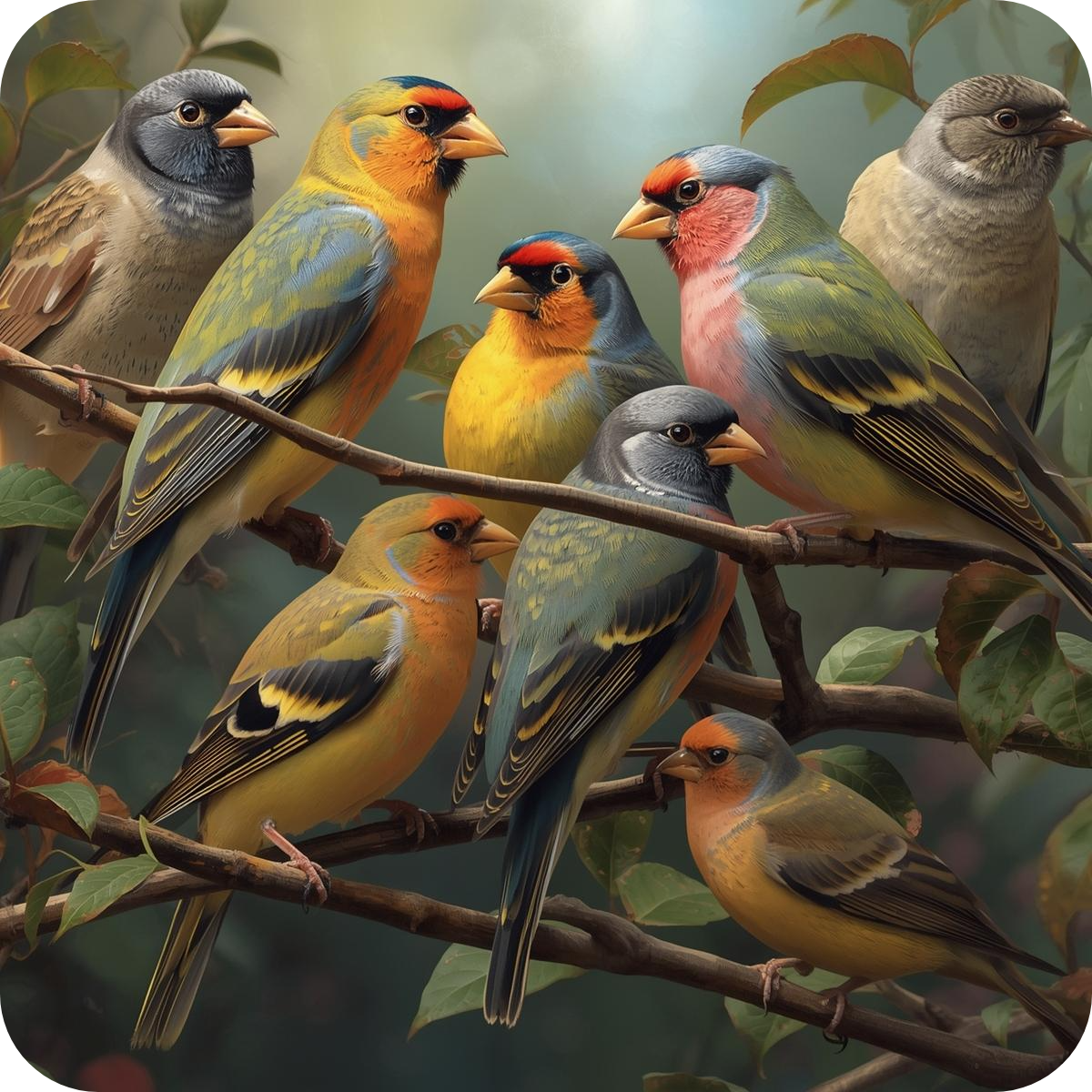
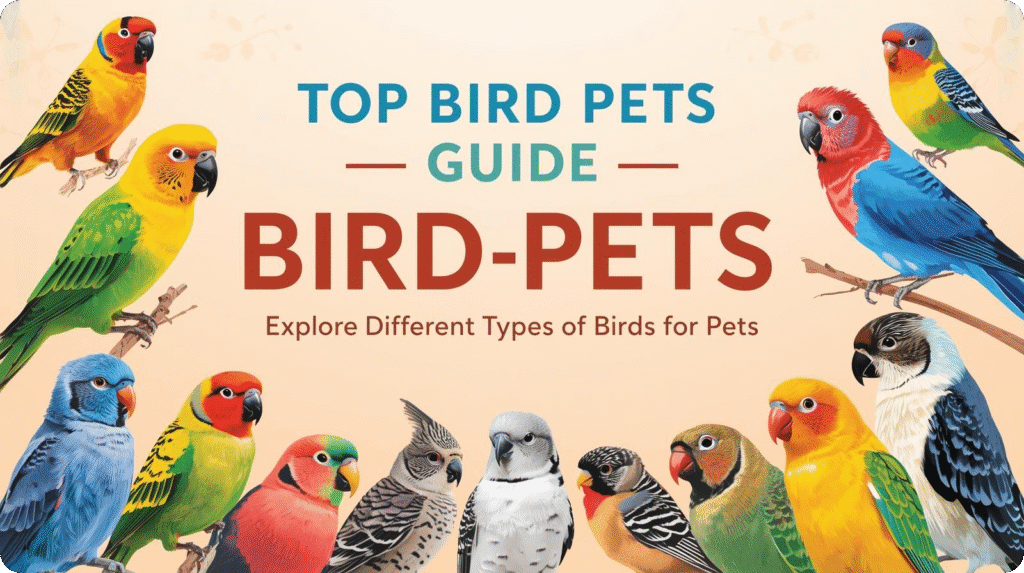
Choosing the right avian companion can transform your home into a vibrant, musical sanctuary. This Top Bird Pets Guide will help you explore different types of pet birds.
You will learn about tiny finches and majestic macaws. Whether you are new to owning birds or have experience, it is important to learn about different pet birds. This knowledge helps you make a good choice that suits your lifestyle, living space, and how much time you can commit.
Why Choose Birds as Pets?
Birds make exceptional companions for numerous reasons. Unlike traditional pets, they offer unique benefits that appeal to a wide range of pet owners.
Their intelligence is similar to that of young children. Many species can learn tricks, solve puzzles, and even mimic human speech. Birds are also incredibly social creatures that form deep bonds with their owners, providing companionship and emotional support.
For people living in apartments or small spaces, many pet birds need less room than dogs or cats. They still offer great interaction. Their relatively long lifespans mean you’ll have a companion for years to come, with some larger parrots living 50 years or more.
Birds are usually cleaner than many mammals. Most species do not produce dander. This makes them a good choice for some allergy sufferers.
Small Pet Birds: Perfect for Beginners
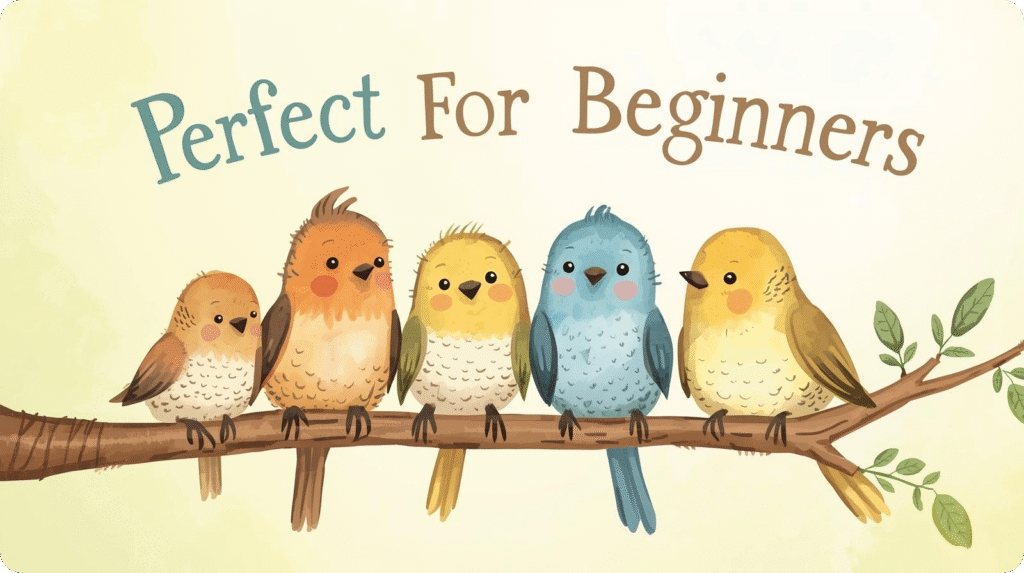
When exploring different types of birds for pets, small species often make excellent starting points for new bird owners. These small companions take up less space. They are usually cheaper to maintain and easier to handle than larger ones.
Budgerigars (Budgies or Parakeets)
Size: 7-8 inches | Lifespan: 5-10 years | Noise Level: Low to Moderate
Budgies are among the most popular types of birds for pets worldwide, and for good reason. These small Australian parrots pack enormous personality into their tiny frames. Budgies come in many beautiful colors, like green, yellow, violet, and white. They are very smart and can learn to mimic words and phrases with some patient training.
✓ Advantages
· Affordable purchase and maintenance costs
· Social and friendly temperament
· Can learn to talk with training
· Ideal for small living spaces
· Easy to care for beginners
✗ Considerations
· Require daily social interaction
· Can be messy with seed hulls
· Need regular cage cleaning
· May become nippy if not socialized
Cockatiels
Size: 12-13 inches | Lifespan: 15-25 years | Noise Level: Moderate
With their distinctive crests and orange cheek patches, cockatiels are charming members of the cockatoo family. These Australian natives are renowned for their gentle, affectionate nature and their ability to whistle tunes.
Male cockatiels are very vocal. They can learn to mimic sounds and simple phrases. This makes them great pets.
✓ Advantages
· Extremely gentle and affectionate
· Excellent whistlers and mimics
· Lower noise level than larger parrots
· Great with children when socialized
· Responsive to training
✗ Considerations
· Produce feather dust
· Can develop night frights
· Require spacious cages
· Need regular interaction to stay tame
Lovebirds
Size: 5-7 inches | Lifespan: 10-15 years | Noise Level: Moderate to High
Despite their small size, lovebirds have huge personalities. People name these pint-sized parrots for their strong pair bonds, though single lovebirds can bond deeply with human companions. They come in various color mutations and are incredibly active and playful, representing energetic types of birds for pets.
✓ Advantages
· Entertaining and acrobatic
· Beautiful coloration
· Form strong bonds with owners
· Relatively easy to care for
· Active and playful nature
✗ Considerations
· Can be territorial and aggressive
· High-pitched vocalizations
· May bite if not properly socialized
· Require significant attention
Medium-Sized Pet Birds: Interactive Companions
Medium-sized birds offer a perfect balance between manageability and interactive capability. These types of pet birds usually talk better and have stronger personalities than smaller birds. They are also easier to handle than large parrots.
Conures
Size: 10-20 inches (varies by species) | Lifespan: 20-30 years | Noise Level: High
Conures are the comedians of the bird world. These colorful birds include the popular Green-Cheeked Conure and the beautiful Sun Conure. People know them for their playful tricks and silly behavior. They’re highly social and form strong bonds with their families, making them beloved types of birds for pets among enthusiasts.
✓ Advantages
· Extremely affectionate and cuddly
· Playful and entertaining
· Some species can learn words
· Available in many color variations
· Form deep bonds with families
✗ Considerations
· Very loud screaming calls
· Can be destructive chewers
· Require extensive socialization
· May become nippy during hormonal periods
African Grey Parrots
Size: 12-14 inches | Lifespan: 40-60 years | Noise Level: Moderate
Many people often see African Greys as the smartest pet birds. They are famous for their great talking skills and intelligence.
Studies show they can solve problems like young children. They also understand concepts such as colors, shapes, and numbers. Their remarkable intelligence makes them fascinating companions for dedicated owners.
✓ Advantages
· Extraordinary intelligence
· Exceptional talking ability
· Can learn hundreds of words
· Forms deep emotional bonds
· Problem-solving capabilities
✗ Considerations
· Prone to anxiety and feather plucking
· Require extensive mental stimulation
· Need consistent routine and socialization
· Produce significant feather dust
Quaker Parrots (Monk Parakeets)
Size: 11-12 inches | Lifespan: 20-30 years | Noise Level: Moderate to High
Quaker parrots are intelligent, social birds with excellent talking abilities. People know these bright green parrots with gray chests for their lively personalities and their habit of making big nests. They’re among the more affordable types of birds for pets in the medium-sized category.
✓ Advantages
· Excellent talking and mimicking skills
· Highly social and entertaining
· More affordable than African Greys
· Can learn extensive vocabulary
✗ Considerations
· Illegal in some states/regions
· Can be territorial and protective
· May become loud during certain times
· Need plenty of chewing materials
Large Pet Birds: Majestic Companions
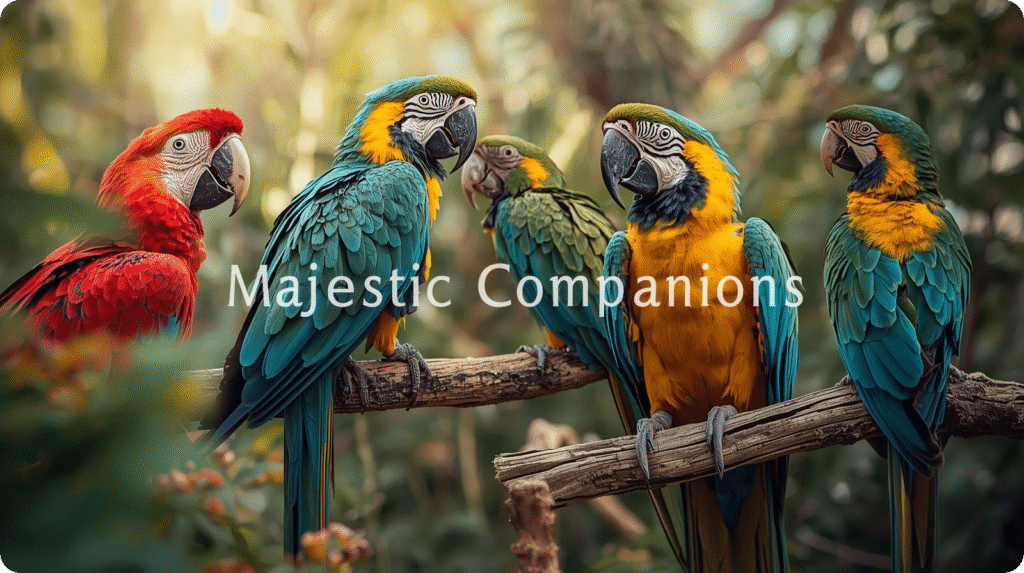
Large parrots represent the pinnacle of bird companionship, offering unparalleled intelligence and emotional depth. However, these magnificent types of birds for pets require serious commitment, substantial space, and experienced handling.
Macaws
Size: 30-40 inches | Lifespan: 50-80 years | Noise Level: Very High
Macaws are the giants of the pet bird world, known for their spectacular coloration and impressive size. From the bright Blue-and-Gold to the beautiful Scarlet Macaw, these birds are smart and lovely. They can form strong bonds with their owners. They represent some of the most impressive types of birds for pets available.
✓ Advantages
· Stunning visual appearance
· Highly intelligent and trainable
· Can learn numerous tricks and words
· Incredibly long-lived companions
· Majestic and impressive presence
✗ Considerations
· Extremely loud vocalizations
· Require very large living spaces
· Powerful beaks can cause serious injuries
· High maintenance and expensive
· Need several hours of daily attention
Cockatoos
Size: 12-24 inches (varies by species) | Lifespan: 40-70 years | Noise Level: Very High
Cockatoos are likely the most loving birds to have as pets. People often call them “velcro birds” because they need a lot of physical contact. With their beautiful crests and lively personalities, the Umbrella Cockatoo and Moluccan Cockatoo are unforgettable pets. They need a lot of time and emotional care.
✓ Advantages
· Exceptionally affectionate and cuddly
· Highly entertaining and playful
· Can learn tricks and some words
· Beautiful distinctive crests
· Form incredibly strong bonds
✗ Considerations
· Extremely demanding of attention
· Prone to behavioral problems if neglected
· Very loud screaming calls
· Produce heavy feather dust
· Can develop severe separation anxiety
Amazon Parrots
Size: 10-20 inches | Lifespan: 40-80 years | Noise Level: High to Very High
Amazon parrots are vibrant, intelligent birds known for their outgoing personalities and excellent talking abilities. Birds like the Double Yellow-Headed Amazon and Blue-Fronted Amazon are popular with experienced bird owners. They look for interactive pets.
✓ Advantages
· Outstanding talking and singing abilities
· Bold, confident personalities
· Beautiful coloration
· Long-lived companions
✗ Considerations
· Can be aggressive during breeding season
· Very loud vocalizations
· Require experienced handling
· Strong-willed and dominant
Finches and Canaries: Low-Maintenance Options
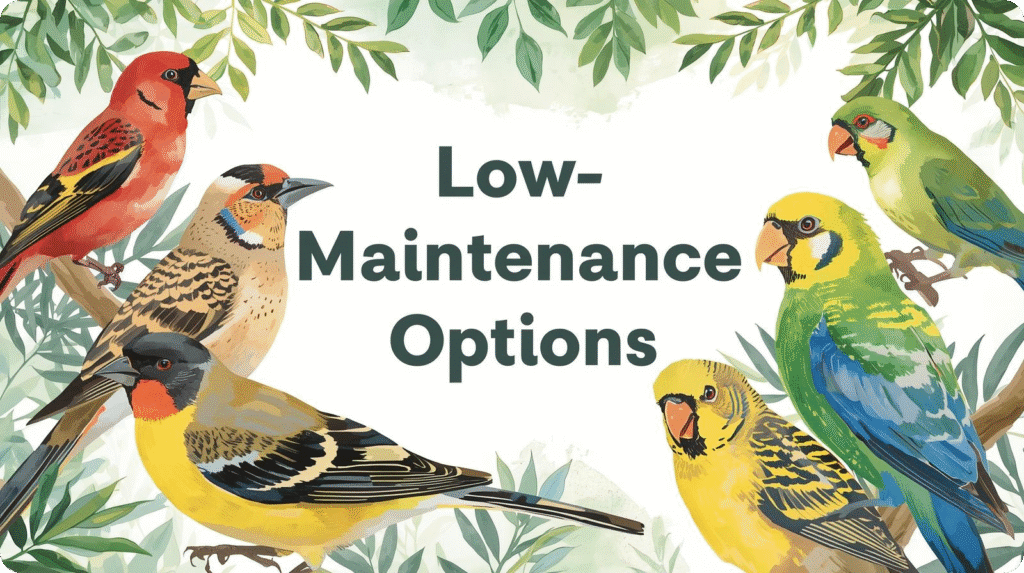
If you want a pet bird that needs less attention, finches and canaries are great choices. They provide nice company without needing constant interaction. These birds are perfect for people who enjoy watching and listening to birds but prefer not to handle them regularly.
Zebra Finches
Size: 4 inches | Lifespan: 5-9 years | Noise Level: Low
Zebra finches are small, active birds that thrive in pairs or small flocks. They’re incredibly entertaining to watch, constantly chirping and hopping about their cage.
These hardy little birds need little human interaction. They are happy with other finches. This makes them great pets for busy households.
✓ Advantages
· Very low maintenance
· Don’t require handling
· Peaceful, pleasant chirping
· Thrive in small groups
✗ Considerations
· Not suitable for handling
· Shorter lifespan
· Need companions of their species · Limited interaction with humans
Canaries
Size: 4-8 inches | Lifespan: 10-15 years | Noise Level: Moderate
Male canaries are prized for their beautiful singing voices, producing melodious songs that brighten any home. Canaries come in many colors like yellow, orange, red, and white. They like to admire from afar instead of handling. They are great pet birds for people who enjoy their beauty and songs without needing to handle them.
✓ Advantages
· Beautiful singing (males)
· Low maintenance requirements
· Content being solitary
· Stunning color varieties
✗ Considerations
· Don’t enjoy handling
· Only males sing extensively
· Limited interaction potential
· Can be sensitive to environmental changes
Essential Considerations When Choosing Types of Birds for Pets
Selecting the right bird requires careful consideration of multiple factors to ensure a successful, lifelong relationship. Understanding these key aspects will help you choose from the diverse types of birds for pets available.
Time Commitment
Different types of birds for pets require varying levels of daily interaction. Smaller birds, like finches, may only need feeding and cleaning. Parrots, on the other hand, need several hours of social interaction, training, and time outside their cage each day.
Consider your schedule realistically before committing to a bird that needs constant companionship. Large parrots, in particular, can become stressed and develop behavioral problems if left alone for extended periods.
Living Space
Cage requirements vary dramatically between species. A budgie can live well in a small cage that is 18x18x18 inches.
A macaw needs a bigger space. It should be large enough for the bird to stretch its wings and climb. This often means a cage of 4x4x6 feet or even larger.
Additionally, all birds need safe, supervised time outside their cages for exercise and mental stimulation. Ensure you have adequate room not just for the cage, but for flight space and play areas.
Noise Tolerance
If you live in an apartment or have neighbors who are sensitive to noise, research the sounds of different pet birds. All birds make noise, but some are much louder. Conures and cockatoos can scream at 120 decibels.
In contrast, finches and budgies are quieter. They make soft chirps and tweets. Remember that birds are most vocal at dawn and dusk, mimicking their natural behaviors in the wild.
Financial Investment
Beyond the initial purchase price, which can be $20 for a finch or $3,000 for a large macaw, think about ongoing costs. These costs include:
· High-quality bird food and treats ($20-$100 monthly depending on species)
· Annual veterinary checkups with an avian specialist ($100-$300)
· Cage, perches, and regular toy replacements ($200-$2,000 initially, $50-$200 annually)
· Emergency medical care (can easily exceed $500-$1,000)
· Potential boarding costs during vacations ($15-$50 per day)
Lifespan Commitment
Many types of birds for pets live significantly longer than other common pets. While finches may live 5-10 years, parrots can live 20-80 years depending on the species. This means your bird may outlive you or require provisions in your will. Consider your life plans, including career changes, relocations, and family planning, before committing to a long-lived bird.
💡 Expert Tip
Before purchasing any bird, spend time volunteering at a bird rescue or sanctuary. This hands-on experience with different types of pet birds will help you see what bird ownership is really like. It may even inspire you to adopt a bird that needs a home. Many rescued birds are perfectly healthy and simply need new families due to their previous owners’ life changes.
Setting Up for Success
Once you’ve chosen from the many types of birds for pets available, proper setup ensures your new companion thrives.
Cage Selection and Placement
Choose the largest cage your budget and space allow. The cage should be wide enough for your bird to fully extend its wings and tall enough for long-tailed species. Horizontal bars are preferable for climbing species.
Put the cage in a social area of your home. This way, the bird can see and interact with family members.
Keep it away from kitchens, as cooking fumes can be harmful. Also, avoid placing it near drafty windows. Avoid placing cages in direct sunlight or near air conditioning vents.
Nutrition
A varied diet is crucial for all types of birds for pets. Most pet birds do well on a diet of high-quality pellets. They also need fresh vegetables, some fruits, and suitable seeds or nuts. Dark leafy greens, carrots, and peppers are excellent choices.
Avoid avocados, chocolate, salt, caffeine, and alcohol, which are toxic to birds. Fresh, clean water should be available at all times and changed daily.
Enrichment and Toys
Birds are intelligent creatures that need mental stimulation. Offer different types of toys. Include foraging toys that help with natural food-seeking.
Add chewing toys for beak care. Include puzzle toys and toys for climbing and swinging. Rotate toys regularly to prevent boredom, and supervise your bird with new toys to ensure safety. Natural branches make excellent perches and provide healthy chewing material.
Finding an Avian Veterinarian
Before bringing your bird home, locate a qualified avian veterinarian in your area. Regular veterinary care is important because birds hide illness very well. This is a survival instinct. As a result, problems can be hard to notice until they are serious.
Annual wellness checkups are important for your bird’s health. These checkups include physical exams and sometimes blood tests. They help catch health problems early and keep your bird healthy for life.
Training and Socialization
Most types of birds for pets benefit greatly from positive reinforcement training. Start with basic step-up commands, where the bird learns to step onto your hand or a perch when prompted. Gradually introduce tricks, flight recall (teaching your bird to fly to you on command), and even potty training.
Training sessions help you connect with your bird. They also give your bird important mental exercise. This shows your bird that you are a trusted friend, not a threat.
Socialization is equally important, especially for young birds. Introduce your bird to different people, sights, and sounds in a safe and positive way. This helps your bird become a confident and well-adjusted companion. This includes exposure to different household sounds, gentle handling by family members, and gradual introduction to new experiences.
However, respect your bird’s space. Never force interactions that make it stressed. This can harm trust and lead to fear.
Common Behavioral Challenges
Understanding potential behavioral issues helps you respond appropriately when problems arise with your feathered companion:
Excessive Bonding: Some pet birds, like cockatoos and conures, can bond too much with one person. This can cause them to be aggressive toward others. Encourage multiple family members to interact with and care for the bird from the beginning.
⚠️ Important Note
Never punish a bird physically. Birds don’t understand punishment and it will only damage your relationship and increase fear-based behaviors. Instead, use positive reinforcement to encourage desired behaviors and redirect or ignore unwanted ones. Consistency is key to successful behavior modification.
Health and Wellness for Different Types of Birds for Pets
Maintaining your bird’s health requires vigilance and proactive care. Watch for signs of illness including:
· Changes in eating or drinking habits
· Lethargy or unusual sleeping patterns
· Fluffed feathers when not sleeping
· Discharge from eyes, nose, or beak
· Changes in droppings (color, consistency, frequency)
· Difficulty breathing or tail bobbing
· Loss of balance or coordination
Because birds hide illness so effectively, any of these signs requires immediate veterinary attention. What may seem like a minor symptom can indicate serious illness requiring prompt treatment.
Adopting vs. Buying: Ethical Considerations
When selecting from the various types of birds for pets, consider adoption as your first option. Thousands of healthy, wonderful birds need homes because their owners’ life changes, not behavioral problems. Bird rescues and sanctuaries can help you find a bird that fits your experience and lifestyle. This often costs much less than buying from a breeder or pet store.
If you choose to purchase from a breeder, research thoroughly. Reputable breeders:
· Allow you to visit their facilities
· Provide detailed health histories
· Socialize their birds extensively before sale
· Offer ongoing support and advice
· Will take the bird back if you cannot keep it
· Never pressure you into a quick decision
Avoid buying birds from pet stores. Make sure they get their birds from ethical breeders, not bird mills. Bird mills care more about profit than animal welfare.
The Rewards of Bird Ownership
Despite the challenges, keeping birds as pets offers incredible rewards. Their intelligence, affection, and unique personalities create bonds unlike any other pet relationship. No matter if you pick a small finch or a big macaw, the right bird can bring joy and friendship to your life for many years.
Many bird owners describe their relationship with their feathered friends as deeply emotional and reciprocal. Birds recognize their owners, respond to their moods, and can provide genuine comfort and connection.
The daily interactions, from morning greetings to evening cuddles, create routines that enrich both human and bird lives. Their playful behavior gives us endless fun. Their smartness encourages us to think creatively. Their love shows us the deep bonds possible between different species.
Birds also teach us patience, consistency, and the importance of reading non-verbal communication. They connect us to nature even in urban environments, and their songs and colors bring vitality to our homes. For many owners, their birds become real family members. People include them in daily life and love them for their special roles in the home.
Special Considerations for Families with Children
When choosing types of birds for pets for families with children, certain species are more suitable than others. Cockatiels and budgies generally make excellent choices for families because of their gentle nature and manageable size. Teach children to approach birds calmly, speak softly, and respect the bird’s body language. Never leave young children unsupervised with birds, as both can harm each other unintentionally.
Think about how children might lose interest in caring for birds. Make sure adults are ready to provide care for the birds for life, no matter how involved the children are. Use bird ownership as an opportunity to teach responsibility, empathy, and respect for other living beings.
Frequently Asked Questions (FAQs)
Getting Started with Bird Ownership
What is the best bird for a first-time owner?
Many people widely consider budgerigars (budgies) and cockatiels the best birds for beginners. Budgies are affordable, easy to care for, and can learn to talk with patience.
Cockatiels are gentle, affectionate, and have a moderate noise level. Both species are forgiving of minor care mistakes and adapt well to various living situations. If you prefer a hands-off approach, zebra finches are excellent low-maintenance options that thrive with minimal handling.
How much does it cost to own a bird?
Initial costs vary significantly by species. You can expect to pay $20 to $50 for finches. Budgies cost between $20 and $60.
Cockatiels range from $100 to $300. Sellers price conures from $150 to $600. African Greys cost between $1,000 and $3,500. Macaws and cockatoos can cost $1,500 to $3,500 or more.
Monthly ongoing costs include food ($20-$100), toys and enrichment ($20-$50), and annual veterinary care ($100-$300). Emergency medical care can exceed $500-$1,000, so budgeting for unexpected expenses is essential.
How do I know if a bird is right for my lifestyle?
Consider your daily schedule, living space, noise tolerance, and long-term commitment ability. If you work long hours, avoid highly social species like cockatoos that require constant interaction. Apartment dwellers should choose quieter species like budgies, cockatiels, or finches rather than loud conures or macaws.
If you travel frequently, consider that birds need consistent care and boarding can be expensive. Be honest about your patience level, as training and socialization require time and dedication.
Bird Care and Health
What should I feed my pet bird?
Most pet birds do well on a balanced diet. This diet should include high-quality pellets, which make up 60-70% of their food.
Fresh vegetables should be 20-30% of their diet. Limit fruits, seeds, and nuts to 10-20%. Excellent vegetable choices include dark leafy greens, carrots, bell peppers, broccoli, and squash.
Avoid avocados, chocolate, caffeine, alcohol, onions, garlic, and high-salt foods, as these are toxic to birds. Always provide fresh, clean water daily and consult an avian veterinarian for species-specific dietary recommendations.
How often should I take my bird to the veterinarian?
Veterinarians recommend annual wellness checkups for all pet birds. These visits should include a physical exam. They may also include blood tests, fecal tests, and beak and nail trims if needed.
New birds should see a veterinarian within the first week of purchase for a baseline health assessment. Birds hide illness to survive. So, if you notice any changes in their behavior, eating habits, droppings, or appearance, take them to a vet right away.
Conclusion
This Top Bird Pets Guide: Explore Different Types of Birds for Pets gives a clear look at the many kinds of pet birds. From easy-to-care-for budgies to beautiful macaws, there are many types of pet birds. They fit every lifestyle and preference.
The key to being a good bird owner is to honestly assess your skills. You should also research the specific needs of the bird species. Finally, you must commit to caring for your feathered friend for life.
Remember that each bird is an individual with unique personality traits beyond species characteristics. Take time to interact with birds before you decide.
Think about adopting from rescue organizations. Always buy from trusted breeders who care about bird health and socialization. With good preparation and commitment, owning a bird can be one of the most rewarding experiences of your life.
These amazing animals have lived with humans for thousands of years. With proper care and love, they will bring joy and loyalty to your life.
Screaming: This behavior often comes from boredom, wanting attention, or hormonal changes. Address through environmental enrichment, establishing predictable routines, and ignoring unwanted vocalizations while rewarding quiet behavior.
Biting: Usually stems from fear, territoriality, hormonal behavior, or learned behavior. Identify triggers and work on trust-building exercises.
Feather Plucking: Can indicate medical problems, stress, boredom, poor diet, or environmental issues. This serious behavior means you should see a veterinarian right away. They can check for medical problems. If there are no health issues, look at the environment and add enrichment.
Hormonal Aggression: Seasonal changes can trigger breeding behaviors including territoriality and aggression. Change daylight hours to a maximum of 10-12 hours. Remove nesting materials. Avoid touching birds in ways that may excite them, like on their back, under their wings, or near their tail.
Leave a Reply