


Understanding the life expectancy for parakeets is essential for anyone who owns or is considering these delightful, colorful birds as companions. Parakeets, also called budgerigars or budgies, are very popular pet birds. People love them for their playful nature, ability to mimic sounds, and easy care.
Parakeets can live for different lengths of time. This depends on many factors like genetics, diet, environment, and care quality.
Wild parakeets face many challenges that shorten their lives. However, captive parakeets can live longer and healthier with proper care. This guide covers what you need to know about life expectancy for parakeets. It also offers tips to help your bird live a long and happy life.
Average Life Expectancy for Parakeets: What to Expect
The life expectancy of parakeets varies a lot between wild and pet birds. Even among pet parakeets, it can change based on how well they are cared for.
Wild Parakeet Lifespans
In their native Australian habitat, wild parakeets face numerous survival challenges that significantly impact their longevity. The life expectancy for parakeets in the wild typically ranges from 4 to 6 years, with many not surviving beyond their first year due to:
- Predation from hawks, snakes, and other natural predators
- Food and water scarcity during droughts
- Extreme weather conditions and temperature fluctuations
- Disease and parasites without veterinary intervention
- Competition for resources with other birds
- Habitat loss due to environmental changes
Some wild parakeets can live 8-10 years if they adapt well to their environment. However, this is rare.
Captive Parakeet Lifespans
The life expectancy for parakeets in captivity is considerably longer than their wild counterparts. With proper care, pet parakeets typically live:
- Average lifespan: 7-10 years
- Good care: 10-15 years
- Excellent care: 15-20 years
- Exceptional cases: Some parakeets have reached 20-25 years
The wide range in life expectancy for parakeets under human care demonstrates how significantly environmental factors and care quality impact longevity. The difference between average and exceptional lifespans often comes from consistent and informed care practices. We will explore these practices in this guide.
Factors That Influence Life Expectancy for Parakeets
Multiple interconnected factors determine how long your parakeet will live. Understanding these variables helps you optimize the life expectancy for parakeets in your care.
Genetics and Breeding
Genetics play a foundational role in the life expectancy for parakeets:
Breeding practices: Parakeets from responsible breeders who prioritize health over appearance tend to live longer. Excessive inbreeding to achieve specific color mutations can introduce genetic weaknesses that reduce lifespan.
Hereditary conditions: Some parakeets inherit predispositions to certain health issues like tumors, kidney problems, or immune deficiencies that can impact their life expectancy.
Color mutations: While beautiful, some color variations are linked to health issues. For example, some heavily mutated varieties may have slightly shorter lifespans than wild-type green parakeets.
Parent health: Parakeets from healthy, well-cared-for parents generally have better genetic foundations for longevity.
When considering life expectancy for parakeets, starting with a healthy bird from a reputable source gives your pet the best genetic foundation.
Diet and Nutrition
Perhaps no factor influences the life expectancy for parakeets more dramatically than diet. Proper nutrition is absolutely fundamental to longevity.
Seed-only diets: Even though they are traditional, all-seed diets lack important nutrients. They can lead to obesity, liver disease, and shorter lifespans. Parakeets fed exclusively seeds often live only 5-7 years.
Balanced diets: A varied diet significantly extends the life expectancy for parakeets by providing complete nutrition:
- High-quality pellets (60-70% of diet)
- Fresh vegetables daily (20-30% of diet)
- Small amounts of fruit (less than 10%)
- Limited seeds as treats
- Clean, fresh water changed daily
Nutritional deficiencies happen when birds do not get enough important vitamins and minerals. This includes vitamin A, calcium, and protein. These shortages speed up aging and cause diseases. They also lower the life expectancy of parakeets.
Toxic foods include avocado, chocolate, caffeine, salt, and alcohol. These foods can harm parakeets right away or over time. They can greatly lower a life expectancy for parakeets.
Housing and Environment
The quality of your parakeet’s living space profoundly affects their life expectancy:
Cage size: Cramped conditions lead to stress, obesity, and muscle atrophy. The life expectancy for parakeets improves dramatically in appropriately sized cages (minimum 18x18x18 inches for one bird, larger for pairs).
Bar spacing: Proper bar spacing (no more than ½ inch) prevents injuries that could compromise health and longevity.
Cage placement: Positioning the cage away from drafts, direct sunlight, kitchens (where toxic fumes may be present), and high-traffic areas reduces stress and health risks that impact life expectancy for parakeets.
Air quality: Exposure to cigarette smoke, aerosol sprays, scented candles, and non-stick cookware fumes can cause respiratory damage that significantly shortens the life expectancy for parakeets.
Temperature and humidity: Maintaining appropriate temperature (65-85°F) and humidity (40-60%) supports respiratory health and comfort, contributing to better life expectancy for parakeets.
Healthcare and Disease Prevention
Regular veterinary care is essential for maximizing the life expectancy for parakeets:
Avian veterinarians: Establishing care with a qualified avian vet ensures expert monitoring and early disease detection.
Annual checkups: Yearly wellness exams can identify problems before they become serious, significantly improving life expectancy for parakeets.
Preventive care: Regular beak and nail maintenance, parasite prevention, and vaccination discussions help avoid health crises.
Early intervention: Parakeets often hide when they are sick. Noticing small changes and getting quick veterinary help can add years to your bird’s life.
Common health issues: Conditions like fatty liver disease, respiratory infections, tumors, and reproductive disorders can all impact the life expectancy for parakeets if not properly managed.
Mental and Physical Stimulation
Psychological wellbeing directly influences the life expectancy for parakeets:
Mental enrichment: Boredom and depression can lead to self-destructive behaviors and immune suppression. Providing toys, puzzles, and foraging opportunities supports mental health.
Social interaction: Parakeets are highly social birds. Whether through human companionship or another parakeet, social interaction is crucial for emotional wellbeing and can positively affect life expectancy for parakeets.
Exercise: Daily out-of-cage flight time in a safe, supervised environment maintains muscle tone, cardiovascular health, and healthy weight—all factors that improve life expectancy for parakeets.
Behavioral health: Chronic stress from inadequate socialization, improper handling, or environmental stressors suppresses immune function and can reduce life expectancy for parakeets by several years.
Safety and Accident Prevention
Accidents are a leading cause of premature death in pet parakeets, making safety crucial to achieving maximum life expectancy for parakeets:
- Toxic substance exposure (non-stick cookware, household chemicals)
- Window and mirror collisions during flight time
- Interactions with other pets, particularly cats and dogs
- Escape and subsequent inability to survive outdoors
- Injuries from unsafe toys or cage accessories
- Drowning in open water containers
Creating a safe environment eliminates these preventable causes of shortened life expectancy for parakeets.
Maximizing Life Expectancy for Parakeets: Comprehensive Care Strategies
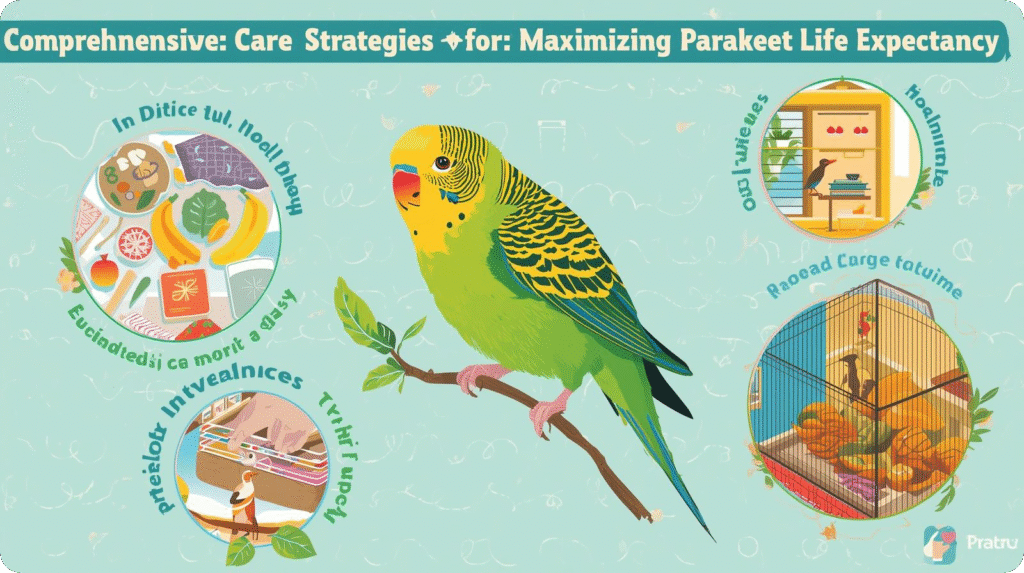
Now that we understand what influences longevity, let’s explore specific strategies to maximize the life expectancy for parakeets in your care.
Optimal Nutrition for Extended Lifespan
Improving diet is the single most impactful change you can make to extend the life expectancy for parakeets.
Transitioning to a Healthy Diet
If your parakeet currently eats primarily seeds, gradually transition to a healthier diet over 2-4 weeks:
Week 1: Introduce small amounts of pellets mixed with seeds (25% pellets, 75% seeds)
Week 2: Increase pellet proportion (50% pellets, 50% seeds)
Week 3: Further increase pellets (75% pellets, 25% seeds)
Week 4: Final ratio (80-90% pellets, 10-20% seeds as treats)
This gradual approach prevents stress and food refusal that could compromise the life expectancy for parakeets during dietary changes.
Daily Fresh Foods
Offering varied fresh vegetables and fruits daily provides essential nutrients that support maximum life expectancy for parakeets:
Excellent vegetable choices:
- Dark leafy greens (kale, spinach, romaine lettuce)
- Carrots, bell peppers (all colors), and broccoli
- Peas, corn, and green beans
- Cucumber, zucchini, and squash
- Sweet potato (cooked)
Safe fruits in moderation:
- Apples (no seeds), berries, and grapes
- Melon, mango, and papaya
- Bananas and kiwi
- Pomegranate seeds
Preparation tips:
- Wash all produce thoroughly
- Cut into appropriately sized pieces
- Remove uneaten fresh food within 2-3 hours
- Introduce new foods gradually
- Offer variety to ensure complete nutrition
Supplements and Treats
Strategic supplementation supports optimal life expectancy for parakeets:
Cuttlebone or mineral blocks: Provide essential calcium for bone health and egg-laying females
Vitamin supplements: Only use if recommended by your avian veterinarian based on dietary analysis
Healthy treats: Millet spray (sparingly), sprouted seeds, and small amounts of whole grain pasta or cooked eggs
Foods to avoid: Never feed avocado, chocolate, caffeine, alcohol, onions, garlic, high-sodium foods, or anything with artificial sweeteners
Creating the Ideal Living Environment

Environmental optimization significantly improves the life expectancy for parakeets by reducing stress and health risks.
Cage Setup for Longevity
Size matters: While minimum recommendations exist, larger is always better. The increased activity space directly correlates with better physical health and extended life expectancy for parakeets.
Perch variety: Include 3-5 perches of varying diameters and materials:
- Natural wood branches (safe species like manzanita, java wood)
- Rope perches for variety
- Different diameters to exercise feet and prevent arthritis
- Avoid sandpaper perches that damage feet
Toy rotation: Maintain 3-4 toys and rotate them weekly to prevent boredom. Include:
- Foraging toys that encourage natural behaviors
- Chewing toys for beak maintenance
- Interactive puzzles for mental stimulation
- Mirrors and bells (for birds not showing mating behaviors)
Food and water stations: Use sturdy, easy-to-clean dishes positioned away from perches to prevent contamination.
Environmental Safety
Protecting your parakeet from hazards is essential for achieving maximum life expectancy for parakeets:
Kitchen dangers: Never allow parakeets near operating kitchens where non-stick cookware fumes can be fatal within minutes.
Air quality: Avoid all aerosol sprays, scented products, and cigarette smoke in rooms housing parakeets.
Temperature regulation: Maintain consistent, comfortable temperatures without drafts or direct heat sources.
Lighting: Provide 10-12 hours of darkness nightly for proper sleep cycles that support immune function and longevity.
Plant safety: Remove all toxic houseplants from areas where your parakeet has access.
Healthcare Practices That Extend Life
Proactive healthcare dramatically improves life expectancy for parakeets by catching problems early and preventing disease.
Regular Veterinary Care
Initial checkup: Schedule an examination within 7 days of bringing your parakeet home to establish baseline health.
Annual wellness exams: Yearly checkups allow your avian vet to detect subtle changes and address problems before they become serious, directly extending life expectancy for parakeets.
Geriatric care: Parakeets over 8-10 years old may benefit from semi-annual checkups to monitor age-related changes.
Emergency preparedness: Know your avian vet’s emergency hours and have a backup option identified for after-hours crises.
Health Monitoring at Home
Daily observation helps you recognize problems early, protecting the life expectancy for parakeets:
Signs of good health:
- Bright, alert eyes
- Smooth, clean feathers with regular preening
- Active behavior and normal vocalizations
- Healthy appetite and regular eating
- Normal droppings (green/brown solid portion with white urates)
- Good posture on perches
Warning signs requiring immediate veterinary attention:
- Fluffed feathers and lethargy
- Labored breathing or tail bobbing
- Changes in droppings (color, consistency, frequency)
- Loss of appetite or decreased activity
- Discharge from eyes, nostrils, or vent
- Lameness or inability to perch
- Sudden behavioral changes
Grooming and Maintenance
Proper grooming supports overall health and life expectancy for parakeets:
Nail trimming: Overgrown nails can cause injury and difficulty perching. Trim every 6-8 weeks or as needed.
Beak care: Healthy parakeets naturally maintain their beaks, but consult your vet if the beak becomes overgrown.
Bathing: Offer bathing opportunities 2-3 times weekly through:
- Shallow water dishes
- Gentle misting with a spray bottle
- Allowing them to flutter under a slowly running faucet
Regular bathing maintains feather health and skin condition, contributing to better life expectancy for parakeets.
Social and Mental Wellbeing
Emotional health is intrinsically connected to physical health and overall life expectancy for parakeets.
The Importance of Companionship
Human interaction: Single parakeets require 2-3 hours of quality interaction daily to meet their social needs. Insufficient socialization leads to depression, feather plucking, and other issues that can reduce life expectancy for parakeets.
Parakeet companionship: Keeping two parakeets together provides constant companionship and can improve life expectancy for parakeets by reducing loneliness-related stress. However:
- Same-sex pairs prevent breeding complications
- Adequate cage space is essential
- Both birds should receive veterinary care
- Bonded pairs may be less interested in human interaction
Quality time activities:
- Talking and singing to your parakeet
- Training simple tricks and commands
- Supervised out-of-cage time
- Gentle handling and petting (if your bird enjoys it)
- Including your parakeet in family activities
Mental Enrichment Strategies
Cognitive stimulation prevents boredom-related behavioral issues that can compromise life expectancy for parakeets:
Foraging activities: Hide treats in paper cups, cardboard tubes, or specialized foraging toys to encourage natural searching behaviors.
Training sessions: Teaching tricks like step-up, waving, or retrieving small objects provides mental exercise and strengthens your bond.
Environmental complexity: Rearrange perches and toys monthly to maintain novelty and interest.
Music and sounds: Many parakeets enjoy gentle music, natural sounds, or even television at low volume.
Mirror considerations: While mirrors provide entertainment, they can sometimes trigger hormonal behavior. Monitor your bird’s response.
Exercise and Physical Activity

Maintaining physical fitness through regular exercise significantly enhances life expectancy for parakeets.
Daily Flight Time
Importance: Flight is essential for cardiovascular health, muscle tone, and weight management—all crucial for maximum life expectancy for parakeets.
Safety preparations:
- Close all windows and doors
- Cover large mirrors and windows
- Turn off ceiling fans
- Secure other pets in different rooms
- Remove toxic plants
- Cover or close toilet lids and sinks
Duration: Aim for at least 1-2 hours of supervised out-of-cage time daily. Start with shorter periods and gradually increase as your parakeet becomes comfortable.
Flight training: Teach your parakeet to come back when you call. This makes flight time safer and more fun.
Weight Management
Obesity significantly reduces life expectancy for parakeets by contributing to fatty liver disease, heart problems, and other health issues.
Healthy weight ranges: Most parakeets should weigh 25-35 grams depending on their size and build.
Monitoring weight: Use a small digital kitchen scale to weigh your parakeet weekly. Sudden changes indicate health issues.
Preventing obesity:
- Limit high-fat seeds and treats
- Provide ample exercise opportunities
- Offer low-calorie vegetables as primary snacks
- Ensure appropriately sized cage for activity
Exercise toys: Swings, ladders, and climbing structures encourage physical activity within the cage.
Age-Specific Care Considerations
The life expectancy for parakeets can be maximized by adapting care to their life stage.
Young Parakeets (0-2 Years)
Socialization: Early positive experiences with handling, new foods, and environments establish lifelong habits that support longevity.
Dietary establishment: Introducing varied, healthy foods while young makes transitions easier and establishes nutritional foundations for extended life expectancy for parakeets.
Training: Young birds learn quickly. This is the best time to teach them behaviors for care and vet exams.
Health monitoring: Establish baseline health markers and veterinary relationships early.
Adult Parakeets (2-8 Years)
Maintenance focus: Consistent care routines maintain optimal health during prime years.
Weight monitoring: Adult parakeets are prone to weight gain, so vigilance prevents obesity-related issues that reduce life expectancy for parakeets.
Enrichment: Continue providing novel toys, foods, and experiences to maintain mental sharpness.
Health surveillance: Annual checkups remain essential for early disease detection.
Senior Parakeets (8+ Years)
Parakeets entering their senior years may need adjusted care to maintain quality of life and maximize remaining life expectancy for parakeets:
Increased veterinary visits: Consider semi-annual checkups to monitor age-related changes.
Dietary adjustments: Senior birds may need softer foods or dietary modifications based on health conditions.
Mobility accommodations: Lower perches, ramps, and easily accessible food and water help aging birds.
Gentler handling: Arthritis and other age-related conditions may make handling more sensitive.
Monitoring for age-related diseases: Tumors, kidney disease, and arthritis become more common. Early detection and management can extend comfortable life expectancy for parakeets.
Common Health Issues That Affect Life Expectancy for Parakeets
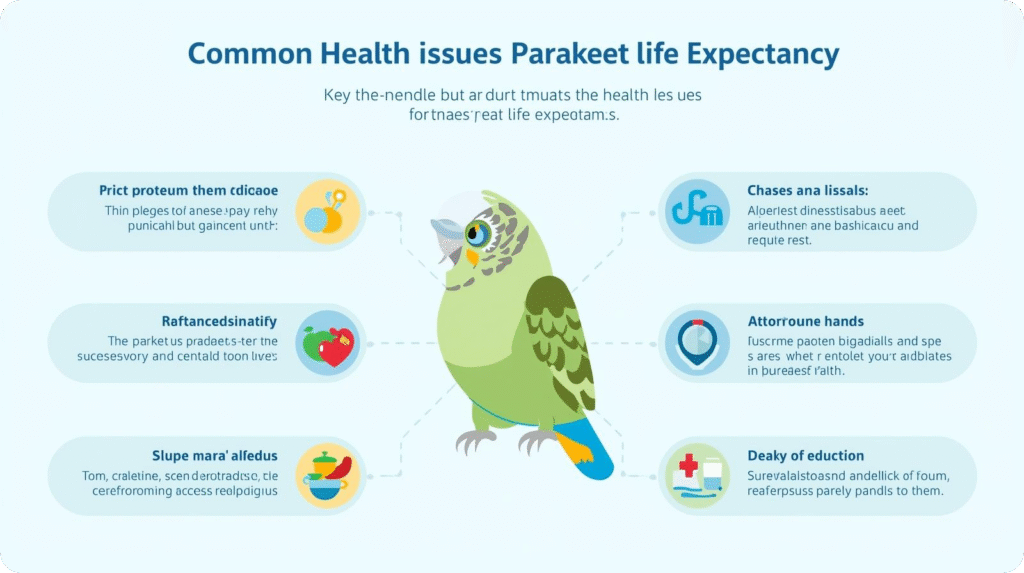
Understanding prevalent health problems helps you prevent or address them promptly, protecting the life expectancy for parakeets.
Respiratory Infections
Impact on longevity: Respiratory infections can become chronic or life-threatening, significantly reducing life expectancy for parakeets if not treated promptly.
Prevention:
- Maintain optimal air quality
- Avoid temperature fluctuations and drafts
- Ensure proper humidity levels
- Regular veterinary checkups
Signs: Labored breathing, tail bobbing, nasal discharge, decreased activity
Fatty Liver Disease
Impact on Lifespan
This condition is often caused by high-fat diets and obesity. It is a major reason for early death in parakeets.
Prevention:
- Provide balanced, low-fat diet
- Ensure adequate exercise
- Maintain healthy body weight
- Regular veterinary monitoring
Signs: Lethargy, difficulty breathing, weight gain, overgrown beak
Tumors
Impact on longevity: Both benign and malignant tumors become more common as parakeets age and can significantly reduce life expectancy for parakeets.
Risk factors: Genetics, diet, and environmental factors all play roles.
Surgeons can remove some tumors through surgery. Healthcare providers can also help manage them with supportive care. This care may help extend life expectancy.
Monitoring: Regular checkups help detect tumors early when treatment options are most effective.
Psittacosis (Parrot Fever)
Impact on longevity: This bacterial infection can be serious but is treatable with antibiotics if caught early.
Prevention:
- Maintain excellent hygiene
- Quarantine new birds
- Regular veterinary screening
Signs: Lethargy, ruffled feathers, respiratory issues, eye discharge
Reproductive Issues
Impact on longevity: Egg-binding and chronic egg-laying can be life-threatening for female parakeets.
Prevention:
- Ensure adequate calcium intake
- Avoid breeding triggers (long daylight hours, nesting materials)
- Consider hormone therapy for chronic layers
Emergency care: Egg-binding requires immediate veterinary intervention to save the bird’s life.
Environmental Enrichment Throughout Life
Sustained mental and physical stimulation is essential for achieving maximum life expectancy for parakeets.
Toy Variety and Rotation
Types of toys:
- Destructible toys (paper, cardboard, soft wood)
- Puzzle toys that reward problem-solving
- Climbing structures and swings
- Bells, mirrors, and noise-making toys
- Foraging toys that hide treats
Rotation schedule: Change 1-2 toys weekly to maintain novelty without overwhelming your bird.
Safety checks: Inspect toys regularly for wear, loose parts, or damage that could cause injury.
Social Interaction Quality
The quality of interaction matters more than quantity for supporting life expectancy for parakeets:
Positive interactions:
- Gentle talking and singing
- Training with positive reinforcement
- Shared meal times (while eating bird-safe foods)
- Reading aloud or watching television together
- Hand-feeding healthy treats
Avoiding stress:
- Never force interaction when your bird shows reluctance
- Respect body language signals
- Avoid sudden movements or loud noises
- Create predictable daily routines
Learning and Training
Continued learning throughout life maintains cognitive function and emotional wellbeing, contributing to better life expectancy for parakeets:
Target training: Teaching your bird to touch a target stick exercises their mind and body.
Speech training: Many parakeets enjoy learning new words and sounds throughout their lives.
You can teach simple behaviors like waving, spinning, or retrieving at any age through trick training.
Benefits: Training strengthens bonds, provides mental stimulation, and makes veterinary care easier.
Seasonal Care Considerations
Adapting care to seasonal changes helps maintain optimal health and life expectancy for parakeets year-round.
Summer Care
Temperature management: Prevent overheating by:
- Keeping cage out of direct sunlight
- Ensuring good ventilation without drafts
- Offering more frequent bathing opportunities
- Monitoring for signs of heat stress
Hydration: Ensure constant access to fresh, cool water, changing it more frequently in hot weather.
Winter Care
Warmth maintenance: Support comfortable temperatures by:
- Avoiding placement near drafty windows or doors
- Using bird-safe space heaters if needed
- Monitoring for signs of cold stress
Light supplementation: Full-spectrum lighting can compensate for reduced natural daylight, supporting mood and vitamin D synthesis.
Molting Support
Parakeets typically molt 1-2 times annually. Support them during this energy-intensive process:
Nutritional support: Increase protein through cooked eggs, legumes, or quality pellets.
Gentle handling: New pin feathers are sensitive; reduce handling if your bird seems uncomfortable.
Bathing opportunities: More frequent misting helps ease itching from emerging feathers.
Patience: Mood changes during molting are normal; maintain routine and understanding.
Record-Keeping for Long-Term Health
Maintaining detailed records helps track trends and optimize care strategies for maximum life expectancy for parakeets.
Essential Records to Keep
Health journal: Document:
- Weight measurements (weekly)
- Eating and drinking patterns
- Droppings appearance
- Behavior changes
- Molting cycles
- Veterinary visits and findings
Dietary log: Track:
- Foods offered and consumed
- Reactions to new foods
- Treat frequency
- Supplement administration
Environmental notes: Record:
- Toy preferences and rotations
- Cage cleaning schedule
- Out-of-cage time duration
- Social interaction quality
Benefits: Comprehensive records help you and your veterinarian identify problems early and make informed care decisions that extend life expectancy for parakeets.
Frequently Asked Questions About Parakeet Life Expectancy
What is the average life expectancy for parakeets?
The average life expectancy for parakeets in captivity ranges from 7-10 years, though with excellent care, many parakeets live 10-15 years. Some exceptionally well-cared-for parakeets have reached 15-20 years.
Wild parakeets typically live only 4-6 years due to predation, disease, and environmental challenges. The significant variation in life expectancy for parakeets demonstrates how powerfully care quality impacts longevity.
Can parakeets live 20 years or longer?
While rare, some parakeets have lived 20 years or longer with exceptional care. These cases show the highest life expectancy for parakeets. – They usually include birds that receive the best nutrition.
– They also get good veterinary care.
– These birds have plenty of mental and physical activity.
– They come from strong genetics. Most parakeet owners can expect their birds to live 10 to 15 years with good care. It is always worth trying to help them live longer.
Do male or female parakeets live longer?
There’s typically little difference in life expectancy for parakeets based on sex when both receive proper care. Female parakeets may have extra health risks from laying eggs too often. This can cause calcium deficiency and egg-binding.
If not managed well, these issues could shorten their lifespan. With appropriate preventive care, both male and female parakeets can achieve similar longevity.
What are the most common causes of premature death in parakeets?
The main reasons for shorter life expectancy in parakeets are poor diet, lack of vet care, and bad housing. Other causes are toxic fumes from non-stick cookware. Accidents can happen when they are out of their cage.
There are also diseases related to obesity. Additionally, respiratory infections and tumors can occur. Many of these causes are preventable through proper care and vigilance.
How can I tell if my parakeet is aging?
Signs that your parakeet is getting older include less activity, more sleeping, and trouble climbing or perching. You may also notice weight changes, poorer feather quality, and cloudiness in their eyes.
While these changes are normal parts of aging, they don’t necessarily indicate end of life. Many parakeets can live well into their teens. This is possible with proper senior care that helps them live longer.
Does diet really make a big difference in parakeet lifespan?
Absolutely. Diet is arguably the single most important factor affecting life expectancy for parakeets.
Birds that eat balanced diets with pellets, fresh vegetables, and a few treats usually live longer. They can live 3-5 years more than birds that only eat seeds. Poor nutrition contributes to fatty liver disease, obesity, vitamin deficiencies, and other conditions that dramatically shorten life expectancy for parakeets.
Should I get one or two parakeets for maximum lifespan?
Both single and paired parakeets can achieve excellent life expectancy for parakeets if their social needs are met. Single birds often bond more closely with humans but require significant daily interaction (2-3 hours).
Paired parakeets keep each other company. This can help lower stress-related health problems, especially for busy owners. The key is ensuring your parakeet(s) receive adequate social interaction, whether from humans or other birds.
How often should my parakeet see a veterinarian?
Annual wellness checkups with an avian veterinarian significantly improve life expectancy for parakeets by catching problems early. Young and middle-aged parakeets need yearly exams.
Senior birds, those 8 years and older, should have checkups every 6 months. Additionally, seek immediate veterinary attention for any concerning symptoms, as early intervention often makes the difference between full recovery and serious complications.
Can changing to a better diet late in life still help my older parakeet?
Yes! Starting with good nutrition from day one gives parakeets the best chance for a long life.
However, improving their diet helps birds of any age. Changing an older parakeet to a healthier diet can boost their energy, improve feather quality, and help their organs. This change may even add years to their life. Make dietary changes gradually over 2-4 weeks to prevent stress and food refusal.
What’s the most important thing I can do to help my parakeet live longer?
All parts of care are important. However, finding a good avian veterinarian and having regular checkups is the most important.
Annual exams catch problems before they become serious, and having an established relationship ensures prompt care during emergencies. Combined with proper nutrition, appropriate housing, and daily interaction, regular veterinary care provides the foundation for maximum life expectancy for parakeets.
Is it normal for parakeets to slow down as they age?
Yes, some decrease in activity is normal as parakeets age, typically becoming noticeable around 8-10 years.
Sudden or dramatic changes in activity level need a vet’s attention. These changes may show health problems, not just normal aging. Many well-cared-for senior parakeets remain reasonably active and engaged well into their teens, maintaining good quality of life throughout their extended life expectancy for parakeets.
How does stress affect parakeet lifespan?
Chronic stress significantly reduces life expectancy for parakeets by suppressing immune function, causing behavioral problems like feather plucking, and contributing to various diseases.
Common stressors include inadequate socialization, improper handling, insufficient cage space, lack of mental stimulation, and environmental disruptions. Minimizing stress through consistent routines, proper care, and understanding body language helps parakeets achieve their maximum lifespan potential.
Conclusion: Investing in Your Parakeet’s Longevity
Understanding and optimizing the life expectancy for parakeets requires dedication, education, and consistent care, but the rewards are immeasurable. These smart and friendly birds can bring joy and companionship for 10 to 15 years or more. This holds true if someone consistently meets their physical, mental, and emotional needs.
The difference between a parakeet living 5-7 years and 15-20 years often depends on your daily choices. These choices include their diet, environment, healthcare, and social interaction. While genetics play a role, the life expectancy for parakeets is remarkably influenced by the quality of care they receive.
To help parakeets live longer, focus on these key points:
1. Give them a balanced diet with pellets, fresh vegetables, and a small amount of seeds.
2. Provide a spacious and safe home with toys and activities.
3. Schedule regular vet visits for annual checkups.
4. Ensure they get daily social time and exercise outside their cage.
5. Watch for any health changes that need quick attention.
Remember that each parakeet is an individual with unique needs and preferences. What works perfectly for one bird may need adjustment for another. Stay observant, remain flexible, and continue learning about your specific bird’s requirements. Join online communities, read current avian care literature, and maintain open communication with your avian veterinarian.
The life expectancy for parakeets continues to improve as our understanding of avian medicine and nutrition advances. By following the tips in this guide, you can help your parakeet.
Taking care of your bird gives it a better chance for a long, healthy, and happy life. Your parakeet relies on you for all their care.
Your commitment to their health will bring you joy. You will enjoy years of chirps, songs, and playful antics. Their affectionate companionship will brighten each day of your time together.
Leave a Reply