

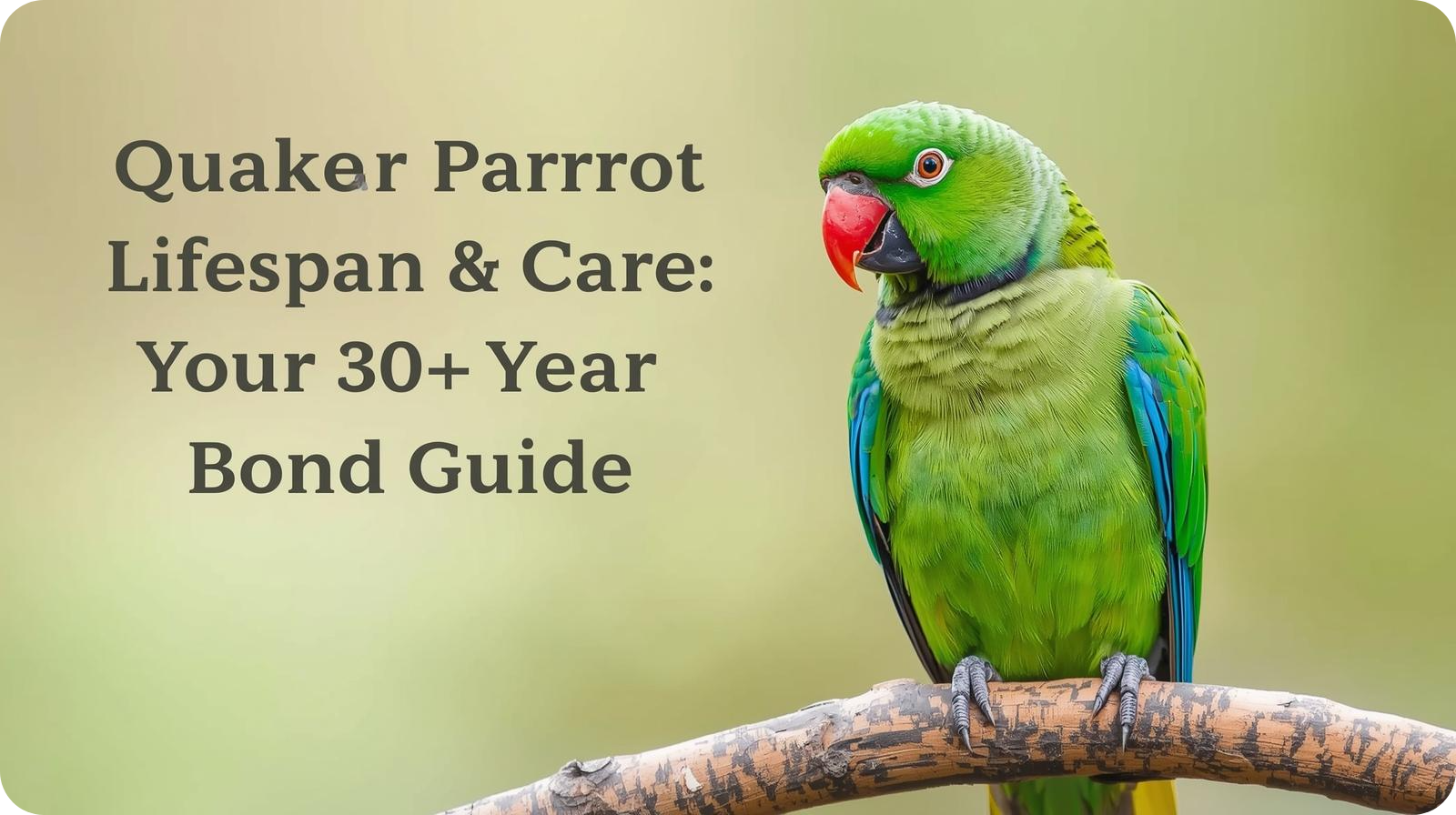
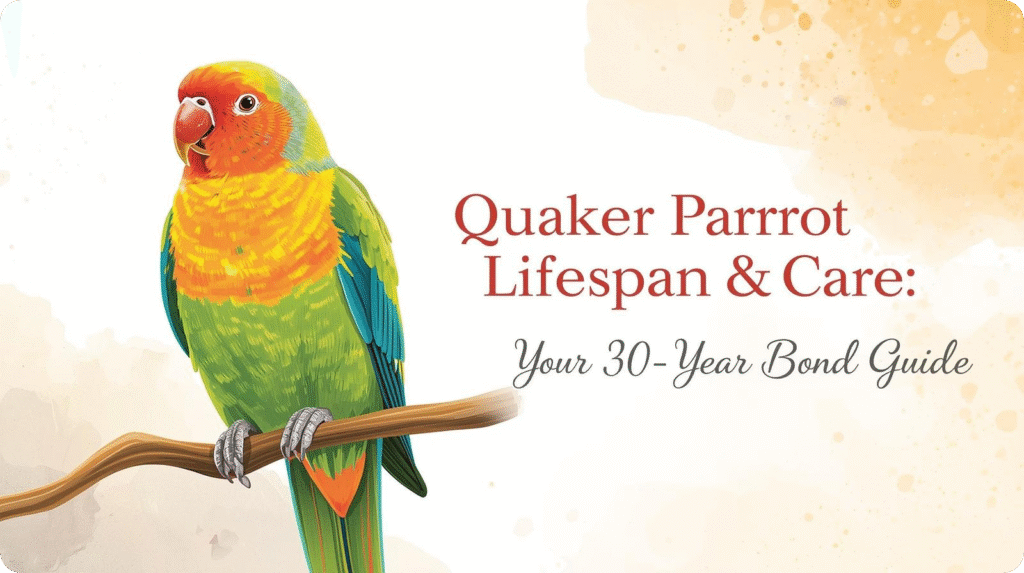
Bringing a Quaker parrot into your home means welcoming a companion who could share three decades of your life. Understanding the quaker parrot lifespan is essential before committing to these intelligent, charismatic birds.
This guide covers everything about Quaker Parrot Lifespan and Care. It helps you understand their expected lifespan and daily care needs. This will help your feathered friend thrive for many years.
Understanding Quaker Parrot Lifespan: What to Expect
The quaker parrot usually lives for 20 to 30 years in captivity. This is true when they get good care, nutrition, and veterinary help. Researchers have recorded some remarkable people living into their mid-30s. However, this is the highest end of their life expectancy.
Factors Affecting Longevity
Several key elements influence how long your Quaker parrot will live:
Genetics and Breeding: Birds from responsible breeders who prioritize health and genetic diversity tend to have longer lifespans. Avoid purchasing from pet stores or breeders who cannot provide health histories of parent birds.
Diet Quality: Nutrition plays perhaps the most critical role in determining quaker parrot lifespan. A balanced diet significantly impacts organ function, immune system strength, and overall vitality.
Environmental Conditions: Clean, appropriately sized housing with proper temperature control and humidity levels contributes to longevity. Stress from overcrowding, excessive noise, or inadequate space can shorten lifespan.
Veterinary Care: Regular check-ups with an avian veterinarian help catch potential health issues early. Preventative care dramatically increases life expectancy compared to birds who only see vets during emergencies.
Mental Stimulation: Quaker parrots are highly intelligent birds that require daily mental engagement. Depression and boredom can lead to stress-related health problems that may reduce their lifespan.
Quaker Parrot Basics: Know Your Bird
Before diving into care specifics, understanding what makes Quaker parrots unique helps you provide better lifetime care.
Physical Characteristics
Quaker parrots, or Monk parakeets, are small to medium-sized birds. They are about 11-12 inches long and weigh 90-120 grams. They feature distinctive bright green plumage with gray breasts and throats, blue flight feathers, and characteristic pale eye rings.
Personality Traits
These birds are renowned for their:
- Bold, confident personalities that often exceed their small size
- Exceptional talking ability with clear articulation and extensive vocabularies
- Strong territorial instincts particularly around their cages
- High intelligence requiring constant mental challenges
- Social nature demanding daily interaction with their human flock
Native Habitat and Adaptability
Originally from South American temperate and subtropical regions, Quaker parrots demonstrate remarkable adaptability. They’ve established feral populations across multiple continents, showcasing their resilience. However, this adaptability doesn’t mean they thrive with neglect—proper care remains essential for maximizing quaker parrot lifespan.
Nutrition: The Foundation of a Long Quaker Parrot Lifespan
Diet quality directly correlates with longevity in Quaker parrots. A poor diet is the leading preventable cause of shortened lifespan in captive parrots.
Complete Balanced Diet Components
High-Quality Pellets (60-70% of diet): Premium formulated pellets should form the foundation of your Quaker’s diet. Look for organic, color-free options without artificial preservatives. Brands like Harrison’s, Roudybush, and TOPs are excellent choices.
Fresh Vegetables (20-25% of diet): Offer dark leafy greens daily, including:
- Kale, collard greens, and dandelion greens
- Broccoli, carrots, and sweet potatoes
- Bell peppers (all colors), squash, and peas
- Fresh corn, green beans, and snap peas
Fresh Fruits (5-10% of diet): While nutritious, fruits should be limited due to sugar content:
- Berries (blueberries, strawberries, raspberries)
- Apple slices (remove seeds)
- Mango, papaya, and melon
- Pomegranate and grapes (in moderation)
Healthy Treats and Supplements: Occasional offerings include:
- Unsalted, unroasted nuts (almonds, walnuts)
- Whole grain pasta and brown rice
- Sprouted seeds and legumes
- Calcium sources like cuttlebone or mineral blocks
Foods to Strictly Avoid
Certain foods are toxic to Quaker parrots and can significantly reduce their lifespan:
- Avocado (extremely toxic)
- Chocolate and caffeine
- Alcohol in any form
- Salt and high-sodium foods
- Onions and garlic
- Fruit pits and apple seeds
- Processed human foods
Water Requirements
Provide fresh, clean water daily in ceramic or stainless steel bowls. Change water at least twice daily, as Quaker parrots often dunk food in their water dishes. Consider offering filtered water if your tap water contains high levels of chlorine or contaminants.
Housing Requirements for Lifelong Health
Proper housing significantly impacts quaker parrot lifespan by preventing injuries, reducing stress, and promoting natural behaviors.
Cage Specifications
Minimum Dimensions: For a single Quaker parrot, provide a cage at least 24 inches wide, 24 inches deep, and 30 inches high. Larger is always better, as these active birds need space to move, climb, and exercise.
Bar Spacing and Material: Choose cages with horizontal bars spaced 1/2 to 5/8 inches apart for climbing. Powder-coated or stainless steel cages resist rust and avoid zinc or lead toxicity. Avoid decorative brass cages that may contain toxic metals.
Location Matters: Put the cage in a family area. This way, your parrot can watch what happens at home. Make sure it is not in busy walkways. Avoid kitchens (cooking fumes are deadly), direct sunlight exposure throughout the day, and drafty areas near doors or windows.
Essential Cage Accessories
Perches: Provide various perch types and diameters:
- Natural wood branches (apple, manzanita, eucalyptus)
- Different textures for foot health
- Varying heights to encourage movement
- Rope perches (inspect regularly for fraying)
Food and Water Dishes: Use heavy ceramic or stainless steel bowls that resist tipping. Provide at least three dishes: one for pellets, one for fresh foods, and one for water.
Toys and Enrichment: Rotate 4-6 toys weekly to prevent boredom:
- Foraging toys that hide treats
- Shreddable toys (paper, palm leaves)
- Puzzle toys requiring problem-solving
- Safe chewing materials (untreated wood blocks)
Nesting Box Consideration: Interestingly, Quaker parrots build elaborate stick nests in the wild. In captivity, providing nesting materials (even for single birds) can fulfill natural instincts, though this may trigger breeding behaviors. Consult an avian veterinarian about whether this is appropriate for your situation.
Daily Care Routine: Consistency Extends Lifespan
Establishing consistent daily routines reduces stress and promotes the long quaker parrot lifespan you’re aiming for.
Morning Routine (15-20 minutes)
- Uncover cage and greet your bird cheerfully
- Remove and clean food/water dishes
- Provide fresh pellets and water
- Offer morning vegetables
- Quick health check (alertness, droppings, appetite)
Midday Interaction (30-60 minutes)
- Out-of-cage time for exercise and socialization
- Training sessions using positive reinforcement
- Interactive play with varied toys
- Foraging activities to stimulate natural behaviors
Evening Routine (15-20 minutes)
- Final health check and quality time
- Remove uneaten fresh foods
- Refresh water if needed
- Cover cage to ensure 10-12 hours uninterrupted sleep
- Maintain consistent bedtime
Weekly Maintenance
- Deep clean cage, perches, and toys
- Rotate toy selection
- Trim nails if necessary (or schedule grooming)
- Review food supplies and restock as needed
Exercise and Mental Stimulation: Keys to Longevity
Physical and mental health directly impact quaker parrot lifespan. These intelligent birds require daily engagement to prevent behavioral problems and stress-related illnesses.
Physical Exercise Needs
Quaker parrots need at least 2-3 hours of supervised out-of-cage time daily. Create a bird-safe room by:
- Removing toxic plants (pothos, philodendron, lilies)
- Covering windows and mirrors
- Eliminating access to ceiling fans
- Securing other pets in separate areas
- Removing small objects that could be swallowed
Encourage flight in safe spaces when possible. Even clipped birds benefit from flapping exercises on play gyms and climbing activities.
Mental Enrichment Activities
Foraging Opportunities: Hide treats in crumpled paper, foraging boxes, or puzzle toys. This mimics natural food-seeking behaviors and provides hours of engagement.
Training Sessions: Teach new tricks using positive reinforcement with favorite treats. Commands like “step up,” “wave,” and “turn around” provide mental challenges and strengthen your bond.
Social Interaction: Talk to your Quaker parrot lifespan throughout the day. These vocal birds enjoy conversation and will often respond with their own chatter or learned phrases.
Environmental Changes: Change the perches and toys every month. Add new safe items for them to explore. Rotate between different play areas to keep things interesting.
Health Care: Protecting Your Investment in Time
Proactive veterinary care is essential for achieving the maximum quaker parrot lifespan potential.
Finding an Avian Veterinarian
Not all veterinarians have avian expertise. Locate a certified avian vet through the Association of Avian Veterinarians (AAV) directory. Establish care immediately upon bringing your bird home, rather than waiting for emergencies.
Recommended Health Schedule
Initial Exam: Within 3 days of acquisition for:
- Complete physical examination
- Disease screening (Psittacine Beak and Feather Disease, Polyomavirus)
- Fecal analysis for parasites
- Blood work baseline
Annual Wellness Exams: Yearly check-ups should include:
- Physical examination and weight check
- Blood chemistry panels
- Beak and nail trimming if needed
- Behavioral consultation
Senior Years (15+ years): Consider biannual exams as aging birds may develop conditions requiring closer monitoring.
Common Health Issues to Monitor
Fatty Liver Disease: Caused by poor diet high in fats and seeds. Symptoms include difficulty breathing, lethargy, and overgrown beak. Prevention through proper nutrition is key.
Psittacosis (Parrot Fever): Bacterial infection transmissible to humans. Signs include respiratory distress, eye discharge, and lethargy. Requires immediate veterinary attention.
Feather Destructive Behavior: Plucking or chewing feathers indicates stress, boredom, or medical issues. Address underlying causes promptly.
Egg Binding (Females): Females may develop eggs even without a mate. Provide adequate calcium and monitor for straining or lethargy during laying season.
Respiratory Issues: Quaker parrot lifespan are prone to respiratory infections. Maintain clean environments and avoid aerosol products, non-stick cookware fumes (Teflon), and cigarette smoke.
Emergency Warning Signs
Seek immediate veterinary care if you notice:
- Fluffed feathers with lethargy
- Sitting on the cage floor
- Respiratory distress or tail bobbing
- Significant changes in droppings
- Loss of appetite for more than 12 hours
- Bleeding or visible injuries
- Sudden behavior changes
Socialization and Bonding: Emotional Health Matters
The quality of your relationship affects your Quaker parrot lifespan mental health. It can also influence their Quaker parrot lifespan by reducing stress.
Building Trust
Patience During Adjustment: New birds need 1-2 weeks to acclimate to their environment. Avoid forcing interaction during this period.
Positive Association Training: Use favorite treats to reward desired behaviors. Never punish or yell at your bird, as this damages trust and increases stress.
Consistent Interaction: Spend quality time daily, even if brief. Quaker parrot lifespan form strong bonds with their primary caretakers and may become territorial or nippy without adequate attention.
Managing Territorial Behavior
Quaker parrot lifespan often exhibit intense territorial instincts around their cages. Address this by:
- Training “step up” commands away from the cage
- Using a separate play stand for interaction time
- Avoiding reaching into cages for removal (teach birds to exit voluntarily)
- Respecting warning signs (raised feathers, lunging)
Multi-Bird Households
While Quakers can coexist with other parrots, they may become aggressive, especially during breeding season. Always supervise interactions and provide separate cages. Remember that bonded pairs may become less interested in human interaction, which some owners find disappointing.
Life Stages: Adjusting Care Across the Decades
Understanding how care needs change throughout your Quaker’s life helps you maximize their lifespan potential.
Juvenile Stage (0-1 Year)
Young Quakers require:
- Socialization with various people to prevent one-person bonding
- Exposure to diverse foods, toys, and experiences
- Basic training establishment
- Extra patience during hormonal adolescence (6-12 months)
Adult Years (1-15 Years)
Prime years require:
- Consistent routines and enrichment
- Annual veterinary exams
- Dietary vigilance to prevent obesity
- Continued training and mental challenges
Senior Stage (15+ Years)
Older Quakers may need:
- Modified perch heights for easier access
- Softer foods if beak or jaw issues develop
- More frequent veterinary monitoring
- Adjusted exercise routines
- Extra warmth (avoid drafts and temperature extremes)
Creating a Safe Home Environment
Environmental safety significantly impacts quaker parrot lifespan by preventing accidental injuries and toxic exposures.
Household Hazards to Eliminate
Kitchen Dangers: Non-stick cookware releases fumes (PTFE/Teflon) that are instantly fatal to birds. Use stainless steel, cast iron, or ceramic alternatives. Self-cleaning ovens also release deadly fumes.
Toxic Substances: Remove air fresheners, scented candles, aerosol sprays, and cleaning products from areas where your bird spends time. Use bird-safe cleaning solutions (vinegar and water).
Household Plants: Many common plants are toxic, including philodendron, pothos, peace lilies, azaleas, and oleander. Research every plant in your home.
Other Pets: Dogs and cats possess predatory instincts. Never leave your Quaker parrot lifespan unsupervised with other pets, even if they seem friendly.
Creating Bird-Safe Spaces
Designate specific areas for supervised out-of-cage time:
- Install bird-safe play gyms in family rooms
- Ensure windows have visible markers to prevent flight collisions
- Secure electrical cords behind furniture
- Remove access to small objects (buttons, jewelry, rubber bands)
The Financial Reality of a 30-Year Commitment
Knowing the financial investment needed for proper care helps you provide for your Quaker parrot lifespan throughout their life.
Initial Setup Costs
- Quality cage and accessories: $200-500
- Initial veterinary exam and testing: $150-300
- Toys and perches: $50-100
- Initial food supply: $30-50
Total Initial Investment: $430-950
Annual Ongoing Costs
- Food (pellets, fresh produce): $300-500
- Toys and replacement accessories: $150-250
- Annual veterinary exams: $150-250
- Unexpected veterinary care reserve: $200-500
- Miscellaneous supplies: $100-150
Total Annual Cost: $900-1,650
Over 25 years, you should plan to spend $23,000 to $42,000 on your Quaker parrot’s care. This amount does not include the initial cost or any medical emergencies.
Legal Considerations and Quaker Parrot Ownership
Quaker parrots are illegal to own in many U.S. states. This is because they can form wild populations and harm crops.
States Where Quakers Are Illegal
As of 2025, Quaker parrot lifespan cannot be legally owned in:
- California
- Colorado
- Connecticut
- Georgia
- Hawaii
- Kansas (some counties)
- Kentucky
- Maine
- New Jersey
- Pennsylvania
- Rhode Island
- Tennessee
- Wyoming
Always verify current local regulations before acquiring a Quaker parrot, as laws can change. Penalties for illegal ownership may include confiscation of your bird and substantial fines.
End-of-Life Care: Honoring Your Decades Together
After sharing up to three decades together, providing compassionate end-of-life care honors the bond you’ve built.
Recognizing Quality of Life Decline
As your Quaker ages, monitor for:
- Chronic pain indicators (reluctance to move, position changes)
- Inability to reach food/water
- Loss of interest in favorite activities
- Significant weight loss despite adequate nutrition
- Persistent respiratory difficulties
Palliative Care Options
Work with your avian veterinarian to:
- Manage pain with appropriate medications
- Adjust environment for easier navigation
- Provide favorite comfort foods
- Minimize stress through quiet, consistent routines
Making Difficult Decisions
When quality of life deteriorates irreversibly, euthanasia may be the kindest option. Avian veterinarians can perform this peacefully in your home or clinic. Allow yourself to grieve—the loss of a companion who shared decades of your life deserves mourning.
Frequently Asked Questions About Quaker Parrot Lifespan
How long do Quaker parrots live in captivity vs. the wild?
The quaker parrot can live 20 to 30 years in captivity with good care. This is much longer than they live in the wild. Wild Quaker parrots generally live 15-20 years because of predation, weather extremes, food scarcity, and disease. Captive birds benefit from consistent nutrition, veterinary care, protection from predators, and controlled environments, all contributing to their extended longevity.
What is the oldest recorded Quaker parrot?
While researchers have limited comprehensive records, they have documented several Quaker parrots living into their mid-30s. The oldest verified Quaker parrot lived to be 35 years old. However, these exceptional cases represent birds that received outstanding care throughout their lives. Most well-cared-for Quakers realistically live 25-30 years.
Do male or female Quaker parrots live longer?
No significant difference exists in quaker parrot lifespan between males and females when both receive proper care. Female Quakers have special health risks linked to laying eggs.
These include egg binding and losing calcium. If not managed well, these issues can shorten their lifespan. Providing adequate calcium, proper lighting cycles, and veterinary monitoring helps female Quakers achieve the same longevity as males.
Can Quaker parrots die from loneliness?
Quaker parrots may not die from loneliness, but being alone can cause problems. Severe isolation can lead to depression and stress. This stress can weaken their immune system. It can also cause harmful behaviors, like feather plucking, that hurt their health.
These intelligent, social birds require daily interaction—at minimum 2-3 hours of quality time with their human flock. Chronic stress from neglect can indirectly shorten their lifespan through weakened immunity and behavioral problems.
What are the most common causes of premature death in Quaker parrots?
The leading causes of shortened quaker parrot lifespan include:
- Poor nutrition (all-seed diets, obesity, malnutrition)
- Toxic exposure (Teflon fumes, household chemicals, toxic plants)
- Inadequate veterinary care (untreated infections, undiagnosed diseases)
- Accidents (flying into windows, predation by other pets, drowning)
- Reproductive complications in females (egg binding, chronic egg-laying)
- Stress-related illnesses (immune suppression from poor environment)
Most of these causes are entirely preventable with proper education and care.
How do I know if my Quaker parrot is aging?
Signs of aging in Quaker parrots typically appear after 15 years and include:
- Decreased activity levels and longer sleep periods
- Graying of feathers, particularly around the face
- Reduced vocalization and talking
- Stiffness or difficulty perching
- Changes in appetite or food preferences
- Cataracts or clouding of the eyes
- Weight fluctuations despite consistent diet
- Less interest in toys or social interaction
Regular veterinary check-ups help distinguish normal aging from treatable health conditions.
Should I get a companion bird for my Quaker parrot?
This depends on your individual bird’s personality and your goals. While Quaker parrots can bond with other birds, they may become aggressive or territorial, especially during breeding season.
Additionally, bonded pairs often decrease their interest in human interaction. If you cannot provide adequate daily attention, a companion might benefit your bird, but introduce them carefully under supervision. Many Quakers thrive as single birds with sufficient human companionship.
How does diet specifically affect quaker parrot lifespan?
Diet is arguably the most critical factor in determining quaker parrot lifespan. All-seed diets were once common, but now we know they can cause fatty liver disease and obesity.
These diets can also lead to nutritional deficiencies. These issues may shorten a person’s lifespan by 10 to 15 years. A balanced diet of 60-70% pellets, 20-25% vegetables, and limited fruits supports:
- Healthy organ function (especially liver and kidneys)
- Strong immune system
- Healthy weight maintenance
- Vibrant feather quality
- Optimal energy levels
- Prevention of chronic diseases
Transitioning from seeds to pellets and fresh foods can add years to your bird’s life.
Can Quaker parrots live with other pet bird species?
Quaker parrots can coexist with other species, but compatibility varies significantly by individual personality. They display territorial and sometimes aggressive behavior toward other birds. Safe introductions include:
- Maintaining separate cages initially
- Supervised neutral territory meetings
- Watching for signs of stress or aggression
- Never forcing interactions
- Ensuring each bird has their own resources
Some Quakers never accept other birds, while others form strong inter-species friendships. Always prioritize safety over companionship goals.
What’s the best age to adopt a Quaker parrot?
Each age offers different advantages:
Babies (weaned, 3-6 months): Easier to socialize and train, form strong bonds, adapt readily to your household. Require more initial patience and training time.
Young adults (1-3 years): Personality established, still adaptable, often already trained. May need time to adjust to new owners.
Adults and seniors (4 years and older) have fully developed personalities. You know what to expect from them. They are often calmer than younger animals and may have some training. May carry behavioral issues from previous homes; require extra patience during transition.
Adopting adult or senior Quakers from rescues is immensely rewarding. It gives these deserving birds a second chance at a happy life in loving homes.
Do Quaker parrots require special care as they age?
Senior Quaker parrots (15+ years) benefit from age-appropriate adjustments:
- Lower perches for easier access and reduced fall risk
- Softer foods if beak or jaw arthritis develops
- Warmer environments as metabolism slows
- More frequent vet visits (biannually instead of annually)
- Gentler handling to accommodate potential joint stiffness
- Continued mental stimulation adapted to energy levels
- Ramps or ladders instead of difficult climbs
These modifications help senior birds maintain quality of life throughout their remaining years.
Is pet insurance worth it for Quaker parrots?
Given the 20-30 year quaker parrot lifespan and potential veterinary costs, pet insurance can be valuable. Avian veterinary emergencies can cost $500-2,000+, while chronic condition management runs $100-300 monthly. Consider:
Pros: Predictable monthly costs, coverage for unexpected illnesses, peace of mind for major procedures
Cons: Monthly premiums ($20-50), pre-existing condition exclusions, coverage limitations
Alternatively, maintain a dedicated emergency savings fund of $2,000-3,000 specifically for avian veterinary care. Evaluate your financial situation and risk tolerance when deciding.
Conclusion: Embracing Your Three-Decade Journey
Understanding how long a quaker parrot lives is important. Good care can help you build a special relationship with your bird. This relationship can last a long time. These charismatic, intelligent companions offer unwavering loyalty, endless entertainment, and genuine emotional connection when provided with proper nutrition, housing, veterinary care, and mental stimulation.
The Quaker Parrot Lifespan & Care: Your 30-Year Bond Guide is more than a pet care manual. It is a guide for building a rewarding friendship between species.
By using the strategies listed here, you can improve your Quaker’s life. These include balanced nutrition, spacious housing, regular veterinary care, and daily enrichment. This will help your Quaker live longer and healthier.
Before bringing home a Quaker parrot, honestly assess your ability to provide three decades of consistent, high-quality care. Can you maintain this commitment through life changes like moves, career shifts, relationships, and family additions?
Get ready for an amazing journey with a bird that will greet you happily each morning. This bird will learn your habits and routines. It may even outlive many pets you have known. A lasting impression will remain on your heart.
Caring for Quaker parrots takes time, money, and emotional energy. However, the rewards of sharing your life with these amazing birds are worth it. Welcome to the start of your 30-year journey. May it be full of happy moments, shared meals, new words, and many precious memories in the years to come.
Leave a Reply