


Green parrots are some of the most loved pet birds in the world. They charm owners with their bright feathers, smart minds, and fun personalities. Knowing how long lifespan of green parrots live is important for anyone thinking about getting one of these beautiful birds.
While green parrots can live for several decades under proper care, various factors significantly influence how long they thrive. This guide looks at 5 factors that affect how long green parrots live. It gives you important information to help your bird have a long, healthy, and happy life.
The lifespan of green parrots varies considerably depending on the species, with some living 15-20 years while others can reach 50 years or more. Green parrots encompass several species, including the Indian Ringneck Parakeet, Monk Parakeet (Quaker Parrot), and various Amazon parrots with predominantly green coloring.
Each species has different longevity expectations, but all share common factors that determine their overall lifespan. By understanding and improving these important factors, you can help your green parrot live longer and better.
Understanding Lifespan of Green Parrot Species and Their Natural
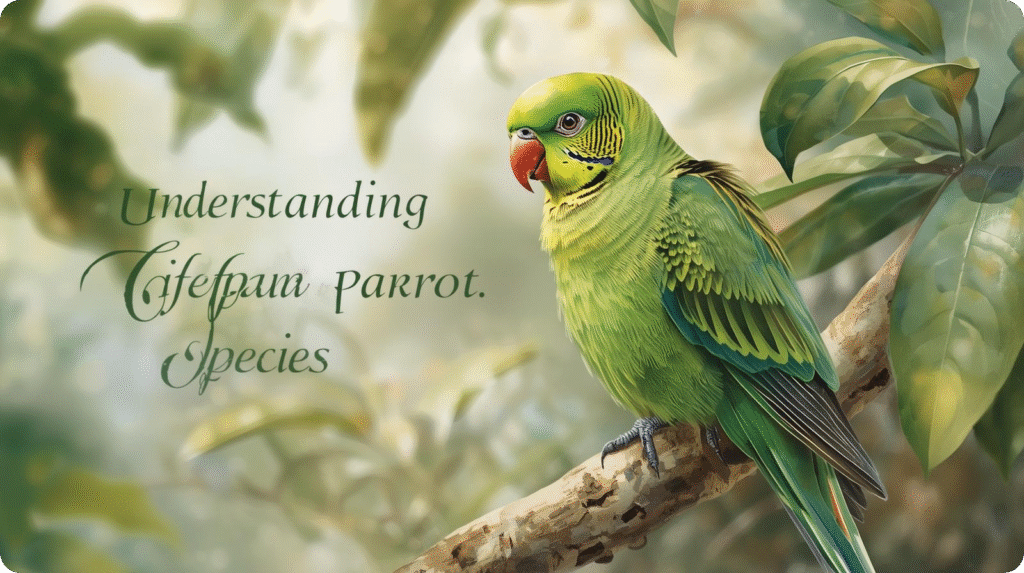
Before looking at what affects how long animals live, we should know which species are “lifespan of green parrots” and their average lifespans.
Common Green Parrot Species
Indian Ringneck Parakeet: These stunning birds typically live 25-30 years in captivity when properly cared for. People recognize them for their bright green bodies and distinctive neck rings.
Monk Parakeet (Quaker Parrot): With an average lifespan of green parrots in this category ranging from 20-30 years, Quakers are hardy birds that adapt well to captivity.
Green-Cheeked Conure: These small parrots live about 10 to 25 years. With great care, many live longer.
Amazon Parrots: Many Amazon species have mostly green feathers. They can live for 40 to 70 years. This makes them some of the longest-living pet birds.
Budgerigars (Wild Type Green): Though smaller, wild-type green budgies can live 5-10 years, with exceptional individuals reaching 15 years.
Understanding your specific green parrot species is the first step in providing appropriate care that supports maximum longevity.
Factor 1: Nutrition and Diet Quality
The single most critical factor affecting the lifespan of green parrots is their nutritional intake. In the wild, parrots consume a diverse array of foods including seeds, nuts, fruits, vegetables, flowers, and insects. Replicating this variety in captivity is essential for long-term health.
The Dangers of Seed-Only Diets
Many well-intentioned parrot owners feed their birds primarily seeds, not realizing this contributes to significantly shortened lifespans. Seeds are high in fat and lack essential vitamins and minerals, particularly Vitamin A, calcium, and various amino acids. A seed-only diet is comparable to humans eating nothing but potato chips—filling but nutritionally devastating.
Parrots fed exclusively seeds often develop:
· Fatty liver disease
· Obesity
· Vitamin A deficiency leading to immune suppression
· Calcium deficiency causing weak bones and egg binding in females
· Atherosclerosis and heart disease
· Shortened lifespan by 30-50% compared to properly fed birds
Optimal Nutrition for Extended Lifespan
To maximize the lifespan of green parrots, nutrition should include:
High-Quality Pellets (50-60% of diet): Formulated pellets provide balanced nutrition and should form the foundation of your parrot’s diet. Choose organic, naturally colored pellets without artificial dyes.
Fresh Vegetables (30-35% of diet): Dark leafy greens, carrots, bell peppers, broccoli, and squash provide essential vitamins and minerals. These should be offered daily in variety.
Fresh Fruits (5-10% of diet): Berries, apples, melons, and pomegranates offer antioxidants and natural sugars. Limit fruit due to sugar content.
Healthy Treats (5% of diet): Nuts, whole grains, and legumes provide enrichment and additional nutrients. Almonds, walnuts, and sprouted seeds are excellent choices.
Clean Water: Fresh, filtered water should always be available and changed at least twice daily.
Foods to Avoid
Certain foods are toxic to parrots and can dramatically reduce the lifespan of green parrots:
· Avocado (highly toxic)
· Chocolate
· Caffeine
· Alcohol
· Salt and high-sodium foods
· Processed sugars
· Raw onions and garlic
Nutrition Comparison Table
| Diet Type | Average Lifespan Impact | Common Health Issues | Nutritional Completeness |
|---|---|---|---|
| Balanced Varied Diet | Maximum lifespan potential | Minimal with proper care | Outstanding (100%+) |
| Pellet-Based | Optimal lifespan | Rare when supplemented properly | Excellent (95-100%) |
| Poor Quality/Inconsistent | 20-30% reduction | Malnutrition, weakened immunity | Poor (40-60%) |
| Seed-Only | 40-50% reduction | Fatty liver, obesity, vitamin deficiencies | Very Poor (20-30%) |
Factor 2: Veterinary Care and Disease Prevention
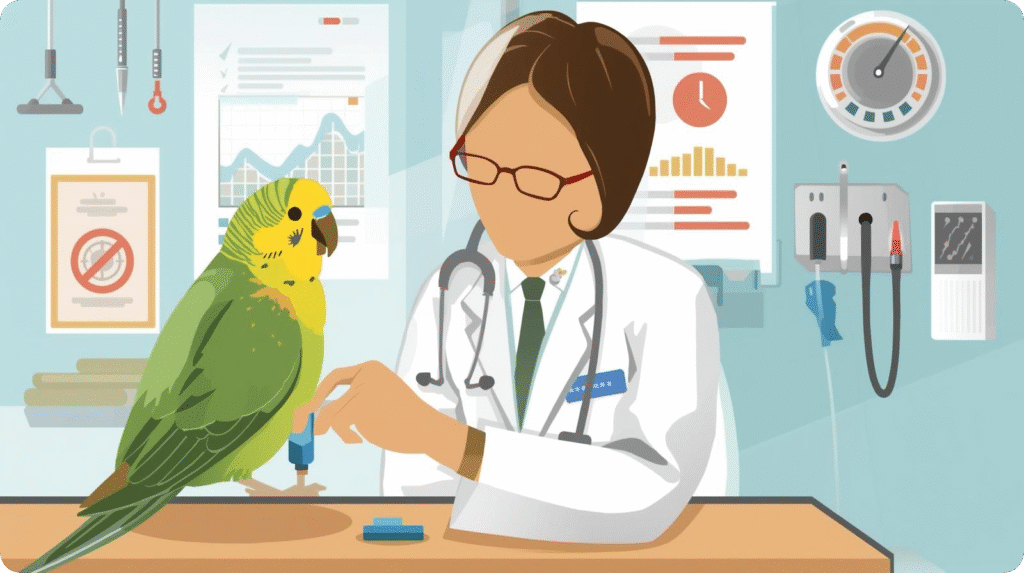
Regular veterinary care profoundly impacts the lifespan of green parrots. Unlike cats and dogs, parrots are experts at hiding illness—a survival mechanism from their wild ancestry where showing weakness makes them vulnerable to predators. By the time symptoms are obvious, disease may be advanced.
Importance of Avian Veterinarians
Not all veterinarians are trained in avian medicine. Finding a certified avian veterinarian is crucial for your lifespan of green parrot’s long-term health. These specialists understand the unique physiology, nutritional needs, and disease patterns specific to birds.
Recommended Veterinary Schedule
Annual Wellness Exams: Even apparently healthy parrots should see an avian vet yearly. These exams typically include:
· Physical examination
· Weight monitoring
· Beak and nail trimming if needed
· Discussion of diet and behavior
· Blood work (recommended annually for birds over 5 years)
Senior Bird Care: Parrots over 15-20 years (depending on species) benefit from twice-yearly exams to catch age-related conditions early.
Emergency Care: Knowing when to seek immediate veterinary attention can save your bird’s life and extend the lifespan of green parrots.
Common Health Conditions Affecting Lifespan
Psittacosis (Chlamydiophila psittaci): This bacterial infection affects the respiratory system and can be fatal if untreated. Regular screening helps catch it early.
Psittacine Beak and Feather Disease (PBFD): This viral disease affects the immune system, feathers, and beak. There’s no cure, but supportive care can improve quality of life.
Aspergillosis: This fungal respiratory infection is common in birds with compromised immune systems, often resulting from poor nutrition or stress.
Reproductive Issues: Chronic egg-laying in females can lead to calcium depletion, egg binding, and peritonitis, all life-threatening conditions.
Obesity and Fatty Liver Disease: As mentioned in the nutrition section, these metabolic conditions significantly reduce the lifespan of green parrots.
Preventive Care Measures
Quarantine New Birds: Any new bird should be quarantined for 30-45 days and veterinary checked before introduction to existing birds.
Maintain Clean Environment: Regular cage cleaning prevents bacterial and fungal growth that can cause respiratory infections.
Monitoring for Early Illness Signs: Learn to recognize subtle changes in behavior, droppings, breathing, or appetite that may indicate illness.
Factor 3: Environmental Conditions and Housing
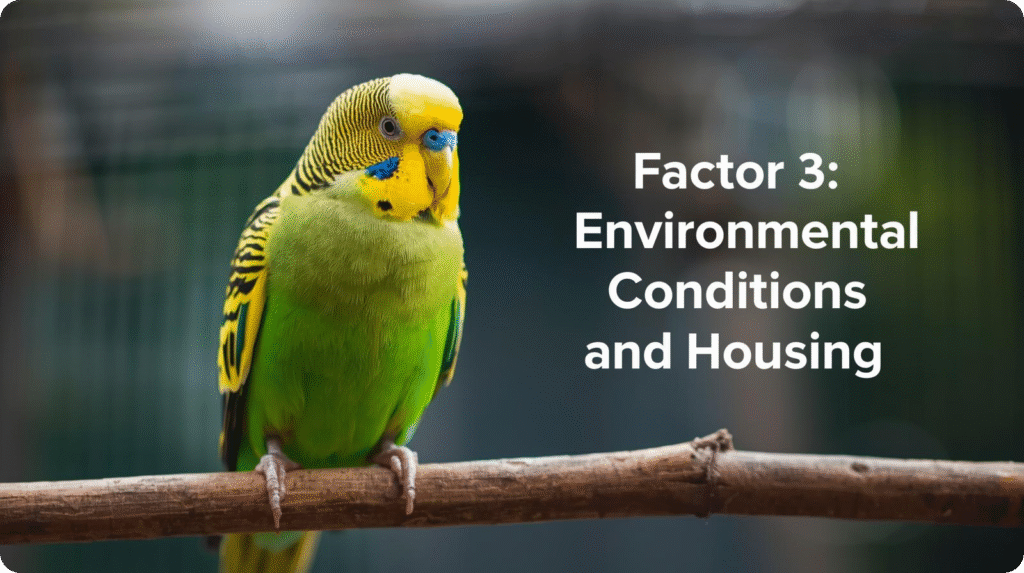
The living environment directly influences the lifespan of green parrots through its impact on physical health, mental stimulation, and stress levels.
Cage Size and Design
Minimum Space Requirements: Green parrots need spacious cages allowing them to fully extend their wings and move freely. As a general rule, the cage should be at least 2-3 times the bird’s wingspan in width and depth.
For Indian Ringnecks and similar-sized parrots, minimum cage dimensions should be 24″ W x 24″ D x 36″ H. Larger species like Amazons require cages of 36″ W x 36″ D x 48″ H or larger.
Bar Spacing: Appropriate bar spacing prevents injury and escape. For medium parrots, 5/8″ to 3/4″ spacing is ideal, while larger Amazons need 3/4″ to 1″ spacing.
Cage Material: Stainless steel is the safest, most durable option. Avoid zinc or lead-coated cages, as heavy metal toxicity severely shortens the lifespan of green parrots.
Temperature and Humidity
Optimal Temperature Range: Most green parrot species thrive in temperatures between 65-80°F (18-27°C). Sudden temperature fluctuations should be avoided.
Humidity Levels: Parrots generally do well with 40-60% humidity. Low humidity can cause respiratory issues and dry, flaky skin, while excessive humidity promotes fungal growth.
Air Quality: Parrots have highly sensitive respiratory systems. The following must be kept away from parrots:
· Teflon and other non-stick cookware fumes (fatal)
· Smoke from cigarettes, candles, or incense
· Aerosol sprays and air fresheners
· Strong cleaning chemicals
· Perfumes and scented products
Lighting Requirements
Natural Light Exposure: Full-spectrum lighting supporting Vitamin D3 synthesis is crucial for calcium metabolism and overall health. Parrots should receive 10-12 hours of quality light daily.
Day/Night Cycle: Maintaining consistent light and dark cycles regulates hormones and supports healthy sleep patterns. Most parrots need 10-12 hours of uninterrupted sleep in a dark, quiet environment.
Location Considerations
Social Integration: While parrots need quiet sleep areas, their daytime location should allow them to observe and interact with family members. Isolation causes psychological distress that can reduce the lifespan of green parrots.
Safety from Hazards: Keep cages away from windows with direct sunlight (overheating risk), kitchens (fume exposure), and high-traffic areas where the bird might be accidentally injured.
Factor 4: Mental Stimulation and Enrichment
Parrots are among the most intelligent birds, with cognitive abilities comparable to primates. Mental stimulation is not optional—it’s essential for maintaining the psychological health that supports extended lifespan of green parrots.
The Cognitive Needs of Parrots
Research shows parrots possess problem-solving abilities, can learn hundreds of words, understand concepts like “same” and “different,” and even demonstrate empathy. Without adequate mental challenges, parrots develop psychological issues that manifest as physical health problems.
Behavioral Problems from Poor Enrichment
Inadequate mental stimulation leads to:
Feather Destructive Behavior: Self-plucking and mutilation indicate severe psychological distress and can lead to infections that reduce lifespan.
Aggression: Biting and territorial behavior often stem from boredom and frustration.
Depression: Parrots can become lethargic, lose appetite, and develop weakened immune systems when mentally under-stimulated.
Stereotypic Behaviors: Repetitive, purposeless movements like pacing or head-bobbing indicate poor welfare.
Enrichment Strategies
Foraging Opportunities: In the wild, parrots spend 60-80% of their day foraging. Recreate this by:
· Hiding treats in foraging toys
· Wrapping food in paper for the bird to unwrap
· Using puzzle feeders that require problem-solving
· Scattering food among cage branches rather than feeding only from bowls
Toy Rotation: Provide 5-7 toys but rotate them weekly to maintain novelty. Include:
· Destructible toys (wood, paper, palm)
· Puzzle toys requiring manipulation
· Preening toys (leather, rope)
· Noise-making toys (bells, clackers)
Social Interaction: Parrots are flock animals requiring daily interaction:
· At least 2-4 hours of direct interaction with family members
· Training sessions teaching tricks and behaviors
· Inclusion in family activities (safely supervised)
· If possible, a companion parrot (though some species prefer being the only bird)
Training and Learning: Regular training sessions provide mental exercise and strengthen the human-bird bond. Positive reinforcement training can teach:
· Step-up commands
· Flight recall
· Target training
· Tricks (wave, turn around, retrieve)
Environmental Complexity
Varied Perches: Different diameters, textures, and materials (natural wood, rope, concrete) promote foot health and provide sensory stimulation.
Out-of-Cage Time: Green parrots should have 2-4 hours daily outside their cage in a bird-proofed area, allowing exercise and exploration that support extended lifespan of green parrots.
Factor 5: Stress Management and Emotional Wellbeing
Chronic stress is a silent killer that significantly reduces the lifespan of green parrots. Understanding and managing stress factors is essential for longevity.
Sources of Stress in Captive Parrots
Lack of Routine: Parrots thrive on predictable schedules. Irregular feeding times, inconsistent sleep schedules, or frequent household disruptions create anxiety.
Inadequate Sleep: Sleep deprivation causes immunosuppression, hormonal imbalances, and behavioral problems. Most parrots need 10-12 hours of quiet, dark sleep nightly.
Inappropriate Social Dynamics: Both isolation and forced interaction with people or animals the parrot fears create significant stress.
Hormonal Triggers: Long daylight hours, nesting sites (boxes, dark corners), and certain petting patterns (back stroking) can trigger breeding behavior, causing frustration and aggression when breeding isn’t possible.
Loud Noises and Chaos: While parrots can be noisy themselves, unexpected loud sounds (fireworks, construction, shouting) cause fear responses.
Improper Handling: Forcing interaction, restraining unnecessarily, or punishment-based training creates trauma and chronic stress.
Impact of Stress on Lifespan
Chronic stress affects the lifespan of green parrots through multiple mechanisms:
Immunosuppression: Stress hormones (corticosterone in birds) suppress immune function, making birds susceptible to infections that healthy birds would resist.
Self-Harm: Stressed parrots may pluck feathers, develop stereotypic behaviors, or refuse food, all reducing longevity.
Cardiovascular Impact: Chronic stress contributes to atherosclerosis and heart disease in parrots, similar to its effects in humans.
Behavioral Deterioration: Stress-induced aggression can lead to injuries, and severe anxiety may cause birds to panic and injure themselves.
Stress Reduction Strategies
Establish Consistent Routines: Feed, interact with, and put your parrot to bed at similar times daily. Predictability provides security.
Create Safe Spaces: Ensure your parrot has areas in their cage where they feel secure, such as elevated perches or partially enclosed spaces.
Respect Body Language: Learn to recognize when your parrot wants interaction versus when they need space. Signs of stress include:
· Pinned eyes (rapidly contracting pupils)
· Raised feathers
· Hissing or lunging
· Turning away or backing into corners
· Stress bars on feathers (indicating past stress)
Proper Socialization: Gradually introduce your parrot to new people, situations, and environments using positive reinforcement, building confidence rather than forcing exposure.
Hormonal Management: Limit daylight to 10-12 hours, remove nesting materials, avoid petting the back/wings (reserve head and neck only), and maintain consistent routines to prevent triggering breeding behavior that leads to frustration.
Environmental Predictability: While enrichment requires novelty, major environmental changes should be gradual. When moving cages or changing room arrangements, do so slowly over several days.
Additional Factors Influencing Lifespan
While the five major factors discussed above are primary, several other elements contribute to the lifespan of green parrots.
Genetic Factors
Breeding Quality: Parrots from reputable breeders who avoid inbreeding and select for health tend to have fewer genetic health issues and longer lifespans.
Species Longevity: Inherent species differences mean larger parrots generally live longer than smaller ones, though proper care maximizes potential in all species.
Exercise and Physical Activity
Flight Opportunities: Flight is the natural form of exercise for parrots. Birds who can fly regularly or engage in active climbing develop better cardiovascular health and muscle tone, supporting extended lifespan of green parrots.
Physical Enrichment: Encouraging natural behaviors like climbing, hanging, and wing-flapping promotes physical health and mental wellbeing.
Breeding and Reproduction
Breeding Stress: Female parrots who are repeatedly bred experience calcium depletion, egg-binding risks, and general physical exhaustion that can reduce lifespan.
Reproductive Diseases: Chronic egg-laying, even without a mate, causes serious health issues including osteoporosis, peritonitis, and egg-binding.
Toxin Exposure
Heavy Metals: Lead and zinc poisoning from cage materials, toys, or household items can cause neurological damage and death.
Household Hazards: Aside from Teflon, other toxic exposures include chocolate, avocado, certain house plants, essential oils, and pesticides.
Accidents and Injuries
Home Safety: Ensuring a bird-proofed environment prevents accidents like drowning in toilets, escape through open windows, ceiling fan injuries, and predation by other household pets.
Lifespan Comparison: Well-Cared vs. Poorly-Cared Green Parrots
| Factor | Well-Cared Parrot | Poorly-Cared Parrot | Impact on Lifespan |
|---|---|---|---|
| Diet | Varied, balanced, pellet-based | Seed-only or inconsistent | 10-20 year difference |
| Vet Care | Annual exams, prompt treatment | Rare or no vet visits | 5-15 year difference |
| Housing | Spacious, clean, proper conditions | Small cage, poor air quality | 5-10 year difference |
| Enrichment | Daily interaction, toys, foraging | Minimal stimulation | 5-10 year difference |
| Stress Level | Low, managed, stable routine | High, chaotic, unpredictable | 5-10 year difference |
| Total Potential Lifespan | 25-50+ years (species dependent) | 5-15 years | 20-35 year difference |
This comparison dramatically illustrates how the five factors affecting the lifespan of green parrots work together to either support or undermine longevity.
Creating a Longevity Plan for Your Green Parrot
Maximizing the lifespan of green parrots requires a comprehensive, long-term approach that addresses all factors discussed.
Daily Care Checklist
Fresh water (changed 2-3 times daily)
· Varied, balanced meals (vegetables, pellets, minimal seeds)
· 2-4 hours of out-of-cage time
· Social interaction and training
· Cage spot-cleaning
· Health observation (droppings, behavior, appetite)
· 10-12 hours of dark, quiet sleep
Weekly Care Checklist
· Deep cage cleaning
· Toy rotation and inspection
· Perch cleaning
· Food storage check (ensure no mold or spoilage)
· Weight check (weekly for growing birds, monthly for adults)
· Nail and beak inspection
Monthly Care Checklist
· Review diet variety and adjust as needed
· Deep clean food and water dishes
· Replace worn toys
· Evaluate enrichment effectiveness
· Schedule vet appointment if any concerns arise
Annual Care Checklist
· Complete veterinary exam with blood work
· Comprehensive diet evaluation
· Cage and equipment inspection and replacement as needed
· Review and update emergency care plan
· Assess living environment for improvements
Signs Your Green Parrot Is Thriving
When all five factors affecting the lifespan of green parrots are optimized, you’ll observe:
Physical Signs of Health:
· Bright, clear eyes
· Smooth, glossy feathers with good color
· Healthy skin and beak
· Normal, consistent droppings
· Appropriate body weight
· Active, coordinated movement
Behavioral Signs of Wellbeing:
· Vocalization and communication
· Playful interaction with toys and people
· Healthy appetite with food exploration
· Normal preening behavior
· Curiosity about the environment
· Appropriate sleep patterns
Psychological Indicators:
· Bonding with family members
· Willingness to learn and train
· Confidence in exploring
· Minimal fear or aggression
· Natural foraging behaviors
The Long-Term Commitment
Understanding the lifespan of green parrots means recognizing that these birds are truly long-term companions. A green parrot adopted as a young bird may outlive some pets, witness major life changes, and remain a family member for decades.
This longevity requires:
Financial Planning: Budget for annual vet costs ($200-500), quality food ($50-100/month), toys and enrichment ($30-50/month), and emergency medical care (potentially thousands).
Lifestyle Considerations: Travel becomes more complex with a parrot. Consider who will provide care during vacations or emergencies.
Estate Planning: For long-lived species like Amazon parrots, include provisions in your will ensuring your bird receives appropriate care if you predecease them.
Relationship Investment: The time invested in daily care, training, and interaction accumulates over decades. Ensure you’re prepared for this commitment.
Frequently Asked Questions About the Lifespan of Green Parrots
How long do green parrots live in captivity?
The lifespan of green parrots in captivity varies significantly by species. Indian Ringneck Parakeets typically live 25-30 years, Monk Parakeets 20-30 years, Green-Cheeked Conures 10-25 years, and green Amazon parrots can live 40-70 years when provided with optimal care.
Proper nutrition, veterinary care, mental stimulation, appropriate housing, and stress management are essential for reaching these lifespans.
What is the most important factor affecting lifespan of green parrots?
While all five factors are interconnected, nutrition is arguably the most critical single factor affecting the lifespan of green parrots.
A balanced diet prevents numerous diseases including fatty liver disease, obesity, vitamin deficiencies, and cardiovascular problems.
However, even perfect nutrition cannot fully compensate for inadequate veterinary care, poor housing, lack of enrichment, or chronic stress.
Can lifespan of green parrots live longer than 50 years?
Yes, certain green parrot species, particularly larger Amazon parrots, can live 60-70 years or occasionally even longer with exceptional care.
The oldest documented Amazon parrot lived to 104 years. However, achieving such longevity requires optimal care across all five factors throughout the bird’s entire life. Smaller green parrot species like budgerigars and parrotlets have shorter natural lifespans of 5-15 years.
Do male or female lifespan of green parrots live longer?
There is no consistent evidence that either sex lives significantly longer in most green parrot species.
However, female parrots face unique health risks related to egg-laying, including egg-binding, calcium depletion, and reproductive organ diseases, which can reduce lifespan if not properly managed.
Preventing chronic egg-laying through environmental management is crucial for female birds.
How can I tell if my green parrot is healthy and likely to have a long lifespan?
A healthy green parrot displays bright, alert eyes; smooth, colorful feathers; active behavior with interest in surroundings; healthy appetite with eagerness to try new foods; normal droppings (formed with white urates and clear liquid); appropriate body weight without obesity; and regular vocalization and interaction.
Regular veterinary check-ups provide the most reliable assessment of your bird’s health status and can identify issues before they become serious.
What are the most common causes of premature death in green parrots?
The most common reasons for shorter lifespans in green parrots include malnutrition. This often happens with seed-only diets that can harm their organs.
Toxin exposure is another issue. This includes Teflon fumes, heavy metals, and household chemicals.
Untreated diseases also play a role, often due to not getting veterinary care. Accidents can happen too, like flying into windows or being harmed by other pets.
Drowning is another risk. Lastly, chronic stress can lead to self-harm or weak immune systems. Most of these causes are preventable with proper care and awareness.
Do green parrots need a companion bird to live longer?
This depends on the species and individual bird. Some green parrots thrive with a companion bird of the same species, which can provide social enrichment and reduce loneliness. However, others prefer being the only bird and bonding exclusively with their human family.
Forcing incompatible birds together creates stress that can reduce the lifespan of green parrots. If you work long hours and can’t spend much time with your bird, a good companion can help. This can improve your bird’s mental health.
How does the lifespan of captive green parrots compare to wild ones?
Interestingly, captive green parrots generally live significantly longer than their wild counterparts when provided excellent care. Wild parrots face predation, food scarcity, disease, harsh weather, and habitat destruction that captive birds avoid.
However, captive parrots that are not well cared for may live shorter lives than wild parrots. This is often due to malnutrition, stress, and diseases that could be prevented.
The key is to give captive birds safety and medical care. We must also meet their physical and mental needs.
At what age is a green parrot considered senior?
This varies by species. People consider smaller green parrots, like budgerigars, seniors at about 6 to 8 years old. Medium-sized parrots, like Indian Ringnecks, are seniors at around 15 to 20 years. Large Amazons are not seniors until they are 30 to 40 years old.
Older birds benefit from veterinary exams twice a year. They also need changes in their diet and exercise. It is important to watch for age-related issues like arthritis, cataracts, and organ problems.
Can I improve the lifespan of green parrots an older rescue?
Absolutely! While you cannot reverse past damage entirely, implementing the five factors affecting lifespan of green parrots—improved nutrition, regular veterinary care, better housing, enrichment, and stress reduction—can significantly improve remaining years and quality of life.
Many rescue parrots demonstrate remarkable improvement when caregivers finally meet their needs. Work with a bird vet to fix any health problems. Create a care plan for your bird’s needs.
Conclusion
The quality of care that green parrots receive throughout their lives profoundly influences their lifespan. The five key factors are nutrition and diet quality, veterinary care, environmental conditions, mental stimulation, and stress management. These factors work together to support or harm your bird’s lifespan.
To help your green parrot live a long life, provide a balanced diet. This diet should include vegetables and good pellets.
Make sure to take your parrot to a vet who specializes in birds. Create a safe and spacious living area for them.
Offer daily mental stimulation with foraging activities and social time. Manage stress by keeping a consistent routine and handling them properly.
The difference between good and bad care can add 20-35 years to a bird’s life. This can change a bird that lives 10-15 years into a lifelong friend for 30-50 years or more. Green parrots are not just pets.
They are smart and emotional creatures. They need careful and dedicated care. This care should respect their complex needs.
Understanding how long green parrots live means knowing the commitment needed. It also means enjoying the great reward of spending many years with these amazing birds.
If you have a green parrot or want to get one, these five tips will help you build a long, healthy, and rewarding relationship. Your green parrot’s lifespan depends on the care, attention, and love you give them every day. This makes each day important for having many more years together.
Leave a Reply