




Learning how to care for a parakeet is essential for anyone considering these delightful, colorful birds as pets. Parakeets, also known as budgies or budgerigars, are among the most popular pet birds worldwide, and for good reason. These small, intelligent creatures can bring years of joy and companionship to your home when properly cared for.
Understanding how to care for a parakeet involves more than just providing food and water—it requires creating a safe, stimulating environment, offering proper nutrition, ensuring regular health care, and building a strong bond with your feathered friend.
This guide will help you learn how to care for a parakeet. It covers choosing the right cage and understanding their behaviors and needs.
Understanding Your Parakeet: Species Background and Temperament
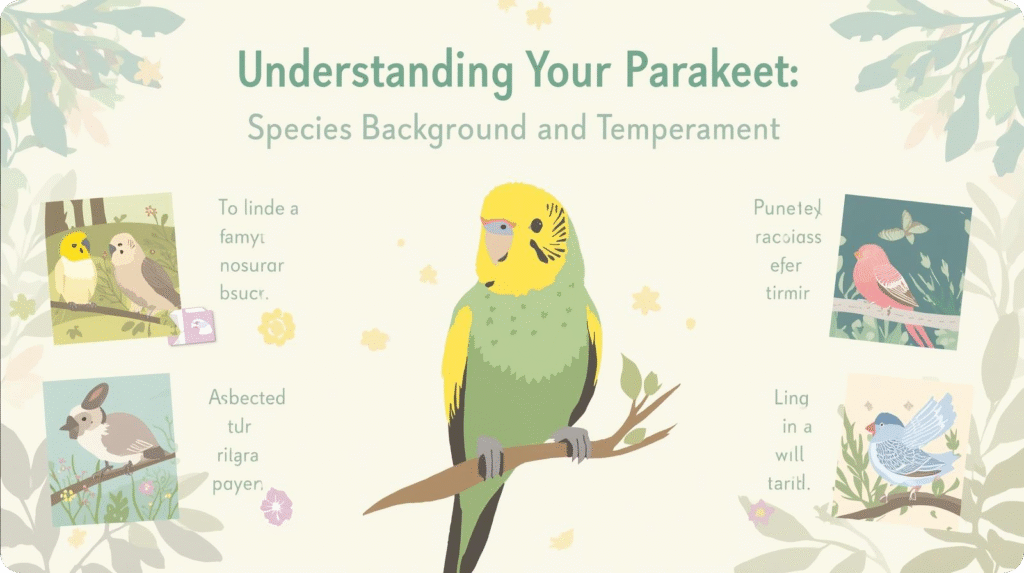
Before diving into the practical aspects of how to care for a parakeet, it’s helpful to understand what makes these birds so special. Parakeets are native to Australia, where they live in large flocks in the wild. Domestic parakeets need interaction and companionship. They enjoy being with their human caregivers or other birds.
Parakeets typically live 7 to 15 years with proper care, though some can reach 20 years. They are small birds, about 7 inches long from head to tail. This makes them great for apartments or homes with little space. Their intelligence rivals that of much larger parrots, and they can learn to mimic words and sounds, perform tricks, and even solve simple puzzles.
When you learn how to care for a parakeet properly, you’ll discover that these birds have distinct personalities. Some are bold and outgoing, while others are shy and reserved. Understanding your individual bird’s temperament is a crucial part of providing excellent care.
Choosing the Perfect Cage for Your Parakeet

One of the most important aspects of how to care for a parakeet is selecting an appropriate cage. Your parakeet’s cage is their home and safe space. It must meet certain needs to keep them healthy and happy.
Cage Size and Dimensions
The smallest cage for one parakeet should be 18 inches long, 18 inches deep, and 18 inches tall. However, a larger cage is always better.
Parakeets are active birds that need space to fly, hop between perches, and exercise. If you want to keep two parakeets together, it is often a good idea. You should make the cage bigger. Aim for a cage that is at least 30 inches long.
Horizontal bar spacing is crucial when learning how to care for a parakeet. Space the bars no more than half an inch apart to prevent your bird from getting its head stuck between them. Additionally, cages with horizontal bars on at least two sides are preferable because parakeets love to climb.
Cage Placement and Safety
Where you place the cage is just as important as the cage itself when considering how to care for a parakeet. Position the cage in a room where your family spends time, as parakeets are social and want to be part of the action. However, avoid placing the cage in the kitchen, where fumes from non-stick cookware can be fatal to birds.
The cage should be away from direct sunlight, drafts, air conditioning vents, and heating sources. Keep it at a comfortable height—approximately eye level—so your parakeet doesn’t feel vulnerable or dominant. Never place the cage on the floor, as this may threaten and stress your bird.
Essential Cage Accessories
When learning how to care for a parakeet, you’ll need to equip the cage with several essential items:
- Perches: Offer at least three perches made of different materials and sizes. Natural wood branches are great for your parakeet. They help exercise your bird’s feet and prevent arthritis.
- Food and water dishes: Use heavy ceramic or stainless steel bowls that attach securely to the cage to prevent tipping
- Toys: Include 3-4 toys that you rotate regularly to prevent boredom—parakeets enjoy bells, mirrors, swings, and foraging toys
- Cuttlebone or mineral block: These provide essential calcium and help keep your parakeet’s beak trimmed
- Cage liner: Use newspaper, paper towels, or commercial cage liners that are changed daily
Nutrition: Feeding Your Parakeet Properly
Understanding proper nutrition is fundamental to knowing how to care for a parakeet. A balanced diet is the foundation of your bird’s health and longevity.
Seeds and Pellets: The Foundation
Commercial parakeet seed mixes have been the main food for a long time. However, new research shows that pellets should be the main part of your parakeet’s diet. High-quality pellets provide all the nutrients birds need. They stop birds from picking only their favorite seeds and leaving the healthy ones.
When learning how to care for a parakeet, aim for a diet that consists of 60-70% pellets and 30-40% fresh foods. If your parakeet eats only seeds, change its diet slowly over a few weeks. Mix more pellets with fewer seeds each week.
Fresh Fruits and Vegetables
Daily fresh foods are essential when considering how to care for a parakeet. Offer a variety of fresh, organic fruits and vegetables, including:
Safe vegetables:
- Dark leafy greens like kale, spinach, and romaine lettuce
- Carrots, bell peppers, and broccoli
- Peas, corn, and green beans
- Cucumber and zucchini
Safe fruits:
- Apples (without seeds), berries, and grapes
- Melon, mango, and papaya
- Bananas and kiwi (in moderation due to sugar content)
Wash all produce thoroughly and remove any uneaten fresh food within 2-3 hours to prevent bacterial growth. – Do not feed your parakeet certain foods.
– Avoid giving them avocado, chocolate, caffeine, and alcohol.
– Also, do not feed them onions or garlic.
– Stay away from foods that are high in salt, sugar, or fat. These foods can be harmful.
Fresh Water Daily
Clean, fresh water is absolutely critical when learning how to care for a parakeet. Change your bird’s water at least once daily, and more frequently if it becomes soiled. Some parakeets enjoy bathing in their water dishes, so you may need to change water multiple times per day.
Think about giving a shallow dish for bathing. You can also use a clean spray bottle with lukewarm water for a spray bath. Many parakeets love a light misting, especially in dry climates.
Daily Care Routines and Maintenance
Consistency is key when understanding how to care for a parakeet. Establishing daily routines helps your bird feel secure and ensures you don’t overlook important care tasks.
Morning Routine
Start each day by greeting your parakeet and uncovering their cage if you use a cover at night. Check that your bird appears healthy and active, then provide fresh water and food. Remove and clean the food and water dishes daily to prevent bacterial growth.
Throughout the Day
When learning how to care for a parakeet, remember that these birds need mental stimulation. Spend time interacting with your parakeet through talking, singing, or offering treats. If possible, allow supervised out-of-cage time in a bird-safe room for at least 2-3 hours daily.
Evening Routine
In the evening, take away any leftover fresh food. Refill seed or pellet dishes if needed.
Make sure fresh water is available. Many parakeet owners cover their bird’s cage at night. This creates a dark and quiet place for sleeping. It can help the bird have a healthy sleep schedule of 10 to 12 hours each night.
Weekly Cleaning Tasks
Part of how to care for a parakeet involves thorough weekly cage maintenance:
- Remove all toys, perches, and accessories and wash them with hot, soapy water
- Scrub the cage bars, bottom tray, and any crevices where debris accumulates
- Rinse everything thoroughly to remove all soap residue
- Replace cage liner materials
- Inspect toys for wear and replace any that are damaged
Health Care and Monitoring
Recognizing signs of illness early is a crucial aspect of how to care for a parakeet. Birds are prey animals that instinctively hide illness, so you must be observant.
Signs of a Healthy Parakeet
When you understand how to care for a parakeet properly, you’ll recognize these signs of good health:
- Bright, alert eyes with no discharge
- Clean, smooth feathers that are preened regularly
- Active behavior and normal vocalizations
- Good appetite and normal droppings
- Clear nares (nostrils) with no discharge
- Proper breathing without tail bobbing or labored efforts
Warning Signs of Illness
Learn how to care for a parakeet by recognizing these warning signs that require immediate veterinary attention:
- Fluffed feathers and lethargy
- Loss of appetite or weight loss
- Discharge from eyes, nares, or vent
- Changes in droppings (color, consistency, or frequency)
- Difficulty breathing or tail bobbing with each breath
- Lameness or inability to perch properly
- Behavioral changes, such as increased aggression or withdrawal
Finding an Avian Veterinarian
An essential part of how to care for a parakeet is establishing a relationship with a qualified avian veterinarian before emergencies arise. Not all veterinarians work with birds. So, look for avian specialists near you when you bring your parakeet home.
Schedule a wellness checkup within the first few days of bringing your new bird home, then annual checkups thereafter. During these visits, your vet will examine your parakeet, trim nails and wings if desired, and answer any questions about how to care for a parakeet.
Grooming Needs
While parakeets are relatively low-maintenance, understanding how to care for a parakeet includes managing their grooming needs:
Nail trimming: If your parakeet’s nails become too long, they may need trimming every few months. Your veterinarian can do this, or you can learn to do it safely at home.
Beak care: A healthy parakeet with proper perches and toys will naturally keep their beak trimmed. If the beak becomes overgrown, consult your veterinarian.
Bathing: Most parakeets enjoy bathing several times per week. Offer a shallow dish of water, use a spray bottle, or even let them splash under a gently running faucet.
Socialization and Bonding with Your Parakeet
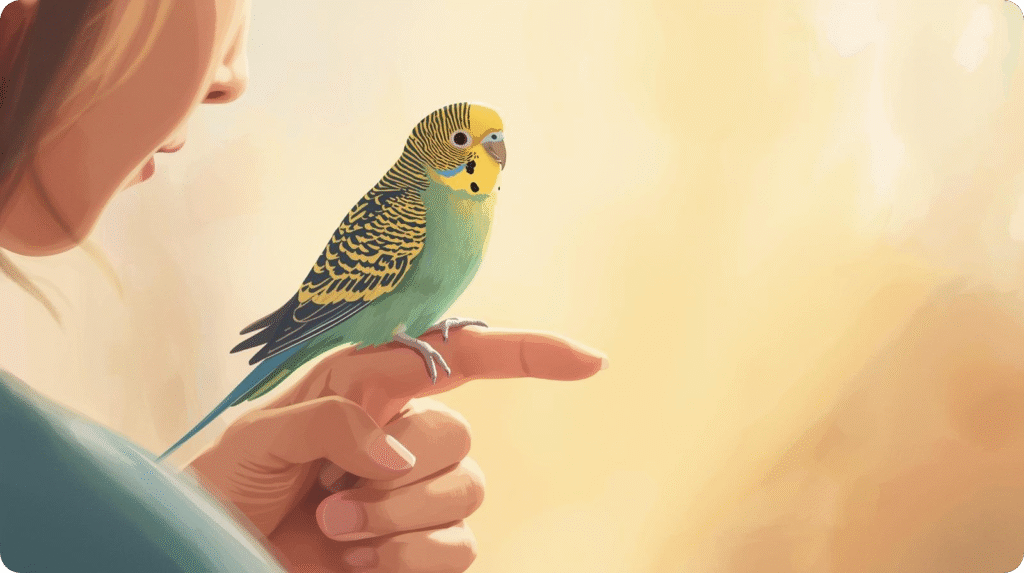
Understanding how to care for a parakeet emotionally is just as important as meeting their physical needs. These intelligent, social birds require daily interaction and mental stimulation.
Building Trust
When you first bring your parakeet home, give them several days to adjust to their new environment before attempting handling. Talk softly near the cage, move slowly, and let your bird observe you. This patience is fundamental to how to care for a parakeet and build a lasting bond.
Once your parakeet seems comfortable, begin offering treats through the cage bars. Millet spray is particularly effective for building trust. Gradually work toward having your bird eat from your hand inside the cage, then eventually stepping onto your finger.
Training and Enrichment
Teaching your parakeet tricks and commands is an excellent way to provide mental stimulation. When considering how to care for a parakeet’s cognitive needs, try these activities:
- Target training using a small stick
- Teaching step-up and step-down commands
- Encouraging speech by repeating words and phrases
- Providing foraging toys that require problem-solving
- Rotating toys regularly to maintain interest
Single Versus Paired Parakeets
An important decision in how to care for a parakeet is whether to keep one bird or two. Single parakeets typically bond more closely with their human companions and are more likely to learn to talk. However, they require significantly more daily interaction from you to meet their social needs.
Paired parakeets keep each other company. They are less likely to feel lonely or bored. However, they may not bond as much with humans.
If you work long hours or travel frequently, two parakeets might be the better choice. Just ensure your cage is large enough to accommodate both birds comfortably.
Environmental Enrichment and Exercise
Creating a stimulating environment is central to how to care for a parakeet properly. Mental and physical exercise prevents boredom-related behavior problems.
Out-of-Cage Time
Daily flight time is essential for your parakeet’s physical health. Before allowing your bird out, ensure the room is bird-safe by:
- Closing all windows and doors
- Covering mirrors and large windows to prevent collision injuries
- Removing toxic plants
- Securing other pets in different rooms
- Turning off ceiling fans
- Covering open water sources like toilets or sinks
Start with short, supervised sessions and gradually increase the duration as your parakeet becomes comfortable flying in your home.
Toy Variety and Rotation
When learning how to care for a parakeet, understand that toys serve multiple purposes beyond entertainment. They provide:
- Physical exercise through climbing and swinging
- Mental stimulation through foraging and puzzle-solving
- Beak exercise through chewing and shredding
- Comfort and security, especially with favorite toys
Rotate toys every week or two to maintain novelty and interest. Observe which types your parakeet prefers—some love bells and mirrors, while others prefer shredding toys or foraging puzzles.
Music and Sound
Parakeets generally enjoy music and environmental sounds. Playing soft music, nature sounds, or leaving the TV on low volume can help when you’re not home. Some parakeets even enjoy “singing along” to their favorite songs.
Common Behavioral Issues and Solutions
Part of learning how to care for a parakeet involves addressing behavioral challenges that may arise.
Excessive Screaming
While some vocalization is normal and healthy, excessive screaming can indicate problems. Common causes include:
- Lack of attention or interaction
- Boredom from insufficient toys or enrichment
- Fear or stress from environmental changes
- Illness or discomfort
Address excessive screaming by ensuring your parakeet receives adequate attention, mental stimulation, and a consistent routine. Never yell at or physically punish a screaming bird, as this reinforces the behavior.
Feather Plucking
Feather plucking is a serious behavioral issue that can have medical or psychological causes. If your parakeet begins plucking feathers, consult an avian veterinarian immediately to rule out illness, parasites, or nutritional deficiencies.
If medical causes are eliminated, stress, boredom, or loneliness often lead to feather plucking. Understanding how to care for a parakeet includes recognizing that increased environmental enrichment, more interaction time, or adding a companion bird may help resolve the issue.
Biting
Parakeets may bite for various reasons, including fear, territoriality, or simply to communicate. When learning how to care for a parakeet, remember that biting is usually a last resort. The bird bites when it feels threatened or ignored and shows other warning signs.
To minimize biting:
- Learn to read your parakeet’s body language
- Move slowly and predictably around your bird
- Respect your parakeet’s boundaries
- Never force interaction when your bird shows signs of stress
- Use positive reinforcement rather than punishment
Seasonal Considerations in Parakeet Care
Understanding how to care for a parakeet throughout the year requires attention to seasonal changes.
Summer Care
During hot months, ensure your parakeet stays cool and hydrated. Never place the cage in direct sunlight, as birds can quickly overheat. Offer more frequent bathing opportunities and ensure fresh water is always available. Keep the room temperature between 65-85°F, as extreme heat can be dangerous.
Winter Care
In winter, protect your parakeet from cold drafts and maintain appropriate room temperature. If you use space heaters, ensure they’re bird-safe (no non-stick coatings) and positioned where your bird won’t come into contact with them. Consider using full-spectrum lighting to compensate for reduced natural daylight.
Molting Season
Parakeets typically molt twice yearly, losing and replacing feathers. During molting, your bird may seem irritable or less active. Support your parakeet through this time by:
- Providing extra protein through hard-boiled eggs or legumes
- Offering gentle misting baths to ease itching
- Reducing handling if your bird seems sensitive
- Ensuring excellent nutrition to support new feather growth
Creating a Safe Home Environment
A critical aspect of how to care for a parakeet is ensuring your home is safe for your curious, exploratory bird.
Toxic Hazards to Avoid
Many common household items are toxic to birds. When learning how to care for a parakeet, be aware of these dangers:
Toxic fumes:
- Non-stick cookware (Teflon)
- Self-cleaning ovens
- Air fresheners and scented candles
- Cleaning products and aerosol sprays
- Cigarette smoke and vaping products
Toxic plants:
- Avocado, oleander, and azalea
- Philodendron, pothos, and dieffenbachia
- Lily, daffodil, and tulip
- Many others—research any plants in your home
Other hazards:
- Heavy metals in older cage finishes
- Zinc toxicity from galvanized metal
- Lead from old paint or certain decorative items
- Certain essential oils and aromatherapy products
Bird-Proofing Your Home
Before allowing your parakeet supervised out-of-cage time, thoroughly bird-proof the room:
- Check for small spaces where your bird could become trapped
- Secure electrical cords that could be chewed
- Remove or secure toxic substances
- Close toilet lids and cover other water sources
- Ensure other pets cannot access the room
- Cover windows to prevent collision injuries
Traveling with Your Parakeet
Occasionally, you may need to transport your parakeet to the veterinarian or when moving homes. Knowing how to care for a parakeet during travel reduces stress for both of you.
Carrier Selection
Invest in a quality bird carrier designed for parakeets. It should be secure, well-ventilated, and include perches. Place familiar toys or treats inside to make the carrier less intimidating.
Travel Preparation
When transporting your parakeet:
- Acclimate your bird to the carrier gradually before travel day
- Remove water dishes to prevent spilling, but offer water-rich fruits
- Secure the carrier in your vehicle to prevent sliding or tipping
- Never leave your parakeet in a parked car, especially in warm weather
- Keep the carrier covered partially to reduce visual stimulation
- Maintain a comfortable temperature—not too hot or cold
Boarding or Pet Sitting
If you must leave your parakeet while traveling, arrange for appropriate care. Options include:
- Having a trusted friend or family member who understands how to care for a parakeet stay at your home
- Taking your bird to a reputable avian boarding facility
- Hiring a professional pet sitter experienced with birds
Provide detailed written instructions about your parakeet’s routine, diet, and any special needs. Leave your avian veterinarian’s contact information in case of emergencies.
Understanding Parakeet Body Language and Communication
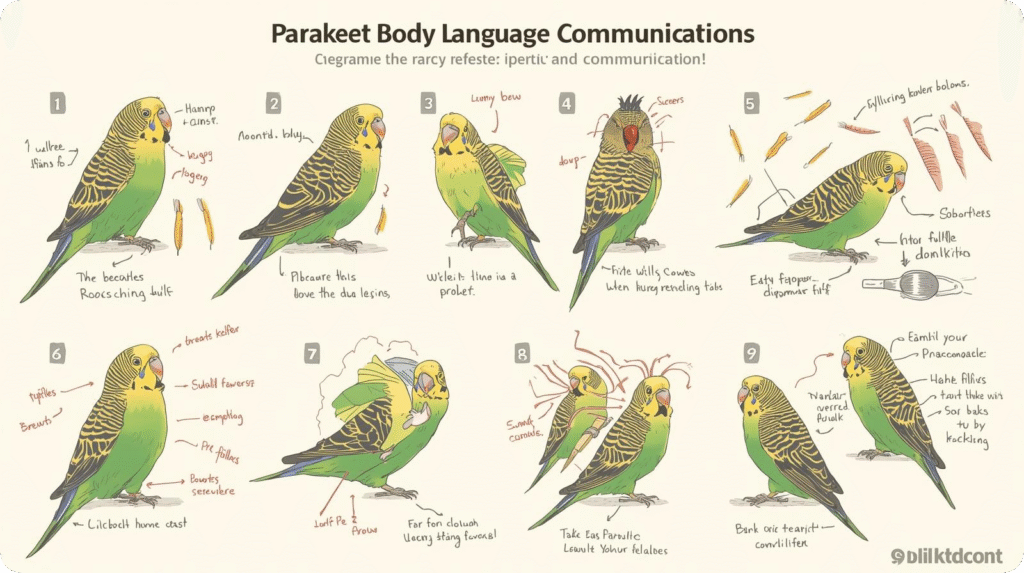
Effective communication is essential to how to care for a parakeet successfully. Learning to read your bird’s body language helps you respond appropriately to their needs and emotions.
Positive Behaviors
- Beak grinding: A sign of contentment, often heard before sleep
- Singing and chattering: Indicates happiness and comfort
- Wing stretching: Normal behavior showing relaxation
- Preening: Regular grooming is a sign of good health
- Head bobbing: Can indicate excitement or, in young birds, a feeding response
Warning Behaviors
- Rapid tail flicking: Often indicates annoyance or agitation
- Lunging or biting: Defensive behavior when feeling threatened
- Pinning eyes (pupils rapidly dilating and contracting): Can signal excitement or aggression
- Feathers held tight against body: Fear or stress
- Raised crest feathers: Alertness or alarm
Long-Term Commitment and Lifespan Considerations
The final important aspect of how to care for a parakeet is understanding the long-term commitment involved. Parakeets can live 10-15 years or longer with excellent care, and they require consistent attention throughout their lives.
Consider these long-term factors:
- Financial commitment: Plan for good food, toys, cage supplies, and yearly vet care. This can cost several hundred dollars each year.
- Time commitment: Plan to spend at least 1-2 hours daily interacting with your parakeet
- Lifestyle changes: Your parakeet will need care during vacations, illnesses, and major life events
- Aging birds: Older parakeets may develop health issues requiring additional veterinary care and attention
Before bringing a parakeet home, make sure you are ready for this long-term commitment. Also, ensure that everyone in your household agrees to share the responsibilities of caring for the bird.
Frequently Asked Questions About Parakeet Care
How much does it cost to care for a parakeet?
Understanding how to care for a parakeet includes budgeting for their needs. Initial setup costs typically range from $150-$300, including the cage, perches, toys, and food dishes.
Monthly expenses average $20-$40 for food, treats, and toy replacement. Annual veterinary checkups cost $50-$100, though emergency care can be significantly more expensive. Over a parakeet’s 10-15 year lifespan, expect to invest $2,000-$4,000 total.
Can parakeets live alone or do they need a companion?
When learning how to care for a parakeet, you’ll find that single birds can thrive if they receive sufficient daily human interaction—at least 2-3 hours of quality time. However, paired parakeets provide constant companionship for each other, which is ideal if you work long hours.
Single parakeets usually bond more with humans. They are also more likely to learn to talk. Paired birds may not interact with humans as much. However, they tend to be happier overall.
How do I know if my parakeet is male or female?
Part of how to care for a parakeet involves identifying their sex. You can sex adult parakeets by observing the cere—the fleshy area above the beak containing the nostrils. Males typically have bright blue or purplish-blue ceres, while females have brown, tan, or white ceres.
Young parakeets are harder to tell apart by sex. Their ceres do not show adult colors until they are 4 to 6 months old.
Do you need to cover parakeets at night?
Many parakeet owners cover their bird’s cage at night to create a dark, quiet sleeping environment, which is an important aspect of how to care for a parakeet. Covering helps establish a consistent sleep schedule of 10-12 hours and reduces disturbances from household lights or activity. However, not all parakeets require covering—observe your bird’s behavior and sleep patterns to determine what works best. Use a breathable cover that allows air circulation.
Can parakeets learn to talk?
Yes, parakeets are excellent mimics and can learn to speak, making this a fascinating part of how to care for a parakeet. Males are generally better talkers than females, and younger birds learn more easily than older ones.
Start with simple words and phrases, repeat them frequently during training sessions, and use positive reinforcement. Some parakeets develop vocabularies of 100+ words, though not all birds will talk. Patience and consistent training are key.
Conclusion: The Rewards of Proper Parakeet Care
Learning how to care for a parakeet requires dedication, patience, and ongoing education, but the rewards are immeasurable. These charismatic little birds offer companionship, entertainment, and affection to those who meet their needs with care and consistency.
To help your parakeet live a long, healthy, and happy life, provide a good cage. Make sure it has balanced food. Regular vet check-ups are important too. Daily interaction with your bird is key.
Lastly, give it a fun environment to explore. Remember that how to care for a parakeet isn’t a one-size-fits-all formula—each bird has unique preferences and personality traits that you’ll discover over time.
Stay observant, remain patient, and continue learning about your parakeet’s species and individual needs. Join online communities, read current avian care literature, and maintain open communication with your avian veterinarian. With proper care and attention, your parakeet will become a cherished member of your family for many years to come.
Caring for a parakeet is a journey that never ends. These smart birds often astonish their owners with new behaviors and stronger bonds. Embrace the experience, celebrate the small victories, and enjoy every moment with your feathered companion. Your commitment to excellent parakeet care will bring you chirps, songs, and affectionate companionship that brightens every day
Leave a Reply