


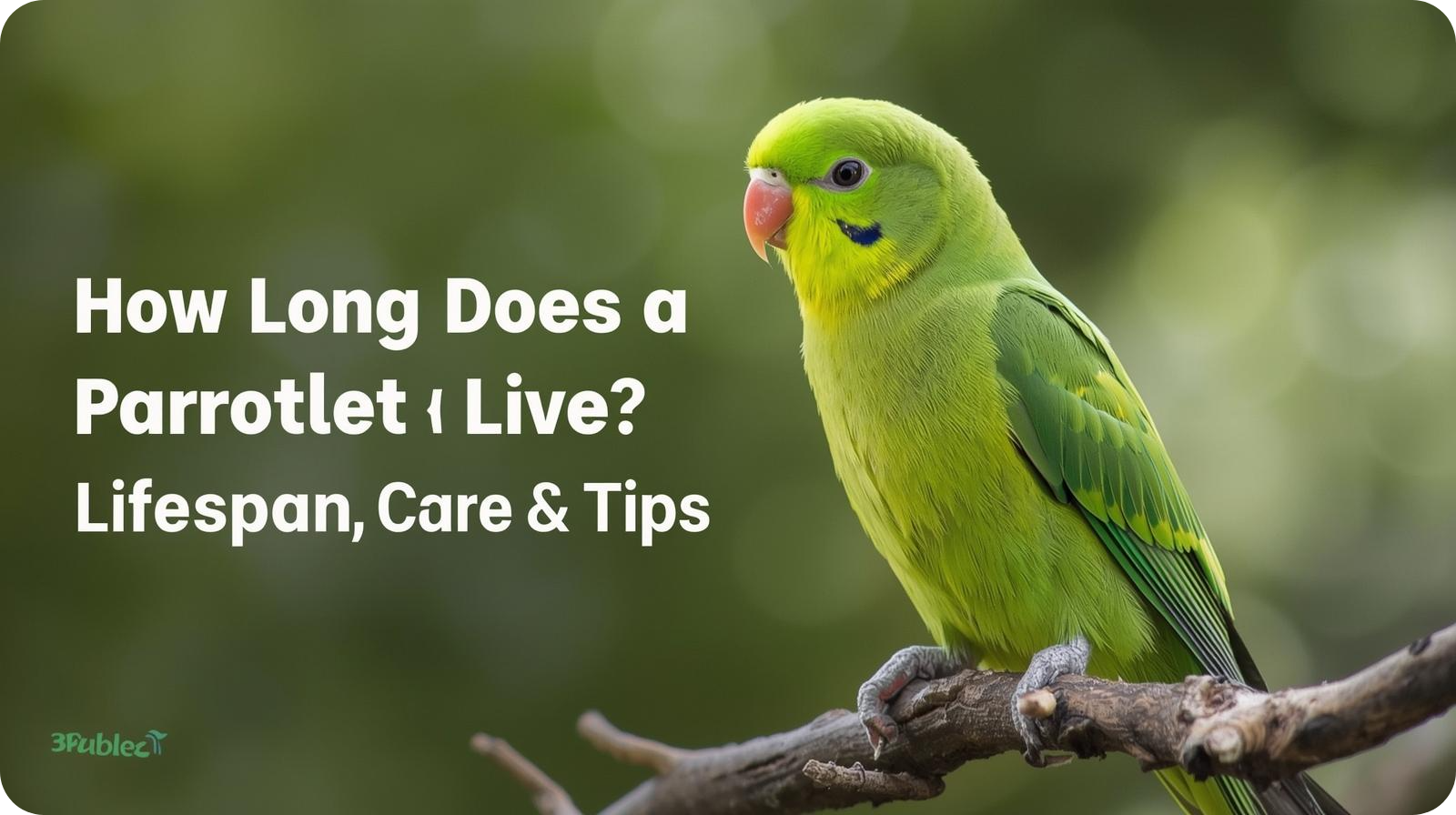
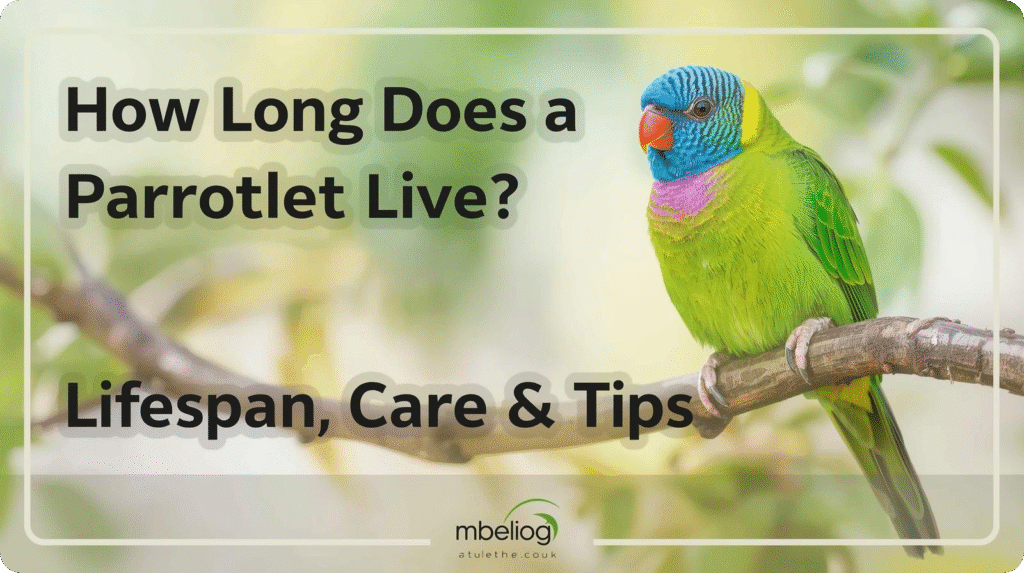
If you are thinking about getting a parrotlet, you might wonder: how long does a parrotlet live? These small, colorful parrots have big personalities. This makes them popular pets for bird lovers.
Knowing how long does a parrotlet live and what affects their lifespan is important. This helps you give the best care and build a strong bond with your feathered friend.
Parrotlets usually live for 15 to 20 years in captivity with good care. Some can even live for 25 years or more.
Owning a parrotlet is a big commitment. This small bird can live a long time. It needs dedication, knowledge, and regular care for its whole life.
Understanding Parrotlet Lifespan
Average Lifespan in Captivity
When properly cared for, parrotlets generally live 15 to 20 years in captivity. This places them among the longer-lived small parrot species, which is remarkable considering their diminutive size. The Pacific Parrotlet (Forpus coelestis) is a common pet. It usually does well in good living conditions.
Several documented cases exist of parrotlets living well into their mid-20s, demonstrating that with exceptional care, these birds can exceed the average lifespan expectations. The oldest recorded parrotlets have lived for 25 to 28 years. However, these cases are rare and show the maximum age they can reach.
Lifespan in the Wild
In their natural habitat, how long does a parrotlet live varies considerably from captive birds. Wild parrotlets typically have shorter lifespans, averaging 10 to 15 years. This reduced longevity is due to numerous environmental challenges, including:
- Predation from hawks, snakes, and other natural enemies
- Food scarcity during certain seasons
- Exposure to diseases and parasites without veterinary intervention
- Harsh weather conditions and natural disasters
- Competition for nesting sites and resources
Captivity removes many dangers for parrotlets. This is why pet parrotlets usually live longer than wild ones by several years.
Factors That Influence Longevity
The answer to how long does a parrotlet live depends heavily on multiple interconnected factors. Understanding these elements helps owners maximize their bird’s health and lifespan:
Birds from good breeders who focus on health usually have stronger bodies and live longer. Inbreeding can lead to genetic weaknesses that may shorten life expectancy.
Quality of Care: Daily attention to diet, hygiene, and environmental conditions plays a crucial role in determining lifespan. Consistent, high-quality care throughout a parrotlet’s life significantly impacts their longevity.
Veterinary Care: Regular check-ups with an avian veterinarian can catch health issues early, when they’re most treatable. Preventive care is essential for maximizing lifespan.
Mental Stimulation: Parrotlets are intelligent birds that require mental engagement. Boredom and stress can lead to self-destructive behaviors and compromised immune function.
Social Interaction: These social creatures need daily interaction with their human family or, in some cases, a companion bird. Loneliness can lead to depression and health decline.
Essential Care for Maximizing Parrotlet Lifespan
Optimal Diet and Nutrition
Proper nutrition is perhaps the single most important factor in determining how long does a parrotlet live. A well-balanced diet supports immune function, maintains healthy weight, and prevents many common diseases.
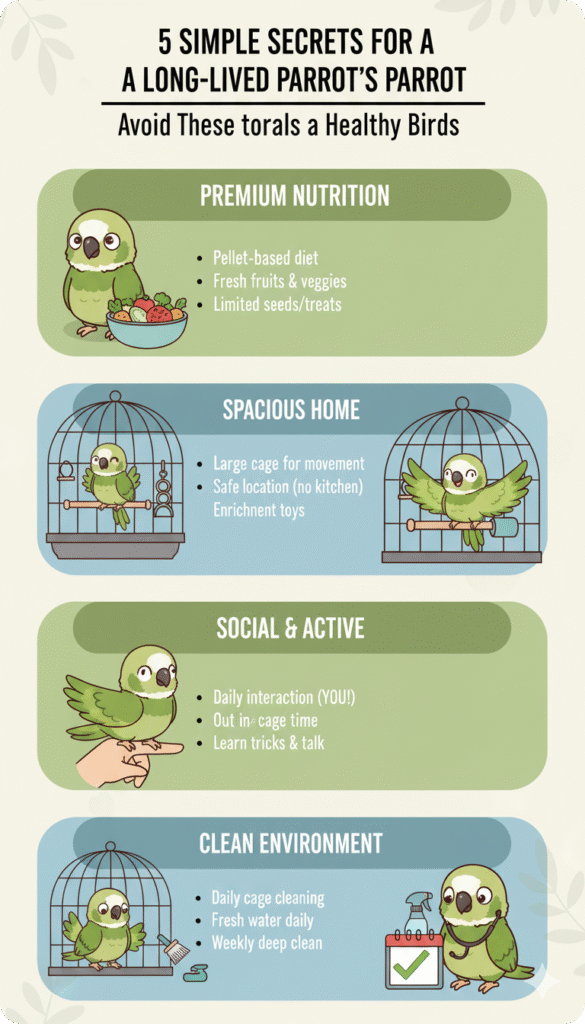
Pellet-Based Foundation: High-quality pellets should comprise 60-70% of your parrotlet’s diet. Choose pellets specifically formulated for small parrots, avoiding artificial colors and excessive additives.
Fresh Vegetables Daily: Offer a variety of fresh vegetables daily, including:
- Dark leafy greens (kale, spinach, dandelion greens)
- Carrots and sweet potatoes
- Broccoli and cauliflower
- Bell peppers of various colors
- Squash and zucchini
Fruits in Moderation: While nutritious, fruits contain high sugar content and should be limited to 10-15% of the diet. Good options include berries, apples (without seeds), and melons.
Seeds as Treats: Seeds are calorie-dense and can lead to obesity if overfed. Use them primarily as training treats or occasional snacks, comprising no more than 10% of the diet.
Foods to Avoid: Never feed your parrotlet avocado, chocolate, caffeine, alcohol, salt, sugar, or fatty foods. These can be toxic or harmful to birds.
Fresh Water: Provide clean, fresh water daily in a clean dish. Change water at least once daily, more often if it becomes soiled.
Housing and Environment
Creating a safe, comfortable living space directly impacts your parrotlet’s quality of life and longevity.
Cage Size and Design: Minimum cage dimensions should be 18″ x 18″ x 18″ for a single parrotlet, though larger is always better. The bar spacing should be no more than 1/2 inch to prevent escape or injury. Horizontal bars allow for climbing, which parrotlets enjoy.
Cage Location: Put the cage in a family area. This way, your parrotlet can watch what happens at home. Avoid placing it in busy areas. Avoid kitchens (fumes from non-stick cookware are deadly to birds), direct sunlight, and drafty areas.
Temperature and Humidity: Maintain room temperature between 65-80°F (18-27°C). Parrotlets can tolerate some temperature variation but avoid sudden changes. Moderate humidity levels (40-60%) are ideal.
Perches and Toys: Provide various perch diameters and textures to promote foot health. Include natural wood perches, rope perches, and mineral perches. Rotate toys regularly to prevent boredom, focusing on foraging toys, shredding toys, and puzzles.
Cleaning Schedule: Clean food and water dishes daily. Perform weekly cage cleaning including perches and toys. Conduct monthly deep cleans with bird-safe disinfectants.
Health Care and Veterinary Attention
Regular veterinary care is essential for detecting and preventing health issues that could shorten your parrotlet’s life.
Finding an Avian Veterinarian: Not all vets specialize in birds. Research and establish a relationship with a qualified avian veterinarian before emergencies arise.
Annual Check-ups: Schedule yearly wellness examinations even when your bird appears healthy. These visits may include a physical exam, weight checks, and trimming of the beak and nails if needed. Sometimes, blood work or fecal tests are also done.
Common Health Issues to Watch For:
- Respiratory problems (labored breathing, tail bobbing)
- Overgrown beak or nails
- Feather plucking or abnormal molting
- Weight loss or obesity
- Lethargy or behavior changes
- Eye or nasal discharge
- Diarrhea or changes in droppings
Early Warning Signs: Parrotlets instinctively hide illness, so subtle changes may indicate serious problems. Monitor daily for appetite changes, energy level variations, and changes in vocalizations or droppings.
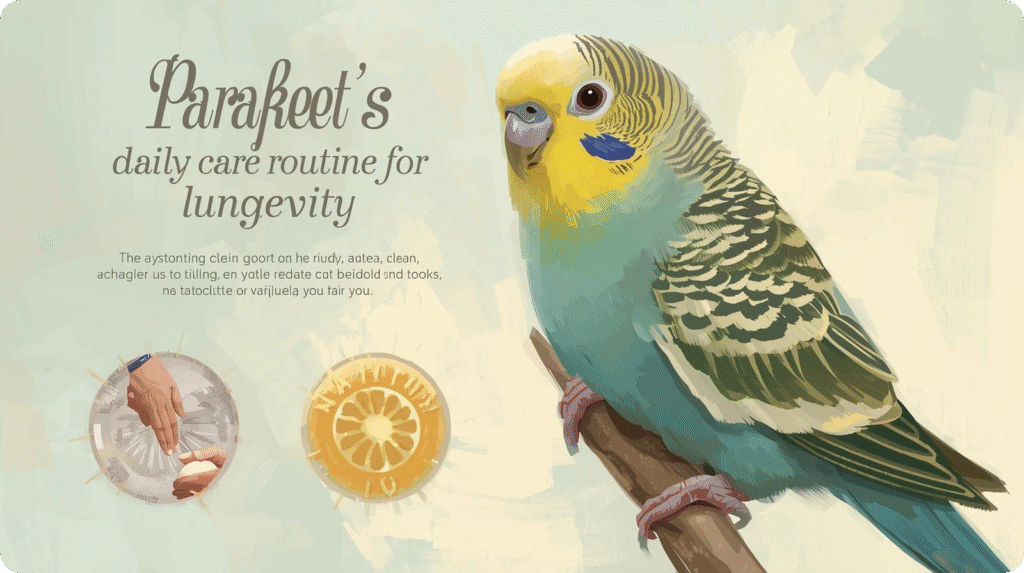
Daily Care Routine for Longevity
Social Interaction and Mental Stimulation
Understanding how long a parrotlet lives also means knowing they need mental and social engagement during their lives.
Daily Interaction Time: Spend at least 2-3 hours daily interacting with your parrotlet. This includes supervised out-of-cage time, training sessions, and simply being present while they’re in their cage.
Training and Enrichment: Teach simple tricks and commands to keep their minds active. Positive reinforcement training strengthens your bond while providing mental stimulation.
Foraging Opportunities: Hide treats in toys or paper for your parrotlet to find. This mimics natural foraging behavior and prevents boredom.
Vocalization and Play: Parrotlets are naturally vocal and playful. Engage with their sounds and encourage appropriate play behavior.
Exercise and Physical Activity
Regular physical activity maintains healthy weight and muscle tone, contributing to longevity.
Out-of-Cage Time: Provide supervised flight time in a bird-safe room for at least 1-2 hours daily. This allows for natural exercise and exploration.
Bird-Proofing: Before letting your bird fly, remove dangers. Take away ceiling fans, open windows, toxic plants, standing water, and other pets.
Climbing and Exploring: Set up play gyms or bird trees for climbing and perching outside the cage.
Special Considerations for Aging Parrotlets
Senior Care Adjustments
As parrotlets age, their needs may change. People may consider birds over 10 years old as senior and provide them with adjusted care.
Dietary Modifications: Older birds may need softer foods or smaller pieces if they develop beak problems. Monitor weight carefully as metabolism may slow.
Environmental Adaptations: Lower perches to prevent injury from falls. Provide easier access to food and water. Ensure the cage temperature remains stable.
Increased Veterinary Monitoring: Consider bi-annual check-ups for senior birds to catch age-related conditions early.
Quality of Life in Later Years
Focus on comfort and maintaining your parrotlet’s quality of life as they age. Watch for signs of arthritis, vision or hearing loss, and cognitive changes. Adapt their environment to accommodate any physical limitations while maintaining mental stimulation.
Common Mistakes That Shorten Lifespan
Dietary Errors
All-seed diets are a common mistake. They can cause malnutrition, obesity, and fatty liver disease. Similarly, overfeeding treats or table foods contributes to health problems.
Inadequate Housing
Cages that are too small restrict movement and exercise. Poor cage placement near kitchens or windows can expose birds to temperature extremes or toxic fumes.
Neglecting Mental Health
Insufficient social interaction leads to depression and self-destructive behaviors. Lack of environmental enrichment causes stress and boredom.
Delayed Veterinary Care
Waiting until symptoms are severe often means conditions have progressed beyond easy treatment. Skipping annual wellness checks misses opportunities for early disease detection.
Maximizing Your Parrotlet’s Lifespan: Quick Tips
To get the best answer about how long a parrotlet lives, follow these proven tips:
Nutrition: Feed a varied diet of pellets, vegetables, and limited fruits. Avoid seed-only diets and toxic foods.
Environment: Provide spacious housing with varied perches and rotating toys. Maintain stable temperature and cleanliness.
Healthcare: Establish care with an avian vet immediately. Schedule annual check-ups and address concerns promptly.
Social Needs: Interact daily for several hours. Provide mental stimulation through training and foraging.
Safety: Bird-proof flight areas thoroughly. Avoid exposure to fumes, toxic plants, and predatory pets.
Exercise: Allow supervised flight time daily. Encourage climbing and exploration.
Observation: Monitor weight, droppings, behavior, and appetite daily. Document any changes to discuss with your vet.
Frequently Asked Questions
How long does a parrotlet live in the wild versus captivity?
Wild parrotlets typically live only 7-10 years because of predators, diseases, and environmental challenges. In contrast, if you ask, “How long does a parrotlet live in captivity?” the answer is better. They live 15-20 years on average, and some can reach 25-27 years.
The longest documented parrotlet lifespan is around 25-27 years in captivity. This dramatic difference highlights how proper care, protection from predators, consistent nutrition, and veterinary attention significantly extend their lives.
Do female or male parrotlets live longer?
No significant difference in lifespan exists between male and female parrotlets when both receive proper care. Female parrotlets have special health risks from laying eggs.
These include egg binding, calcium deficiency, and reproductive problems. If not managed well, these issues can shorten their lifespan. Preventing breeding behaviors and ensuring adequate nutrition can help female parrotlets achieve the same longevity as males.
Can a parrotlet live alone, or do they need a companion?
Parrotlets can be happy alone if their human family gives them enough social time. They need about 2-3 hours of quality time each day.
Unlike some parrot species that need other birds, parrotlets bond well with humans. They can do well on their own. However, if you’re frequently away from home, a companion may improve their quality of life.
Be careful when introducing parrotlets. They can be territorial and aggressive toward other birds. This includes other parrotlets. This behavior is more likely if someone does not introduce them properly or if someone keeps them in small spaces.
At what age is a parrotlet considered a senior?
People usually see parrotlets as seniors when they are 12 to 15 years old. This is about the last part of their expected lifespan.
At this stage, they may start to show signs of aging. These signs include less activity, changes in feather quality, and reduced flexibility.
Senior parrotlets need more regular vet check-ups. They should see a vet every 6 months instead of once a year.
They may also need changes in their diet and environment. These changes help with any mobility or vision issues.
How can I tell if my parrotlet is aging well?
A parrotlet that ages well will keep many of its youthful behaviors. This includes being playful, vocalizing, and having a healthy appetite, though these may be a bit less intense. They should maintain a stable weight, have clean, well-groomed feathers, show continued interest in their environment, and have normal sleep patterns.
Regular veterinary check-ups with consistent blood work results indicate good internal health. Gradual, subtle changes are normal, but sudden behavioral shifts, weight changes, or lethargy warrant veterinary attention regardless of age.
Does hand-feeding versus parent-raising affect lifespan?
The rearing method itself doesn’t directly impact how long a parrotlet lives. Hand-fed birds are usually more social with humans. This can make it easier to provide veterinary care, give medicine, and monitor their health. These factors can help them live longer.
Parent-raised birds can live equally long lives but may require more patience in handling. The most critical factors affecting lifespan remain diet, healthcare, environment, and genetics rather than early-life rearing methods.
How long does a parrotlet live compared to other small parrots?
When comparing how long does a parrotlet live to other small parrot species, parrotlets have a relatively long lifespan. While budgies typically live 5-10 years and cockatiels average 10-15 years, parrotlets can live 15-20 years or more with proper care. It is important to know how long a parrotlet lives before getting one. They need a longer commitment than many other small pet birds.
How Long Does a Parrotlet Live? The Most Common Reason They Don’t Reach Their Full Lifespan
The main reasons parrotlets do not live as long as they should are poor diet, no veterinary care, and bad housing. Many owners don’t realize that how long does a parrotlet live depends heavily on nutrition—seed-only diets lead to malnutrition and shortened lifespans.
Additionally, respiratory issues from poor air quality, accidents from unsupervised free flight, and untreated illnesses significantly reduce how long does a parrotlet live. Providing proper care in these areas helps ensure your parrotlet reaches its full life expectancy.
Can parrotlets live longer than 20 years?
Yes, when considering how long does a parrotlet live, it’s possible for them to exceed 20 years. The average lifespan of parrotlets is 15 to 20 years. However, some parrotlets that are well cared for can live 25 years or more.
How long does a parrotlet live in your care depends on genetics, diet quality, exercise, mental stimulation, and preventive veterinary care. Owners who give their birds the best care may enjoy several extra years of life beyond the usual range.
Do male and female parrotlets have different lifespans?
When people ask how long does a parrotlet live, they often wonder if gender affects longevity. Generally, there’s no significant difference in how long does a parrotlet live based on gender alone.
Both male and female parrotlets can live 15-20 years with proper care. However, female parrotlets that breed often may face health problems from laying eggs. This can shorten their lifespan. For pet parrotlets not used for breeding, gender doesn’t substantially impact how long does a parrotlet live.
How Long Does a Parrotlet Live? Signs of Aging & Senior Care Tips
Understanding how long does a parrotlet live includes recognizing aging signs, which typically appear around 10-12 years. Senior parrotlets may show decreased activity, changes in feather quality, weight fluctuations, and increased sleeping.
To maximize how long does a parrotlet live during these years, adjust their environment with lower perches for easier access, provide softer foods if they have difficulty eating, maintain consistent veterinary monitoring, and ensure they stay warm.
Senior care adjustments can significantly improve quality of life and potentially extend how long does a parrotlet live beyond average expectations.
Conclusion
So, how long does a parrotlet live? With proper care, these charming little parrots typically live 15 to 20 years, with some reaching 25 years or more. This impressive lifespan represents a significant commitment but also offers the opportunity for a deep, rewarding relationship with an intelligent and affectionate companion.
To help your parrotlet live longer, give them regular care. This care should meet their physical, mental, and social needs. A balanced diet, spacious and stimulating environment, regular veterinary care, and daily interaction form the foundation of parrotlet longevity.
You can help your parrotlet live a long and happy life.
Learn what affects their lifespan.
Use the care tips in this guide. Each parrotlet is unique. They have different needs and personalities. Pay attention to them and change your care as needed over time.
You can fill the years you spend with your parrotlet with joy, entertainment, and companionship. By focusing on their well-being from the start, you are building a strong relationship. This bond can last for decades. It shows how special these small but powerful parrots are.
Leave a Reply