


Welcome to the House Birds: Essential Guide to Choosing & Bird Care. This guide is your complete resource for selecting, caring for, and enjoying life with bird cage.
Whether you are a first-time bird owner or want to add more birds, knowing the basics is important. This will help you create a happy home for your feathered friends. This guide covers choosing bird species, setting up their habitat, nutrition, health care, training, and more. It helps ensure your aviary live their best lives.
Why House Birds Make Perfect Companions
House birds have become increasingly popular pets for good reason. These intelligent, social creatures offer unique companionship that differs significantly from traditional pets. Bird cage require less space than dogs, don’t need outdoor walks, and can thrive in apartments and smaller homes. Many aviary live for decades, creating deep, lasting bonds with their owners.
Top Benefits of Keeping House Birds
Space-Efficient Living Unlike cats and dogs, roost adapt beautifully to compact living spaces. Larger parrot species need less space than medium-sized dogs. This makes roost great for people living in cities and apartments.
Long-Term Companionship Many pet birds have long lifespans. Budgies live 5 to 10 years.
Cockatiels can live 15 to 25 years. Larger parrots may live 50 to 80 years. This longevity allows aviary to become true family members across generations.
Entertainment and Joy Bird cage provide daily entertainment through playful behavior, vocal performances, and problem-solving abilities. Watching bird cage interact with toys, learn tricks, and communicate brings endless amusement to households.
Mental Health Benefits Research demonstrates that caring for aviary reduces stress, anxiety, and loneliness. The routine of caring for roost provides structure, while their cheerful presence and soothing sounds improve overall wellbeing.
Lower Allergen Profile
Some roost do produce dander. However, many types of birds are good for people with mild pet allergies. These birds are a great option for those who cannot have cats or dogs. This opens up more opportunities for pet ownership.
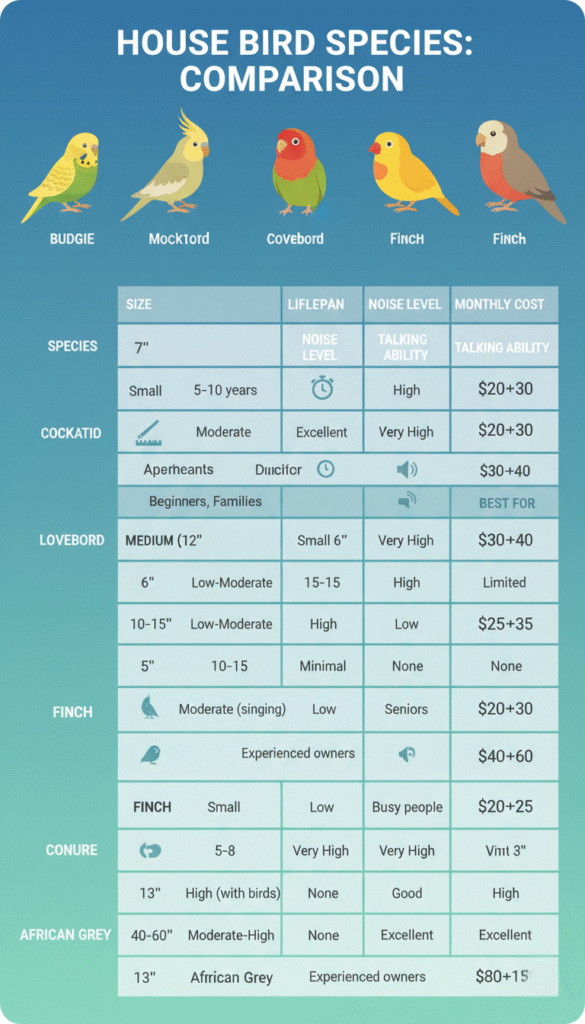
House Birds Species Comparison Table
| Species | Size | Lifespan | Noise Level | Social Needs | Talking Ability | Best For | Monthly Cost |
|---|---|---|---|---|---|---|---|
| Budgie | Small (7″) | 5-10 years | Moderate | High | Excellent | Beginners, Families | $20-$30 |
| Cockatiel | Medium (12″) | 15-25 years | Low-Moderate | High | Limited | Beginners, Singles | $30-$40 |
| Lovebird | Small (6″) | 10-15 years | Moderate | Very High | Minimal | Experienced owners | $25-$35 |
| Canary | Small (5″) | 10-15 years | Moderate (singing) | Low | None | Seniors, Busy people | $20-$30 |
| Finch | Small (4″) | 5-8 years | Low | High (with birds) | None | Beginners, Observers | $20-$25 |
| Conure | Medium (10″) | 20-30 years | Very High | Very High | Good | Experienced owners | $40-$60 |
| Cockatoo | Large (18″) | 40-60 years | Very High | Extremely High | Good | Dedicated owners | $80-$150 |
| African Grey | Large (13″) | 40-60 years | Moderate-High | Very High | Excellent | Experienced owners | Arrange |
Complete Guide to Popular House Birds Species
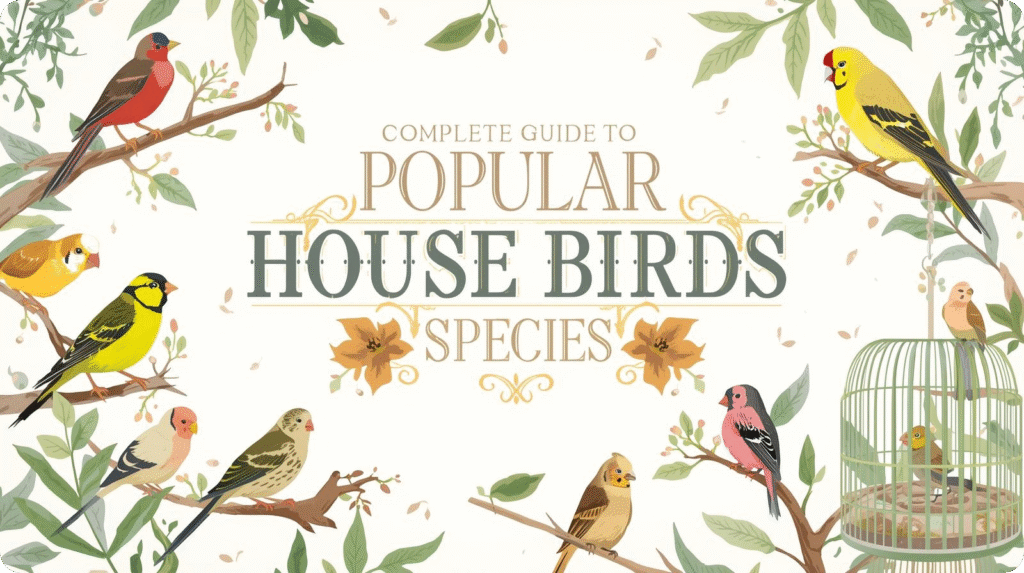
Choosing the right species is crucial for successful roost ownership. Each type brings distinct personality traits, care requirements, and interaction styles.
Budgerigars (Budgies) – Perfect Starter House Birds
Budgies rank among the world’s most beloved aviary, and their popularity is well-deserved.
Key Characteristics:
- Size: 7-8 inches long
- Lifespan: 5-10 years with proper care
- Personality: Social, playful, intelligent
- Talking Ability: Excellent (can learn 100+ words)
- Price Range: $20-$35
- Care Level: Beginner-friendly
Why Choose Budgies as House Birds: These small parakeets make exceptional roost for first-time owners. Budgies bond strongly with human companions, especially when kept singly or in pairs. Male budgies typically excel at mimicry and speech, while females tend toward quieter dispositions. Available in stunning color variations—blue, yellow, green, white, and mixed patterns—budgies bring vibrant beauty to any home.
Ideal Living Situation: Budgies thrive in apartments, condos, and houses alike. These roost need minimal space but benefit from daily out-of-cage flying time. Their moderate noise levels make budgies considerate neighbors in multi-unit dwellings.
Cockatiels – Affectionate Family House Birds
Cockatiels consistently rank as top-choice roost for families seeking cuddly, interactive companions.
Key Characteristics:
- Size: 12-13 inches including tail
- Lifespan: 15-25 years
- Personality: Gentle, affectionate, musical
- Talking Ability: Moderate (better whistlers than talkers)
- Price Range: $50-$150
- Care Level: Easy to moderate
Why Choose Cockatiels as House Birds: These birds from Australia are great pets. They are gentle and love to be petted.
Cockatiels enjoy head scratches, shoulder perching, and learning tunes. Their distinctive crests communicate emotional states, helping owners understand their roost’ feelings. Cockatiels rarely bite aggressively, making them safe roost around supervised children.
Ideal Living Situation: Cockatiels adapt well to various homes but prefer households where someone is frequently present. These social roost may develop behavioral issues if left alone extensively. Moderate noise levels suit most living situations, though male cockatiels can be vocal, especially during morning and evening hours.
African Grey Parrots – Einstein of House Birds
For experienced owners seeking highly intelligent aviary, African Greys represent the pinnacle of avian cognition.
Key Characteristics:
- Size: 12-14 inches
- Lifespan: 40-60+ years
- Personality: Intelligent, sensitive, loyal
- Talking Ability: Exceptional (toddler-level comprehension)
- Price Range: $1,000-$3,500
- Care Level: Advanced
Why Choose African Greys as House Birds: African Greys are very smart for aviary. They can solve problems like young children. These roost learn extensive vocabularies, understand context, and can even grasp abstract concepts like colors and numbers. African Greys form deep emotional bonds with their primary caregiver and require significant mental stimulation.
Important Considerations: First-time owners should not consider these sensitive aviary. African Greys demand 3-5 hours daily interaction, extensive environmental enrichment, and lifetime commitment. Their 60+ year lifespan requires serious consideration—these roost often outlive their original owners.
Canaries – Low-Maintenance House Birds
Canaries excel as bird cage for people who appreciate beauty and song without demanding constant hands-on interaction.
Key Characteristics:
- Size: 4-8 inches depending on variety
- Lifespan: 10-15 years
- Personality: Independent, peaceful, melodious
- Talking Ability: None (singers, not talkers)
- Price Range: $25-$150
- Care Level: Beginner-friendly
Why Choose Canaries as House Birds: Male canaries produce beautiful songs that brighten homes without overwhelming noise levels. These roost don’t require handling, making them perfect for seniors, busy professionals, or anyone preferring observation to interaction. Available in vibrant colors—yellow, orange, red, white—canaries add visual beauty as aviary.
Ideal Living Situation: Canaries thrive as aviary in various settings, from small apartments to large homes. Their peaceful nature and pleasant vocalizations make canaries excellent roost for quiet households.
Lovebirds – Big Personality House Birds
Don’t be fooled by their small size. Lovebirds have big personalities in tiny bodies. They make great pets for caring owners.
Key Characteristics:
- Size: 5-7 inches
- Lifespan: 10-15 years
- Personality: Energetic, affectionate, feisty
- Talking Ability: Limited
- Price Range: $50-$200
- Care Level: Moderate
Why Choose Lovebirds as House Birds: These small parrots bring tremendous energy to the world of roost. Lovebirds form intense bonds—either with mates or with dedicated human companions. As aviary, they display playful, sometimes mischievous behavior that entertains for hours.
Important Considerations: Single lovebirds require extensive daily interaction (2-4 hours minimum) to prevent loneliness and behavioral problems. Alternatively, keeping paired lovebirds reduces human interaction needs, though bonded pairs may be less interested in human companionship. These roost can develop loud, persistent calling if they do not receive the attention they need.
Finches – Community House Birds
Finches represent ideal aviary for creating naturalistic aviary environments indoors.
Key Characteristics:
- Size: 3-6 inches depending on species
- Lifespan: 5-10 years
- Personality: Social (with other finches), active
- Talking Ability: None
- Price Range: $10-$100 per bird
- Care Level: Easy
Why Choose Finches as House Birds: Society finches and zebra finches are popular aviary. They do well in flocks and create fun, lively environments. These bird cage prefer interaction with their own kind over human handling, making them low-maintenance companions. Finches produce soft, pleasant chirping that adds ambiance without disturbing neighbors.
Ideal Living Situation: Finches work best as bird cage when kept in pairs or small flocks (4-6 birds). They require spacious flight cages but minimal direct human interaction, suiting people who enjoy observing aviary’ natural behaviors.
Conures – Clownish House Birds
Conures bring comedy and affection to the world of roost, though their volume levels require consideration.
Key Characteristics:
- Size: 9-20 inches depending on species
- Lifespan: 20-30 years
- Personality: Playful, cuddly, energetic
- Talking Ability: Moderate
- Price Range: $200-$600
- Care Level: Moderate to advanced
Why Choose Conures as House Birds: Conures are fun roost. They have silly personalities and love their families a lot. Conures love physical contact, games, and learning tricks. As roost, they bond intensely with their people and enjoy participating in household activities.
Important Considerations: Conures can be LOUD roost—their high-pitched calls carry far and occur frequently. These vocal roost rarely suit apartment living. Potential owners must honestly assess noise tolerance before choosing conures as aviary.
Cage Size Requirements for House Birds
| Bird Species | Minimum Cage Size | Bar Spacing | Recommended Cage Type |
|---|---|---|---|
| Finches | 18″ x 18″ x 18″ | 1/4″ – 3/8″ | Flight cage (horizontal) |
| Canaries | 18″ x 18″ x 24″ | 1/4″ – 1/2″ | Tall cage |
| Budgies | 18″ x 18″ x 24″ | 1/4″ – 1/2″ | Horizontal bars |
| Lovebirds | 24″ x 24″ x 24″ | 1/2″ – 5/8″ | Square or rectangular |
| Cockatiels | 24″ x 24″ x 24″ | 1/2″ – 3/4″ | Horizontal bars |
| Conures | 24″ x 24″ x 30″ | 5/8″ – 3/4″ | Play-top cage |
| African Greys | 36″ x 24″ x 48″ | 3/4″ – 1″ | Large play-top |
| Cockatoos | 48″ x 36″ x 60″ | 3/4″ – 1″ | Extra-large play-top |
How to Choose the Perfect House Birds for Your Lifestyle
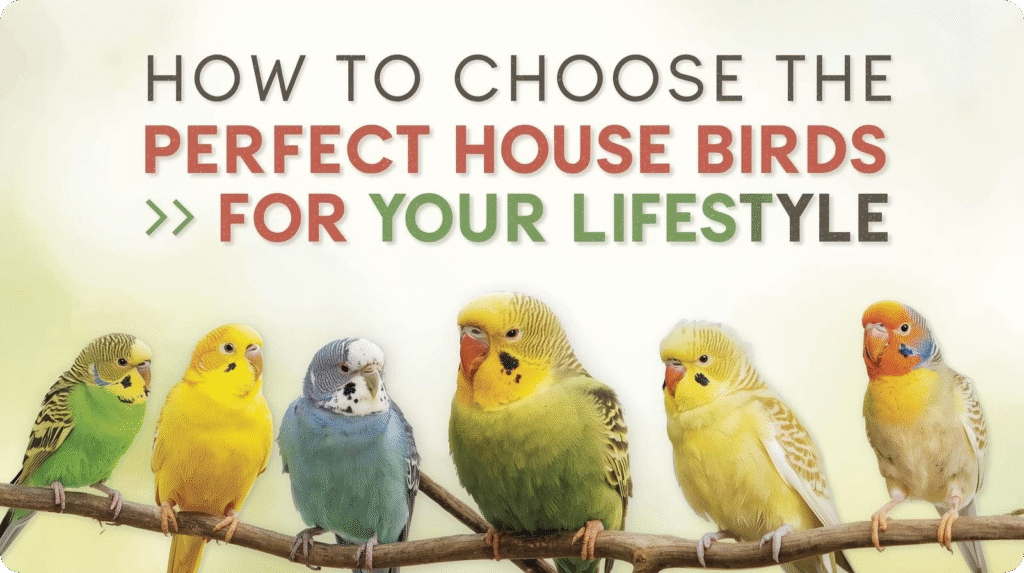
Selecting compatible bird cage requires honest assessment of your situation, resources, and expectations.
Time Availability Assessment
Different bird cage demand varying time investments:
Low Time Commitment House Birds (30-60 minutes daily):
- Canaries – feeding, cleaning, observation
- Finches – colony maintenance, minimal interaction
- Established budgies – basic care and some socialization
Moderate Time Commitment House Birds (1-2 hours daily):
- Cockatiels – feeding, cleaning, training, socialization
- Budgie pairs – interactive play and training
- Small conures – active play and attention
High Time Commitment House Birds (3-5+ hours daily):
- African Greys – extensive interaction, training, enrichment
- Single lovebirds – constant companionship needs
- Large parrots – complex social and intellectual needs
- Cockatoos – extremely demanding bird cage
Space Requirements for House Birds
Evaluate your available space when selecting bird cage:
Minimum Cage Dimensions:
- Small aviary (finches, canaries): 18″ x 18″ x 18″
- Medium bird cage (budgies, cockatiels): 24″ x 24″ x 24″
- Large roost (conures, small parrots): 36″ x 24″ x 36″
- Extra-large bird cage (African Greys, amazons): 48″ x 36″ x 48″+
Birds need extra space outside their cages. They need room to exercise and play. They also need storage for their supplies. Factor in these space requirements when choosing roost for your home.
Noise Tolerance Evaluation
House birds vocalize—some more than others. Assess your noise tolerance and living situation:
Quiet House Birds:
- Finches (soft chirping)
- Canaries (pleasant singing)
- Budgies (moderate, manageable)
- Bourke’s parakeets (very quiet)
Moderate Volume House Birds:
- Cockatiels (whistling, occasional calls)
- Parrotlets (small but can be loud)
- Some small conures
Loud House Birds:
- Most conure species (high-pitched screams)
- Amazon parrots (very vocal)
- Cockatoos (extremely loud)
- Macaws (loudest bird cage)
Consider neighbors, family members’ schedules, and your own sensitivity to noise when selecting roost.
Budget Planning for House Birds
Responsible bird cage ownership requires financial preparation:
Initial Investment:
- Bird purchase: $20-$3,000+ depending on species
- Quality cage and accessories: $150-$800
- Initial veterinary exam: $75-$150
- Food and supplies starter kit: $50-$100
- Total Initial Cost: $295-$4,050+
Monthly Expenses for House Birds:
- Premium pellets and fresh foods: $25-$75
- Toys and enrichment items: $15-$50
- Bedding/cage liners: $10-$20
- Total Monthly Cost: $50-$145
Annual Costs:
- Routine veterinary exams: $100-$250
- Toy replacements: $150-$400
- Emergency vet fund (recommended): $500-$1,000 reserve
- Total Annual Cost: $850-$2,390
Larger, longer-lived bird cage cost significantly more over their lifetimes than smaller species.
Personality Matching
Choose bird cage that match your interaction preferences:
Hands-On Interactive House Birds:
- Cockatiels (cuddly, gentle)
- Hand-raised budgies (playful, trainable)
- Conures (extremely affectionate)
- Small parrots (engaging, smart)
Observation-Focused House Birds:
- Canaries (independent singers)
- Finch colonies (natural behaviors)
- Button quail (ground birds)
Balanced Interaction House Birds:
- Established budgie pairs (social but independent)
- Some cockatiel personalities
- Parrotlets (playful but less needy)
Essential Supplies Every House Birds Owner Needs
Properly equipping your home ensuresbird cage thrive from day one.
Selecting the Ideal Cage for House Birds
The cage forms your bird cage’ primary living space and must meet specific standards:
Size Standards:
- Larger always beats smaller forbird cage
- Minimum: full wingspan extension without touching bars
- Horizontal space more important than height for mostaviary
- Bar spacing: 1/4″ – 1/2″ for small roost, 1/2″ – 1″ for medium, 3/4″ – 1″ for large
Material Safety:
- Stainless steel (best option for roost)
- Powder-coated metal (safe if coating intact)
- Avoid galvanized, zinc, lead (toxic to roost)
Design Features for House Birds:
- Large access doors for easy cleaning and bird entry
- Removable bottom trays (simplifies maintenance)
- Secure latches (especially crucial for clever house birds)
- Multiple perch levels for climbing house birds
- Outside feeding doors (convenient for daily care)
Perching Solutions for House Birds
Natural perches promote foot health in aviary:
Perch Variety:
- Natural wood branches (safest, best for bird cage)
- Varying diameters (exercise different foot muscles)
- Rough bark surfaces (prevents overgrown nails)
- Rope perches (comfortable, but monitor for fraying)
- Avoid sandpaper perches (damage bird cage’ feet)
Placement Strategy: Place perches at different heights in the cage. This lets bird cage move freely between them without hitting toys or walls.
Feeding Equipment for House Birds
Quality dishes maintain bird cage’ health:
Essential Bowls:
- Stainless steel or ceramic (avoid plastic for house birds)
- Separate dishes: water, pellets, fresh foods
- Weighted bowls prevent tipping by active house birds
- Easy-clean design saves time
Supplemental Feeders:
- Cuttlebone holders (calcium for house birds)
- Treat clips (secure fresh vegetables)
- Foraging devices (mental stimulation)
Enrichment Toys for House Birds
Mental stimulation prevents boredom-related behaviors in house birds:
Essential Toy Categories:
Foraging Toys (critical for all house birds):
- Puzzle feeders requiring problem-solving
- Paper bags hiding treats
- Foraging wheels and boxes
- Natural materials for shredding
Interactive Toys:
- Bells and noisemakers (bird cage love sounds)
- Mirrors (use cautiously—some bird cage become obsessed)
- Swings and ladders
- Rope toys for climbing bird cage
Destructible Toys:
- Paper products (safe for shredding)
- Natural wood blocks
- Palm fronds and natural fibers
- Cardboard tubes and boxes
Rotation Strategy: Keep 4-6 toys in cage at once, rotating weekly to maintain novelty for bird cage. Store extras in rotation to extend toy life and maintain interest.
Cleaning Supplies for House Birds
Maintaining hygiene protects bird cage’ health:
- Bird-safe disinfectant (avoid harsh chemicals around bird cage)
- Scrub brushes for perch and toy cleaning
- Paper towels or newspaper for daily cage maintenance
- Handheld vacuum for feathers and seed hulls
- Microfiber cloths for wipeable surfaces
Complete Nutrition Guide for House Birds
Proper diet forms the foundation of aviary’ health and longevity.
Modern Pellet-Based Diet for House Birds
Contemporary avian nutrition emphasizes balanced pellets:
High-Quality Pellets (50-70% of diet):
- Formulated for specific aviary species when possible
- Prevents selective eating common in seed-based diets
- Contains balanced vitamins, minerals, proteins
- Top brands: Harrison’s, Roudybush, TOP’s, Lafeber’s
Transitioning House Birds to Pellets: Many roost resist pellet conversion initially. Use gradual transition:
- Week 1-2: Mix 25% pellets with 75% current diet
- Week 3-4: Mix 50% pellets with 50% current diet
- Week 5-6: Mix 75% pellets with 25% current diet
- Week 7+: Fully converted to pellet-based diet
Fresh Foods for House Birds
Daily fresh foods provide essential nutrients and mental stimulation:
Vegetables for House Birds (20-30% of diet):
Dark Leafy Greens (excellent for house birds):
- Kale, collard greens, mustard greens
- Dandelion greens, turnip greens
- Chard, bok choy
Colorful Vegetables:
- Carrots (shredded or chopped)
- Sweet potato (cooked, no seasoning)
- Squash varieties
- Peppers (all colors safe for house birds)
- Broccoli and cauliflower
Fresh Fruits (10-15% of diet):
Best Fruits for House Birds:
- Berries: blueberries, strawberries, raspberries
- Melons: watermelon, cantaloupe (remove seeds)
- Tropical: mango, papaya, pineapple
- Stone fruits: remove pits before feeding house birds
- Apples and pears: remove seeds (contain cyanide)
Foods Toxic to House Birds
NEVER feed these items to house birds:
Extremely Dangerous:
- Avocado (all parts deadly to house birds)
- Chocolate and cocoa products
- Caffeine (coffee, tea, soda)
- Alcohol
- Onions and garlic
- Fruit pits and apple seeds
Potentially Harmful:
- High-salt foods
- High-sugar foods
- Uncooked beans (toxic until cooked)
- Mushrooms (many varieties toxic)
- Rhubarb leaves
- Tomato leaves and stems
Treats and Supplements for House Birds
Healthy Treats (5-10% of diet):
- Nuts: almonds, walnuts (unsalted, small amounts)
- Seeds: millet sprays, sunflower seeds (sparingly)
- Whole grain pasta or bread (unsalted, limited)
Supplements for House Birds:
- Cuttlebone (calcium source for house birds)
- Mineral blocks
- Avian vitamins (only if vet-recommended)
- Probiotics during stress or after antibiotics
Hydration for House Birds
Fresh, clean water is absolutely essential:
- Change water minimum twice daily
- Use filtered or bottled water in poor water quality areas
- Provide shallow bathing dishes 2-3 times weekly
- Monitor consumption (changes indicate potential illness in house birds)
Nutritional Requirements Comparison for House Birds
| Bird Type | Pellets | Fresh Produce | Seeds/Grains | Protein | Special Notes |
|---|---|---|---|---|---|
| Budgies | 60-70% | 20-30% | 10% | Occasional | Small-sized pellets |
| Cockatiels | 60-70% | 20-30% | 10% | Occasional | Need calcium supplement |
| Canaries | 40-50% | 30-40% | 20% | Minimal | Prefer seed-based diet |
| Finches | 50% | 20-30% | 30% | Minimal | Millet and egg food |
| Lovebirds | 60-70% | 20-30% | 10% | Occasional | High energy needs |
| Conures | 70-80% | 20-25% | 5% | Weekly | Need variety |
| African Greys | 70-80% | 20-25% | 5% | Weekly | Calcium critical |
| Cockatoos | 60-70% | 25-30% | 5% | Weekly | Nut treats |
Creating the Optimal Habitat for House Birds
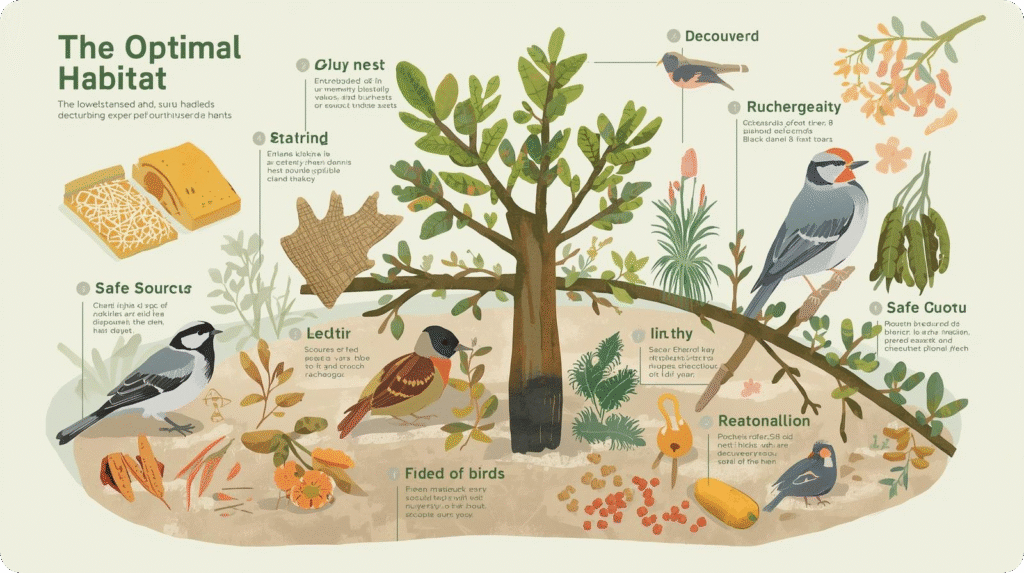
Environmental setup significantly impacts house birds’ quality of life and behavior.
Strategic Cage Placement
Location profoundly affects aviary’ wellbeing:
Ideal Cage Position for House Birds:
- Social family areas (living rooms, dining areas)
- Against solid walls (provides security forroost)
- Eye level or slightly higher (respects natural hierarchy)
- Natural light access without direct sun exposure
- Away from heating vents and air conditioners
Avoid These Locations:
- Kitchens (cooking fumes deadly to bird cags)
- Near exterior doors (temperature fluctuations stress house birds)
- In direct sunlight (overheating risk)
- Near televisions or speakers (excessive noise stresses roost)
- Isolated rooms (loneliness for social aviary)
- Bathrooms (humidity fluctuations, chemical exposure)
Temperature and Humidity Control
Bird cage have specific climate needs:
Temperature Range:
- Ideal: 65-80°F for mostroost
- Avoid drafts and sudden temperature changes
- Tropical roost prefer warmer (70-80°F)
- Monitor with reliable thermometer
Humidity Requirements:
- Optimal: 40-60% for mostaviary
- Tropical species prefer 50-70%
- Use humidifiers in dry climates
- Provide regular bathing opportunities
- Monitor with hygrometer
Lighting Requirements for House Birds
Proper lighting benefits bird cage’ health:
Natural Light Cycle:
- 10-12 hours daylight exposure
- 12-14 hours complete darkness for sleep
- Consistent schedule crucial for house birds
- Use timers for automatic consistency
Artificial Lighting:
- Full-spectrum bulbs (if natural light insufficient)
- UV-A and UV-B exposure benefits house birds
- Position lights outside cage (prevent burns)
- Replace bulbs every 6-12 months (UV output diminishes)
Safety and Bird-Proofing for House Birds
Protect bird cage during out-of-cage time:
Essential Safety Measures:
- Remove toxic houseplants before acquiring aviary
- Cover windows and mirrors (prevents collision)
- Turn off ceiling fans (deadly to flying aviary)
- Close toilet lids (drowning hazard)
- Remove Teflon/PTFE cookware (fumes kill roost)
- Secure other pets during roost’ free time
- Remove standing water sources
- Cover aquariums (drowning risk for aviary)
Health Care and Veterinary Needs for House Birds
Proactive health care extends house birds’ lives and prevents suffering.
Finding a Qualified Avian Veterinarian
Locate an avian specialist BEFORE acquiring bird cage:
Search Resources:
- Association of Avian Veterinarians (AAV) directory
- Local bird clubs and specialty pet stores
- Online reviews from roost owners
- Emergency 24-hour avian clinics
Initial Veterinary Visit: Schedule within first week of acquiring roost for:
- Complete physical examination
- Fecal testing for parasites
- Baseline blood work (recommended for house birds)
- Microchip consideration (valuable house birds)
- Care guidance specific to your house birds
Daily Health Monitoring for House Birds
Observe house birds daily for these positive indicators:
Signs of Healthy House Birds:
- Bright, alert eyes with clear pupils
- Smooth, well-preened feathers
- Active, engaged behavior and vocalizations
- Strong appetite and normal eating patterns
- Consistent droppings (know your house birds’ normal)
- Clear nares (nostrils) and cere
- Appropriate body weight (feel keel bone)
- Responsive to environment and people
Emergency Warning Signs in House Birds
Bird cage instinctively hide illness. Seek immediate veterinary care if observing:
Critical Symptoms:
- Fluffed feathers with lethargy (“sick bird posture”)
- Labored breathing or tail bobbing while breathing
- Discharge from eyes, nose, or mouth
- Dramatic changes in droppings (color, consistency, frequency)
- Loss of appetite or visible weight loss
- Behavioral changes or depression in normally active bird cage
- Self-mutilation or feather plucking
- Vomiting or regurgitation (outside courtship behavior)
- Swelling, lumps, or visible injuries
- Seizures or loss of balance
- Bleeding from any source
Remember: House birds deteriorate rapidly once showing symptoms. Emergency veterinary care can mean life or death for aviary
Common Health Problems in Aviary
Respiratory Infections:
- Symptoms: sneezing, nasal discharge, breathing difficulty
- Causes: bacteria, viruses, fungi, poor air quality
- Prevention: clean environment, avoid aerosols near roost
Psittacosis (Parrot Fever):
- Zoonotic disease affecting bird cage and humans
- Symptoms: lethargy, respiratory distress, lime-green droppings
- Treatment: long-term antibiotics (veterinary prescription)
- Prevention: purchase house birds from reputable sources
Nutritional Deficiencies:
- Common in seed-only diet house birds
- Symptoms: poor feather quality, weakness, reproductive problems
- Prevention: balanced pellet-based diet for aviary
Obesity:
- Growing epidemic in aviary
- Causes: high-fat diet, insufficient exercise
- Prevention: proper diet, daily flight time for roost
Bumblefoot (Pododermatitis):
- Painful foot infection
- Causes: poor perch variety, obesity, vitamin deficiency
- Prevention: natural branch perches with varying diameters
Egg Binding:
- Life-threatening emergency in female roost
- Symptoms: straining, tail wagging, lethargy
- Risk factors: calcium deficiency, lack of exercise, obesity
- Prevention: proper diet, appropriate day length for roost
Grooming Requirements for Aviary
Regular grooming maintains aviary’ health:
Nail Trimming:
- Frequency: every 1-3 months depending on growth
- Have avian vet demonstrate proper technique first
- Keep styptic powder available (stops bleeding)
- Natural wood perches help file nails naturally
Beak Maintenance:
- Usually self-maintained by healthy bird cage
- Provide cuttlebone and mineral blocks
- Overgrown beaks indicate health problems
- Veterinary trimming if necessary
Wing Clipping Controversy: Highly debated among aviary owners:
Pros of clipping:
- Prevents escape and outdoor predation
- Reduces injury from flying into windows
- Easier handling and training
Cons of clipping:
- Limits natural exercise for aviary
- Can cause psychological stress
- Impacts natural behaviors
- Increases fall injuries in some aviary
Decision factors: Personal choice best discussed with avian veterinarian. Consider your bird cage’ safety, your experience level, and home environment.
Bathing:
- Offer bathing 2-3 times weekly
- Methods: shallow dish, misting bottle, shower perch
- Never force—let roost choose preferred method
- Essential for feather and skin health
- Some aviary enjoy warm weather outdoor baths
Common Health Issues in House Birds
| Health Issue | Symptoms | Causes | Prevention | Treatment Cost |
|---|---|---|---|---|
| Respiratory Infection | Wheezing, discharge, tail bobbing | Poor ventilation, drafts | Clean environment, proper temperature | $100-$300 |
| Nutritional Deficiency | Feather issues, lethargy | Poor diet | Balanced pellets and fresh foods | $75-$200 |
| Psittacosis | Lethargy, eye discharge, breathing problems | Bacterial infection | Quarantine new birds, hygiene | $200-$500 |
| Mites/Parasites | Feather damage, irritation | Poor hygiene, contact | Regular cleaning, quarantine | $50-$150 |
| Egg Binding | Straining, lethargy, swollen abdomen | Calcium deficiency, obesity | Proper diet, calcium | $150-$500 (emergency) |
| Bumblefoot | Swollen feet, lameness | Poor perch variety, obesity | Natural perches, good diet | $100-$300 |
| Feather Plucking | Bald patches, damaged feathers | Stress, boredom, illness | Enrichment, socialization | $150-$400 |
| Fatty Liver Disease | Obesity, lethargy, difficulty breathing | High-fat diet | Proper diet, exercise | $200-$600 |
Training and Socialization for Aviary
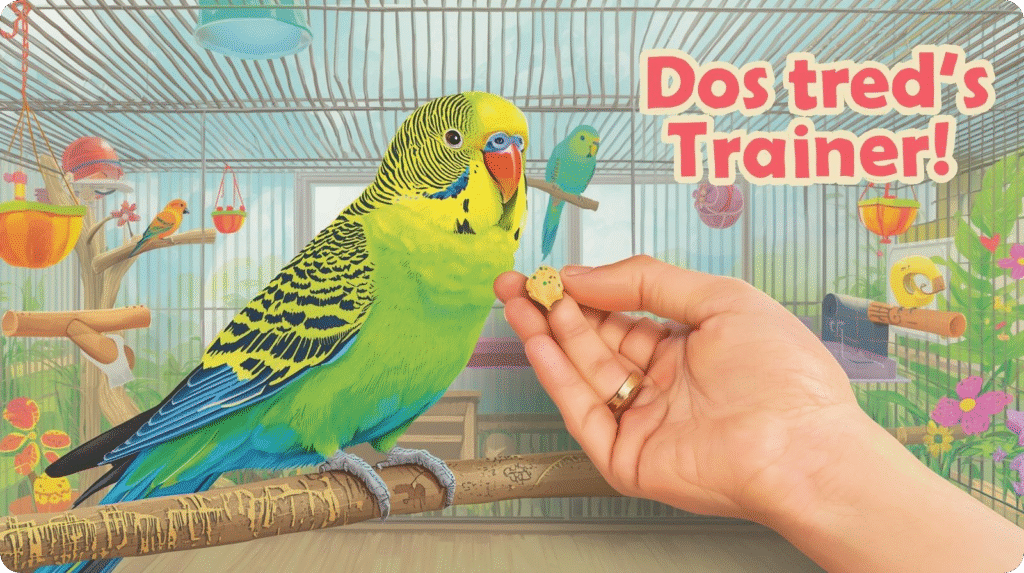
Well-trained roost are safer, happier, and more enjoyable companions.
Building Trust with New Aviary
Establishing bonds requires patience and consistency:
Week 1-2 (Adjustment Period):
- Minimize handling stress for new bird cage
- Speak softly when near cage
- Offer treats through cage bars
- Move slowly around aviary
- Respect their space and body language
Week 3-4 (Beginning Interaction):
- Begin hand-training with favorite treats
- Practice step-up command gently
- Extend out-of-cage time gradually
- Maintain consistent daily routines for aviary
Month 2+ (Deepening Bond):
- Increase training complexity
- Introduce new experiences slowly
- Respect boundaries and preferences
- Continue positive reinforcement for house birds
Essential Commands for birds cage
Step-Up Command (Foundation Skill):
- Present finger/hand at chest level
- Say “step up” clearly and consistently
- Reward immediately when bird cage comply
- Practice 5-10 times daily
- Essential for safe handling of aviary
Target Training:
- Use stick or target pointer
- Reward when aviary touch target
- Gradually increase distance
- Foundation for complex tricks
Recall Training (Flighted House Birds):
- Start in small, enclosed spaces
- Call bird’s name plus “come”
- Reward enthusiastically for compliance
- Practice before meals (increases motivation)
- Critical safety skill for free-flying roost
Trick Training for bird cage
Mental stimulation through trick training:
Beginner Tricks:
- Wave or nod (targeting variations)
- Spin in circles
- Ring bells on command
- Climb ladders
Intermediate Tricks:
- Retrieve small objects
- Play basketball (miniature hoop)
- Ride toy vehicles
- Stack colored rings
Advanced Tricks:
- Solve puzzle boxes
- Differentiate colors or shapes
- Complex obstacle courses
- Mimicry and speech (for verbal bird cage)
Socialization Strategies for House Birds
Well-socialized aviary adapt better to change:
Human Socialization:
- Introduce new people gradually to aviary
- Have visitors offer favorite treats
- Practice handling by different family members
- Avoid forcing interactions
Environmental Socialization:
- Expose to various household sounds
- Practice car rides in secure carriers
- Visit bird-friendly locations
- Attend bird training classes if available
Multi-Bird Households:
- Introduce new roost slowly through adjacent cages
- Supervise all interactions initially
- Respect individual personalities and bonds
- Some aviary prefer solitary relationships with humans
Initial Setup Cost Comparison for House Birds
| Item | Budgie/Finch | Cockatiel | Conure | Large Parrot |
|---|---|---|---|---|
| Bird Purchase | $15-$50 | $80-$150 | $200-$600 | $500-$3,000 |
| Cage | $50-$100 | $100-$200 | $150-$300 | $300-$800 |
| Perches & Toys | $30-$50 | $40-$70 | $50-$100 | $100-$200 |
| Food & Dishes | $20-$40 | $30-$50 | $40-$60 | $60-$100 |
| Initial Vet Visit | $50-$100 | $75-$125 | $100-$150 | $150-$250 |
| Accessories | $30-$50 | $40-$60 | $50-$80 | $80-$150 |
| Total Initial Cost | $195-$390 | $365-$655 | $590-$1,290 | $1,190-$4,500 |
Addressing Common Behavioral Challenges in House Birds
Even the best roost exhibit problematic behaviors occasionally.
Excessive Screaming in House Birds
Natural vs. Problem Vocalizations: All aviary vocalize—it’s natural communication. Problems arise when screaming becomes:
- Constant throughout the day
- Attention-seeking behavior
- Ear-piercingly loud and disruptive
Causes of Excessive Screaming:
- Insufficient mental stimulation for roost
- Lack of adequate attention and interaction
- Fear, stress, or environmental triggers
- Hormonal behaviors during breeding season
- Learned behavior (screaming successfully gains attention)
Solutions for Screaming House Birds:
- Establish predictable daily routines
- Ignore attention-seeking screams (never reward)
- Immediately reward quiet, calm behavior
- Increase foraging and enrichment activities
- Ensure 12-14 hours of darkness for sleep
- Cover cage briefly during excessive outbursts
- Never yell or react dramatically (reinforces behavior)
- Consult avian behaviorist for severe cases
Biting Problems in House Birds
Why House Birds Bite:
- Fear or feeling threatened
- Territorial aggression (especially during breeding season)
- Hormonal aggression in mature roost
- Over-stimulation from excessive petting
- Warning signals ignored by owners
- Successfully removes unwanted attention (learned behavior)
Bite Prevention Strategies:
- Learn species-specific body language
- Respect “no” signals from aviary
- Avoid forcing interactions or handling
- Never pet body (only head and neck)
- Use stick training for aggressive aviary
- Provide adequate sleep (12-14 hours)
- Maintain predictable routines
- Address hormonal triggers (lighting, nesting materials)
Responding to Bites:
- Stay calm (don’t react dramatically)
- Place aviary on nearby surface (not cage)
- Turn away briefly (removes attention)
- Never punish or hit aviary
- Analyze what triggered the bite
- Adjust approach accordingly
Feather Plucking in House Birds
Serious self-destructive behavior requiring intervention:
Medical Causes:
- Skin infections or external parasites
- Allergies (food, environmental)
- Nutritional deficiencies in aviary
- Hormonal imbalances
- Internal diseases or pain
Behavioral Causes:
- Chronic stress or anxiety
- Insufficient mental stimulation
- Poor socialization or loneliness
- Environmental
Frequently Asked Questions About House Birds
What do house birds eat?
Most bird cage thrive on a diet consisting of 60-70% high-quality pellets, 20-30% fresh vegetables and fruits, and 10% seeds as treats. Specific dietary needs vary by species. Budgies and cockatiels eat primarily pellets with fresh produce, while canaries prefer seed-based diets supplemented with greens. Never feed aviary avocado, chocolate, caffeine, salt, or alcohol, as these are toxic.
How much does it cost to keep house birds?
The initial costs for bird cage include the bird, which can cost between $20 and $200 or more. The cage costs between $50 and $300. Toys and accessories range from $50 to $100. Initial supplies will cost about $30 to $50.
Monthly ongoing costs range from $20-$50 for food, treats, and toy replacements. Annual veterinary checkups cost $50-$150.
Budget for unexpected medical expenses and remember that larger bird cage cost significantly more to maintain than smaller species.
Do house birds need veterinary care?
Yes, aaviary require regular veterinary care from avian specialists. Annual wellness exams help detect health issues early, as roost naturally hide illness symptoms. Find an avian veterinarian before emergencies arise. Regular vet visits for roost typically cost $50-$150 annually, while emergency care can be significantly more expensive.
Can house birds be potty trained?
Some bird cage can learn basic potty training, though it’s never 100% reliable. Larger, more intelligent bird cage like parrots and cockatiels are most trainable. Watch for pre-elimination behaviors (squatting, tail lifting) and place your bird over a designated spot. With consistency, some aviary learn to eliminate on command or in specific locations, though accidents will still occur.
What size cage do house birds need?
Cage size depends on your bird cage’ species. Minimum cage sizes are as follows:
– Finches: 18 x 18 x 18 inches
– Budgies: 18 x 18 x 24 inches
– Cockatiels: 24 x 24 x 24 inches
– Larger parrots: 36 x 24 x 36 inches or larger. The general rule for aviary is to buy the largest cage you can afford and accommodate. Horizontal space is more important than height for most bird cage.
Conclusion
Bird cage bring joy, companionship, and vibrant energy to homes worldwide. To help your aviary live long and happy lives, understand their needs. Provide them with good food.
Keep their living spaces clean. Give them chances to interact with others. You can choose cheerful budgies, singing canaries, loving cockatiels, or colorful finches. Your pet birds will give you years of fun and friendship.
Remember that each bird is an individual with unique personality traits and preferences. Approach roost ownership with patience, commitment, and genuine love for these remarkable creatures. The bond you create with your roost is unique. It is a special connection that improves both your life and theirs.
With proper care and attention, your bird cage will thrive as loved family members. They will fill your home with songs, colors, and joyful moments for many years.
Leave a Reply