

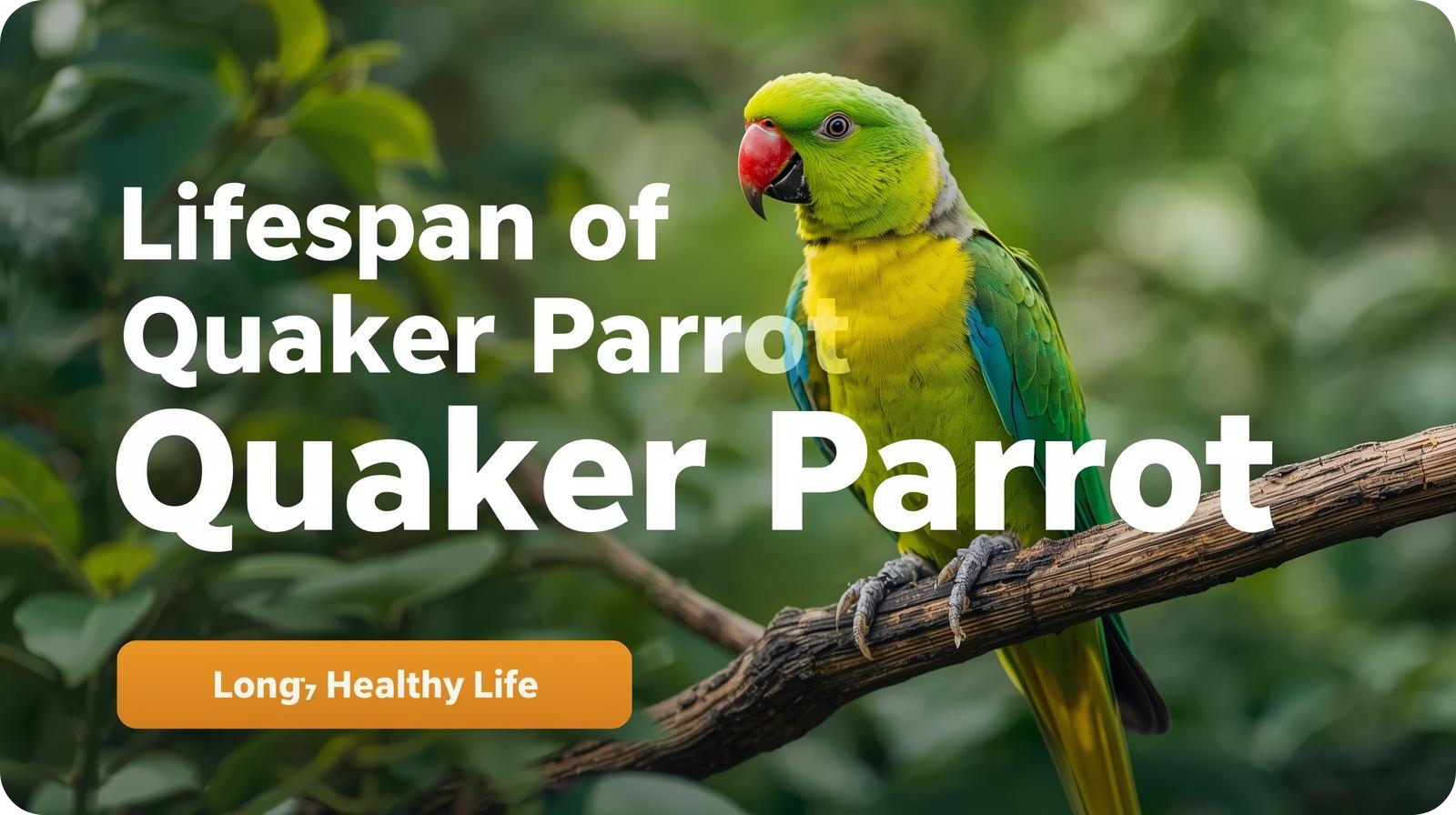
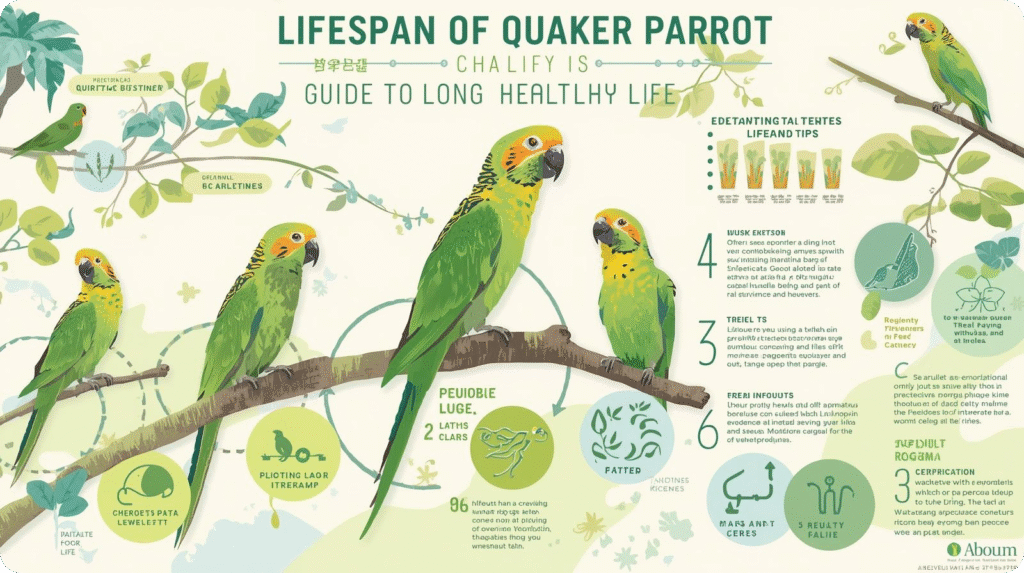
When thinking about adding a lifespan of Quaker parrot to your family, it is important to know their lifespan. This knowledge helps you make a smart decision.
People know these charming and smart birds for their playful nature. They can mimic speech very well. However, they need careful care for their whole lives.
Quaker parrots can live 20 to 30 years in captivity with good care. This makes them a long-term pet. You should think carefully before adopting one.
In this guide, we will cover how to help your lifespan of Quaker parrot live longer. We will discuss nutrition, housing, healthcare, and mental stimulation. Whether you want to own a bird or already have one, this article will help you. It offers tips to make sure your bird lives a long, healthy, and happy life.
Understanding the Average Lifespan of Quaker Parrot
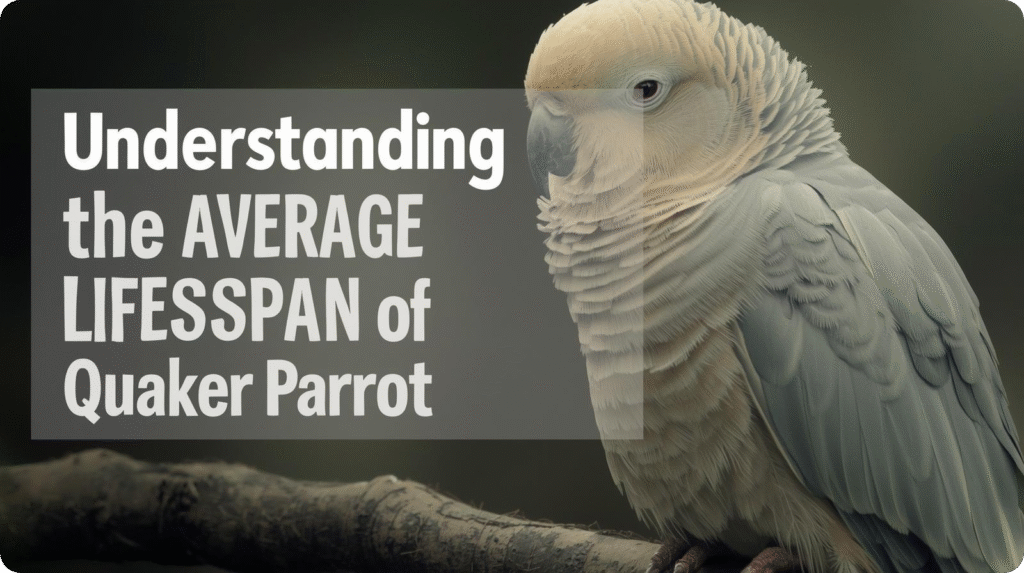
Lifespan of Quaker parrots, also known as Monk parakeets (Myiopsitta monachus), are small to medium-sized parrots native to South America. In their natural habitat, these birds typically live 15 to 20 years, facing predators, disease, and environmental challenges. However, in captivity with optimal care, the lifespan of Quaker parrot extends significantly.
Life Expectancy in Captivity
With proper nutrition, veterinary care, and environmental enrichment, captive lifespan of Quaker parrots commonly live between 20 and 30 years. Some exceptional cases have documented lifespasn of Quaker parrots living into their mid-30s, though this is less common.
The main difference between wild and captive lifespans is the controlled environment. Captive animals have a steady food supply. They also get protection from predators and access to medical care.
Factors That Influence Longevity
Several critical factors determine whether your lifespan of Quaker parrot reaches the upper end of their potential lifespan:
- Genetics and breeding: Birds from healthy breeding lines with no genetic disorders tend to live longer
- Diet quality: Proper nutrition is perhaps the single most important factor
- Environmental conditions: Safe, stress-free housing with appropriate temperature and humidity
- Mental stimulation: Preventing boredom and depression through enrichment
- Veterinary care: Regular checkups and prompt treatment of illnesses
- Exercise opportunities: Daily flight and physical activity
- Social interaction: Adequate bonding time with human caregivers or bird companions
Nutrition: The Foundation of a Long Life
The diet you provide has a profound impact on the lifespan of Quaker parrot. Many health problems in captive parrots stem directly from nutritional deficiencies or imbalances. Understanding what these birds need to thrive is essential for any owner.
Creating a Balanced Diet
Quaker parrots are omnivores in the wild, consuming seeds, fruits, vegetables, nuts, and occasionally insects. In captivity, replicating this diversity is crucial:
High-Quality Pellets (60-70% of diet): Formulated pellets should form the base of your Quaker’s diet. These provide balanced nutrition with essential vitamins and minerals. Choose organic, dye-free options when possible.
Fresh Vegetables (20-25% of diet): Offer a variety of dark leafy greens like kale, spinach, and collard greens. Include vegetables such as carrots, broccoli, bell peppers, squash, and sweet potatoes. Rotate selections to provide nutritional variety.
Fresh fruits (5-10% of diet): Quakers enjoy fruits, but they should limit them due to high sugar content. Good options include berries, apples, pears, mangoes, and papaya. Remove seeds from fruits as some can be toxic.
Seeds and Nuts (5-10% of diet): Contrary to popular belief, seeds should not be the primary diet component. Use them as treats or training rewards. Offer small amounts of sunflower seeds, safflower seeds, and nuts like almonds or walnuts.
Foods to Avoid
Certain foods are toxic or harmful to lifespan of Quaker parrots and can significantly shorten their lifespan:
- Avocado (highly toxic)
- Chocolate and caffeine
- Alcohol
- Salt and high-sodium foods
- Processed human foods
- Fruit seeds and pits (apple seeds, cherry pits)
- Onions and garlic
- Raw beans
Hydration and Fresh Water
Always provide clean, fresh water daily. Change water at least once per day, more frequently if it becomes contaminated with food or droppings. Some owners use water bottles, though bowls allow for more natural drinking behavior.
Housing and Environmental Requirements
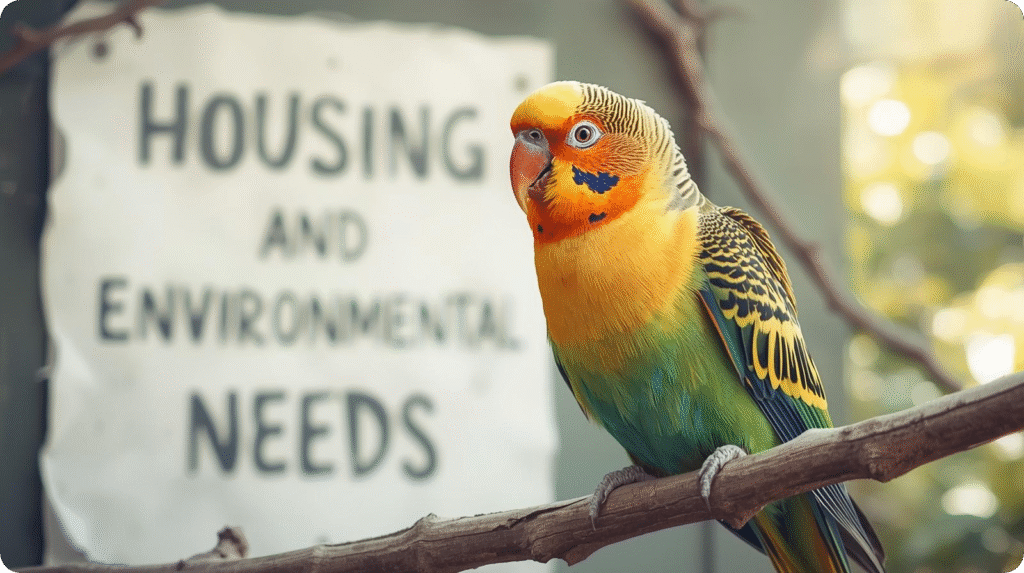
Creating the right living space helps lifespan of Quaker parrots live longer. It reduces stress, prevents injuries, and encourages natural behaviors.
Cage Size and Design
Lifespan of Quaker parrots are active birds that need adequate space. The minimum cage size for one bird should be 24 inches wide, 24 inches deep, and 30 inches high. However, bigger cages are always better. The cage should:
- Have horizontal bars for climbing (bar spacing of 1/2 to 5/8 inch)
- Include multiple perches of varying diameters and materials
- Provide food and water bowls positioned away from perches to prevent contamination
- Offer toy attachment points throughout
- Have a removable tray for easy cleaning
Cage Placement
Place the cage in a busy part of your home. This way, the bird can watch family activities. However, avoid:
- Direct sunlight that could overheat the cage
- Drafty areas near windows or air vents
- The kitchen, where cooking fumes can be deadly
- High-traffic areas that cause constant stress
Temperature and Humidity
Lifespan of Quaker parrots tolerate a range of temperatures but thrive in environments between 65-80°F (18-27°C). They also appreciate moderate humidity levels around 40-60%. Avoid sudden temperature changes and ensure proper ventilation without drafts.
Lighting and Sleep Schedule
Proper lighting cycles are essential for health. Lifespan of Quaker parrots need 10-12 hours of uninterrupted sleep in a dark, quiet environment. Disrupted sleep patterns can lead to behavioral problems and compromised immune systems. Consider covering the cage at night or moving it to a quieter room.
Exercise and Mental Stimulation
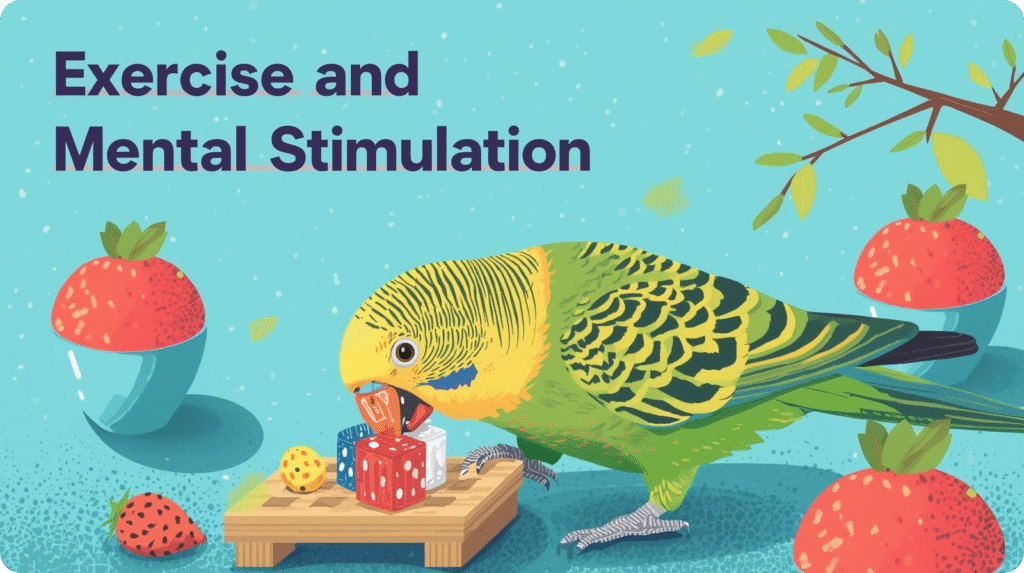
Physical activity and mental engagement are important for lifespan of Quaker parrots. They help these birds live longer and have a better quality of life.
Daily Out-of-Cage Time
Lifespan of Quaker parrots should spend at least 3-4 hours outside their cage daily for supervised exercise and interaction. Create a bird-safe room by:
- Closing windows and doors
- Covering mirrors and large windows
- Removing toxic plants
- Securing ceiling fans and turning them off
- Removing other pets from the area
Enrichment Activities
Mental stimulation prevents boredom-related behaviors like feather plucking and self-mutilation:
Foraging Opportunities: Hide treats in toys or wrapped in paper to encourage natural foraging behavior. This mental exercise keeps birds engaged for hours.
Toy Rotation: Provide 4-6 toys at a time and rotate them weekly to maintain novelty. Include various types such as shredding toys, puzzle toys, chewing toys, and noise-making toys.
Training Sessions: Teach tricks, words, or behaviors using positive reinforcement. Training strengthens your bond and provides mental challenges.
Social Interaction: Quakers are highly social birds that need daily interaction with their human family. Talk to your bird, include them in activities, and maintain consistent routines.
Healthcare and Disease Prevention
Regular veterinary care is non-negotiable for maximizing the lifespan of Quaker parrot. Many avian diseases are preventable or manageable with early detection.
Finding an Avian Veterinarian
Not all veterinarians specialize in birds. Locate a certified avian veterinarian before emergencies arise. The Association of Avian Veterinarians maintains a directory of qualified practitioners.
Annual Wellness Exams
Schedule yearly checkups that should include:
- Physical examination
- Weight monitoring
- Beak and nail trimming if needed
- Discussion of diet and behavior
- Fecal testing for parasites
- Blood work (every 2-3 years or as recommended)
Common Health Issues
Being aware of common lifespan of Quaker parrot health problems helps with early detection:
Fatty Liver Disease: Often caused by high-fat diets, particularly seed-heavy diets. Symptoms include difficulty breathing, lethargy, and enlarged abdomen.
Feather Plucking: Can indicate medical issues, allergies, or behavioral problems from stress or boredom.
Psittacosis (Parrot Fever): A bacterial infection that can affect birds and humans. Symptoms include lethargy, discharge from eyes or nostrils, and difficulty breathing.
Aspergillosis: A fungal infection often from moldy food or bedding. Causes respiratory distress.
Beak and Feather Disease: A viral condition affecting feather growth and beak development.
Signs of Illness
Birds instinctively hide illness, so watch for subtle changes:
- Changes in droppings (color, consistency, frequency)
- Decreased appetite or water consumption
- Fluffed feathers or sleeping more than usual
- Discharge from eyes, nostrils, or beak
- Changes in vocalization patterns
- Weight loss
- Tail bobbing or labored breathing
- Changes in activity level
Contact your avian veterinarian immediately if you notice any concerning symptoms.
Grooming and Hygiene
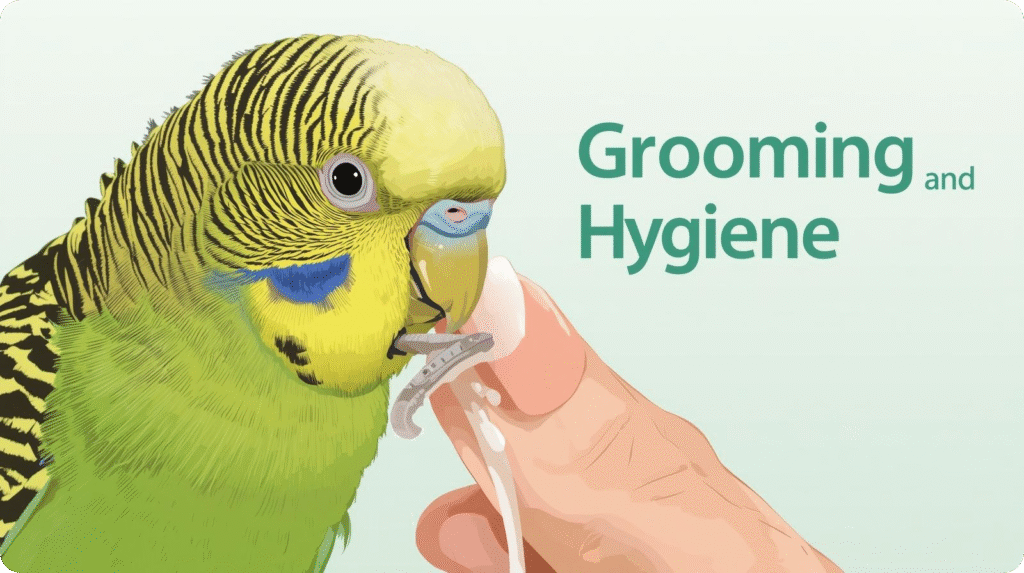
Proper grooming contributes to the overall health and lifespan of Quaker parrot by preventing injuries and infections.
Nail Care
Overgrown nails can catch on toys or fabrics, leading to injuries. Provide natural wood perches of varying diameters to naturally wear down nails. Most Quakers need nail trims every 2-3 months.
Beak Maintenance
Healthy beaks naturally wear down through chewing and foraging. Provide cuttlebones, mineral blocks, and wooden toys for chewing. Only trimming if overgrowth occurs, which might indicate nutritional deficiencies.
Bathing
Lifespan of Quaker parrots enjoy bathing and it promotes healthy feather condition. Offer bathing opportunities 2-3 times weekly through:
- Shallow dish of water
- Spray bottle misting
- Sink or shower perch (lukewarm water only)
Never use soap or shampoos unless specifically prescribed by an avian veterinarian.
Cage Cleaning
Maintain a clean environment to prevent bacterial and fungal growth:
- Daily: Remove droppings, uneaten fresh food, and change water
- Weekly: Wash food and water bowls, clean perches and toys
- Monthly: Thoroughly clean and disinfect the entire cage
Social Needs and Bonding
Lifespan of Quaker parrots are exceptionally social creatures, and meeting their emotional needs significantly impacts their wellbeing and longevity.
Understanding Quaker Personality
These birds are known for being:
- Highly intelligent and capable of learning extensive vocabularies
- Strongly bonded to their chosen person or family
- Territorial and protective of their cage
- Playful and entertaining
- Prone to jealousy if not properly socialized
Single Bird vs. Pairs
While Quaker parrots can thrive as solo pets with adequate human interaction, some owners choose to keep pairs. Consider:
Single Bird Benefits: Stronger bond with humans, easier training, less noise
Pair Benefits: Constant companionship, natural social behaviors, less dependent on human interaction
Pair Challenges: May bond more strongly with each other than humans, potential breeding behaviors, doubled costs
Preventing Behavioral Problems
Behavioral issues can lower the quality of life for Quaker parrots. They can also shorten their lifespan. This happens through stress and harmful behaviors.
- Maintain consistent daily routines
- Avoid excessive coddling that creates over-dependence
- Socialize with multiple family members to prevent one-person bonding
- Redirect biting behavior through positive reinforcement training
- Provide adequate sleep and respect hormonal periods
- Never punish or yell at your bird
Life Stages and Aging
Understanding the different life stages helps you provide age-appropriate care throughout your Quaker parrot’s life.
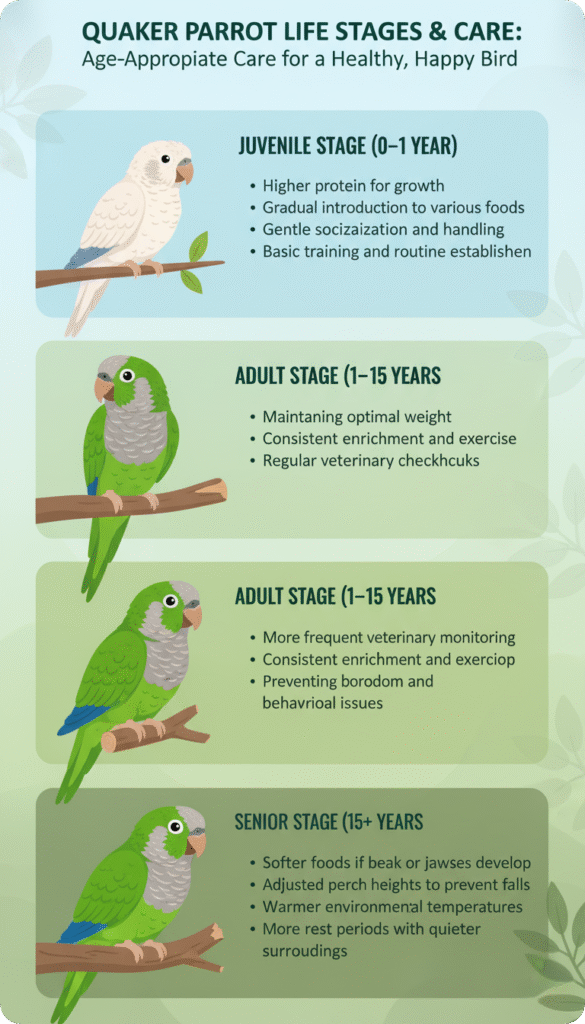
Juvenile Stage (0-1 year)
Young Quakers require:
- Higher protein for growth
- Gradual introduction to various foods
- Gentle socialization and handling
- Basic training and routine establishment
Adult Stage (1-15 years)
During prime years, focus on:
- Maintaining optimal weight
- Consistent enrichment and exercise
- Regular veterinary checkups
- Preventing boredom and behavioral issues
Senior Stage (15+ years)
Older Quaker parrots may need:
- More frequent veterinary monitoring
- Softer foods if beak or jaw issues develop
- Adjusted perch heights to prevent falls
- Warmer environmental temperatures
- More rest periods with quieter surroundings
Creating a Safe Home Environment
Beyond the cage, your entire home presents potential hazards that could shorten the lifespan of Quaker parrot.
Household Dangers
Eliminate or secure these common threats:
**Toxic Fumes**
Do not use non-stick cookware, like Teflon, around birds.
Avoid aerosol sprays and scented candles.
Do not use air fresheners or self-cleaning ovens near them. These can cause sudden death.
Toxic Plants: Remove access to philodendron, dieffenbachia, ivy, oleander, and other toxic plants.
Open Water: Cover toilet bowls, fish tanks, and other water sources where birds could drown.
Ceiling Fans: Always turn off the fans and verify that they have stopped before allowing flight time.
Windows and Mirrors: Use decals or curtains to prevent collision injuries.
Other Pets: Never leave Quakers unsupervised with cats, dogs, or other animals.
Electrical Cords: Cover or hide cords that curious beaks might chew.
The Commitment of Ownership
Before bringing a Quaker parrot into your home, carefully consider the long-term commitment. With a potential lifespan of Quaker parrot reaching 30 years, you’re committing to potentially three decades of daily care.
Financial Considerations
Annual costs for proper care include:
- High-quality food and treats: $300-500
- Toys and enrichment items: $200-400
- Veterinary care: $200-500 (or more if health issues arise)
- Cage and accessory replacements: $100-300
Emergency veterinary care can cost thousands of dollars. Consider pet insurance or maintaining an emergency fund.
Time Requirements
Daily time commitments include:
- 3-4 hours of supervised out-of-cage time
- 30-60 minutes of direct interaction and training
- 15-30 minutes for cage cleaning and food preparation
- Continuous household supervision when bird is out
Lifestyle Compatibility
Consider whether a Quaker parrot fits your lifestyle:
- Are you home enough to provide daily interaction?
- Can you tolerate noise (Quakers can be loud)?
- Are you prepared for messiness around the cage area?
- Will you be able to maintain this commitment for decades?
- Do you have backup caregivers for vacations or emergencies?
Frequently Asked Questions About Quaker Parrot Lifespan
How long do Quaker parrots live as pets?
Quaker parrots typically live between 20 to 30 years in captivity with proper care. Some individuals who receive good care have reached their mid-30s. Their lifespan in captivity is much longer than in the wild. This is because they get regular food, are safe from predators, and have access to veterinary care.
What is the oldest recorded Quaker parrot?
While exact records vary, researchers have documented some Quaker parrots living into their mid to late 30s. The oldest verified cases have reached approximately 35 years of age. However, these are exceptional cases that required outstanding care throughout the bird’s entire life.
Do male or female Quaker parrots live longer?
No significant evidence exists that one sex lives notably longer than the other. Both male and female Quaker parrots have similar lifespans when provided with equivalent care. Factors like diet, environment, and healthcare have much more impact on longevity than biological sex.
Can poor diet shorten a Quaker parrot’s lifespan?
Yes, absolutely. Poor nutrition is one of the leading causes of premature death in captive Quaker parrots. All-seed diets are particularly problematic, leading to obesity, fatty liver disease, and vitamin deficiencies.
A balanced diet is important for a long life. It should include good pellets, fresh vegetables, and only a few fruits and seeds.
At what age is a Quaker parrot considered senior?
People usually see Quaker parrots as seniors at about 15 years old. However, many stay active and healthy into their 20s. Senior birds may require adjusted care including more frequent veterinary checkups, dietary modifications, and environmental accommodations like lower perches.
How can I tell if my Quaker parrot is aging?
Signs of aging in Quaker parrots include less activity, graying feathers, and changes in sleep. They may also vocalize less, gain or lose weight, and sometimes have arthritis that affects their movement. Regular veterinary checkups help monitor age-related changes and address them proactively.
Do Quaker parrots in the wild live as long as pet Quakers?
No, wild Quaker parrots typically live 15 to 20 years, which is shorter than their captive counterparts. Wild birds face numerous challenges including predators, food scarcity, harsh weather, disease without treatment, and competition for resources. The controlled environment of captivity allows for longer lifespans.
Will my Quaker parrot outlive me?
This depends on your age when you acquire the bird. If you adopt a young Quaker parrot in your 50s or older, there’s a reasonable chance the bird could outlive you. Having a plan for your bird’s care is important. Include this in your will or ask trusted family members or bird rescues for help.
What health problems affect Quaker parrot lifespan the most?
The most serious health problems are:
– Fatty liver disease caused by a poor diet.
– Psittacosis, which is a bacterial infection.
– Aspergillosis, a fungal infection from moldy food or environments. Other risks are exposure to toxic fumes like Teflon, accidents during out-of-cage time, and untreated long-term health problems. Regular veterinary care and preventive measures significantly reduce these risks.
How much does it cost to care for a Quaker parrot for its entire life?
Over a 25-year lifespan, expect to spend between $20,000 to $35,000 on proper care. This includes yearly food costs of $300 to $500.
It also covers toys and supplies costing $200 to $400. Routine veterinary care costs between $200 and $500. The cage and equipment can cost $1,000 to $2,000 at first, plus replacements.
Emergency medical care can vary but may cost thousands. The initial purchase or adoption fee is relatively small compared to lifetime care costs.
Can I increase my Quaker parrot’s lifespan beyond 30 years?
Genetics matter, but you can help your bird live longer. Provide good nutrition with pellet-based diets.
Keep a clean and safe environment. Make sure your bird gets 10-12 hours of quality sleep each night.
Give daily exercise and mental stimulation. Schedule regular vet check-ups. Remove household toxins.
Build strong social bonds with your bird. These practices give your Quaker the best chance of reaching or even exceeding 30 years.
Do Quaker parrots get lonely, and does this affect their lifespan?
Yes, Quaker parrots are highly social birds that can become depressed and develop health problems from loneliness. Chronic stress and depression can weaken their immune system and lead to self-destructive behaviors like feather plucking. Providing adequate daily interaction—at least 3-4 hours—is essential for both mental health and physical longevity.
Conclusion
The lifespan of Quaker parrot reaching 20-30 years in captivity represents both a wonderful opportunity for long-term companionship and a serious responsibility. These intelligent, charismatic birds require dedicated care, proper nutrition, regular veterinary attention, and substantial daily interaction to thrive throughout their lives.
To help your Quaker parrot live longer and healthier, give them high-quality pellet diets. Add fresh vegetables and fruits to their meals
Make sure their housing has enough space and enrichment. Provide regular exercise and mental stimulation. Build a good relationship with an avian veterinarian.
Remember that every bird is an individual with unique needs and personality traits. Pay attention to your parrot’s preferences, monitor their health closely, and adjust care as needed throughout their life stages. The bond you create with your Quaker parrot can bring years of joy, laughter, and friendship. This makes the time, money, and effort you invest worthwhile if you truly love birds.
If you are ready for a long-term commitment, a Quaker parrot can be a cherished family member. You need to provide the care described in this guide. With proper care, your parrot can be with you for many years.
Leave a Reply